What If Your Adjustments Actually Held?
Dr. McMakin is a chiropractor who spent decades discovering why patients keep coming back. FSM uses specific frequencies to address the disc, the nerve, and the inflammation before the adjustment — so when you adjust, practitioners report it holds. And patients refer.
FSM Practice Growth Guide for Chiropractors
How chiropractors are growing their practices with FSM — including Naomi Kelly's documented practice growth numbers.
Get the Free Guide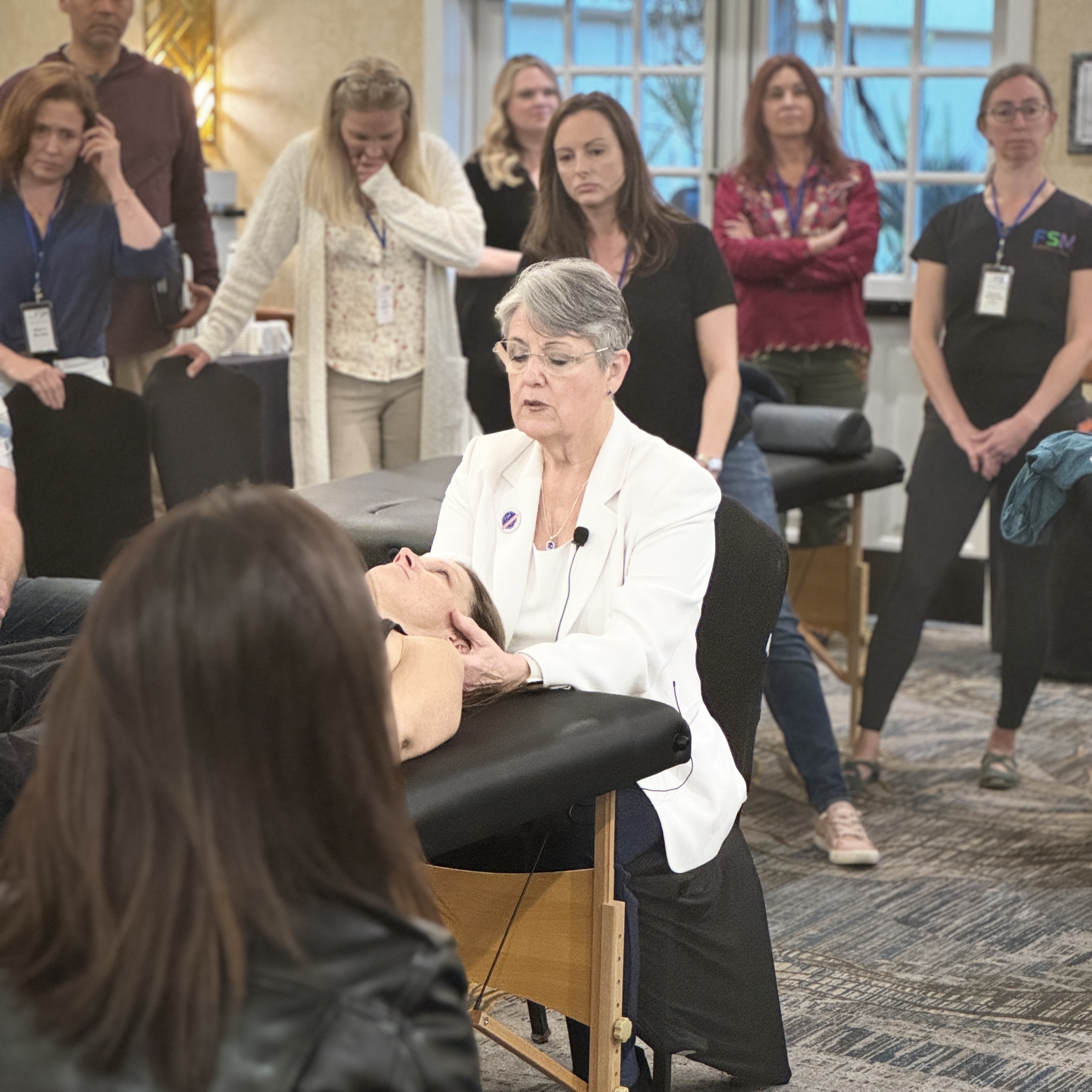
You Can Feel It.
You Just Can't Fix It.
Your hands tell you something's wrong. But manual therapy alone can't always reach the disc, the nerve adhesion, or the inflamed facet underneath the tight muscle.
Patients Who Keep Coming Back
They need adjusting every week, year after year. The adjustment doesn't hold because the underlying disc or ligament issue hasn't been addressed.
It's Almost Never the Muscle
You can feel the tight muscle, but the cause is the inflamed facet, the bulging disc, or the nerve adhesion beneath it. Manual therapy alone can't reach that.
Competing on Price Is Exhausting
Commodity chiropractic drives prices down. You need a way to differentiate your practice and deliver results that generate word-of-mouth referrals.
Results That Build a Practice
Every chronic pain patient knows six people just like them. When you address the underlying cause, patients refer — and your practice grows through word-of-mouth.
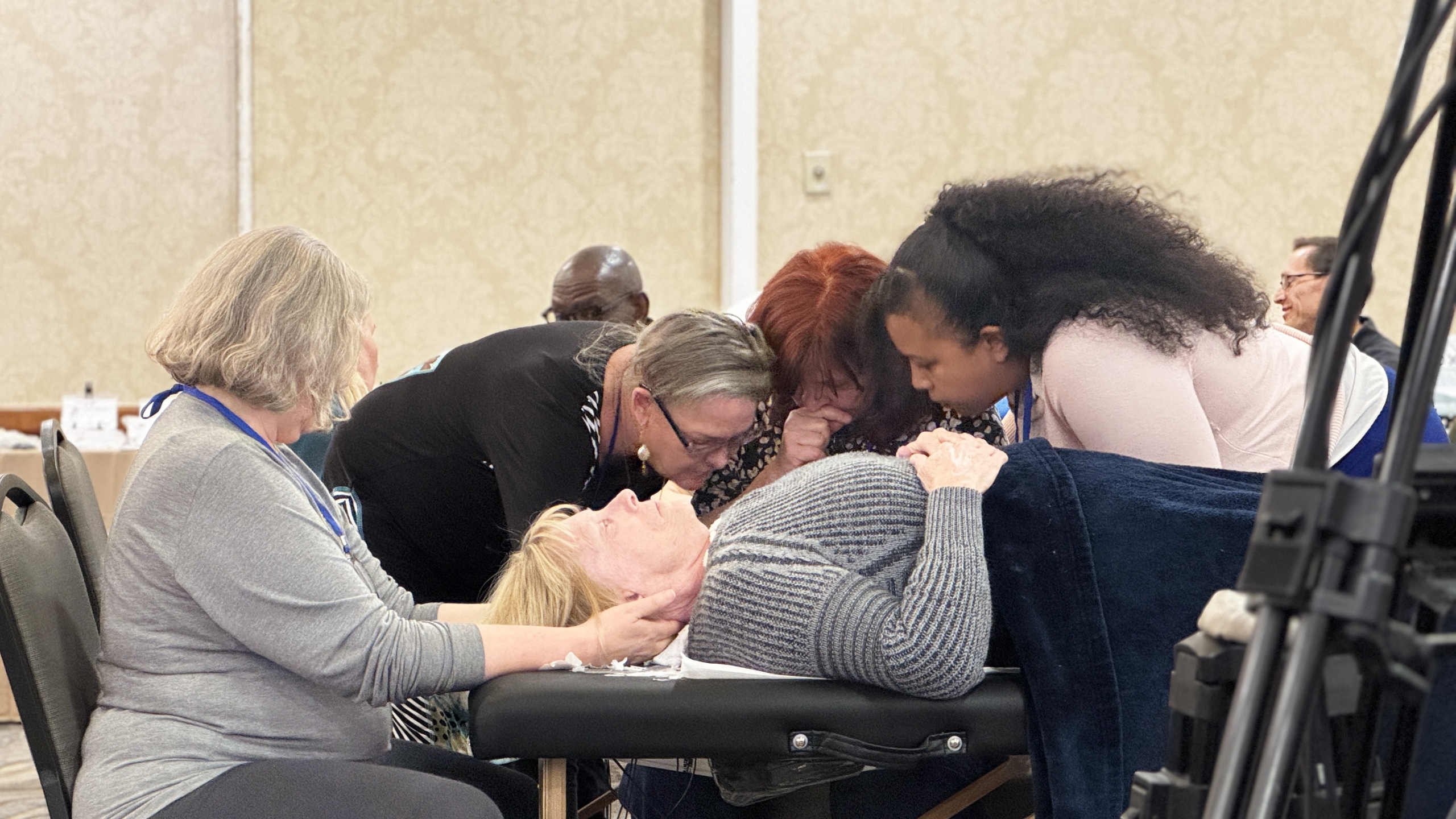
It's Not Just Microcurrent.
It's Frequency-Specific Precision.
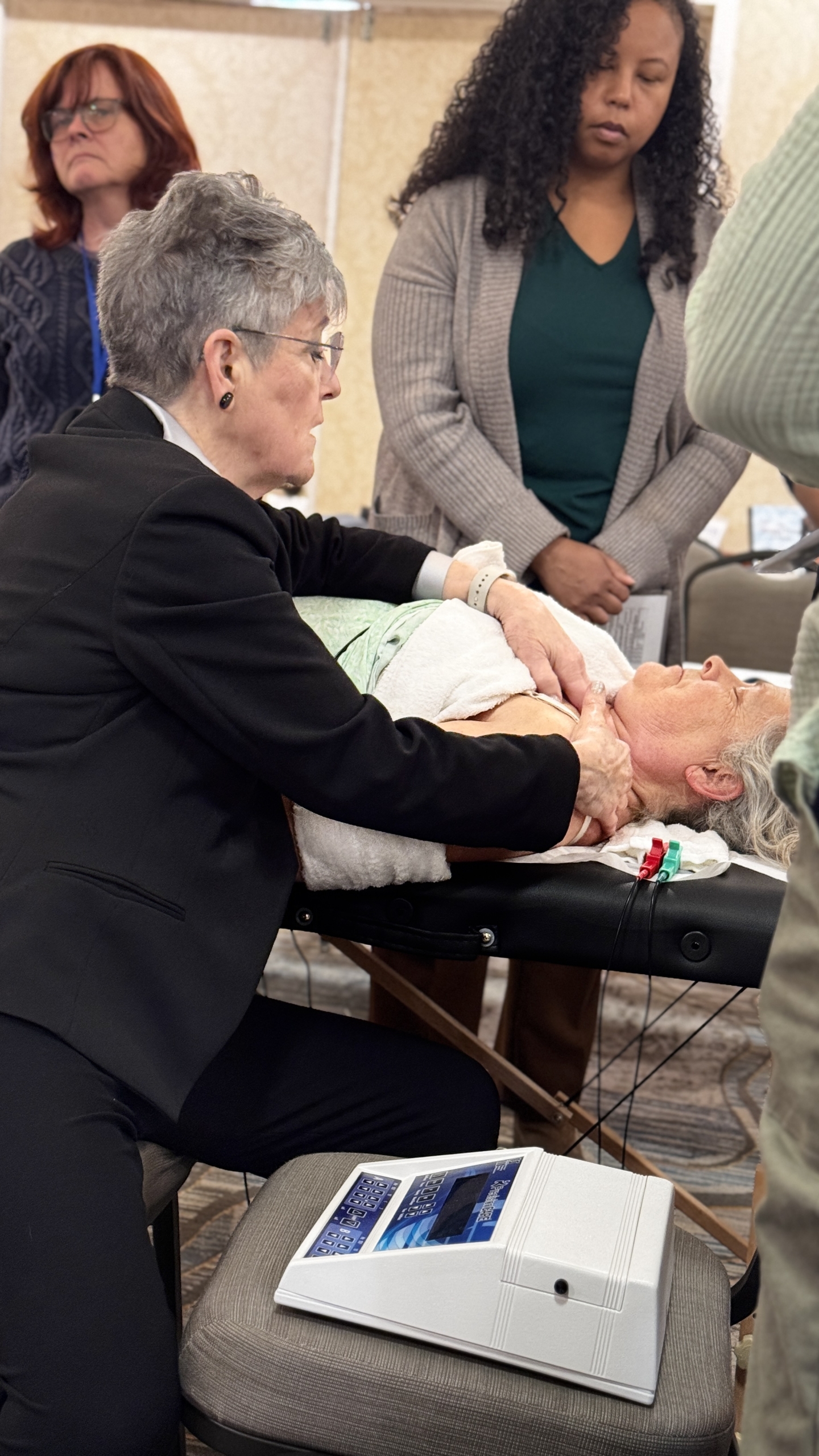
FSM isn't general e-stim. It uses specific frequency combinations on two channels that target exact tissues and conditions — the disc, the nerve, the facet, the ligament — with clinical precision.
Address the Disc Before the Adjustment
Specific frequency protocols target disc inflammation — practitioners report the adjustment requires less force and holds longer.
Release Nerve–Fascia Adhesions
Frequency protocols combined with movement are designed to separate the nerve from fascia — addressing the cause of motor inhibition and chronic tightness.
Target Facet Joint Inflammation
Tissue-specific frequencies are used for facet joint capsule, cartilage, and periosteum — practitioners observe the overlying muscles soften when the joint is addressed.
Protocols for Ligamentous Laxity
Specific frequencies target ligament repair — the course teaches how alar and upper cervical ligament stabilization can allow sub-occipital muscles to relax.
Identify Visceral Referral Patterns
When trigger points feel like "cat litter" and don't respond to manual therapy — the course teaches you to identify and address visceral causes you may be missing.
Cervical Trauma Fibromyalgia Protocols
Published research documented measurable changes in inflammatory markers in cervical trauma fibromyalgia patients using specific FSM protocols.
The Course Pays for Itself in Weeks —
Not Months
FSM replaces your marketing budget. Word-of-mouth growth from patients who get better. The referral math works.
| Revenue Scenario | Patients/Week | Per Treatment | Annual Revenue |
|---|---|---|---|
| Conservative Start | 3 patients | $75–$150 | $11,700–$23,400 |
| Moderate Growth | 6 patients | $75–$150 | $23,400–$46,800 |
| Established Practice | 10 patients | $100–$200 | $52,000–$104,000 |
| Part-Time (Naomi Kelly model) | Part-time hours | Documented | $100,000+/year |
"Every chronic pain patient knows six people just like them." — Dr. McMakin
Revenue examples are based on reported practitioner experiences. Individual results vary based on practice type, location, and patient volume.
Evidence That Speaks Your Language
Published, peer-reviewed research — not just testimonials. FSM has documented, measurable effects.
ATP Production Increased 500%
The Cheng study documented that microcurrent at physiologic levels increases cellular energy production by 500% — the mechanism behind the tissue changes practitioners observe.
Cytokine Changes in 90 Minutes
Published in the Journal of Bodywork and Movement Therapies: IL-1, IL-6, TNF-α, and Substance P reduced in cervical trauma fibromyalgia patients — documented in blood draws.
Terrell Owens: 18 Weeks to 6
Career-ending ankle injury to Super Bowl in six weeks. Documented with X-rays, timeline, and clinical records. Zero bruising, zero swelling post-surgery.
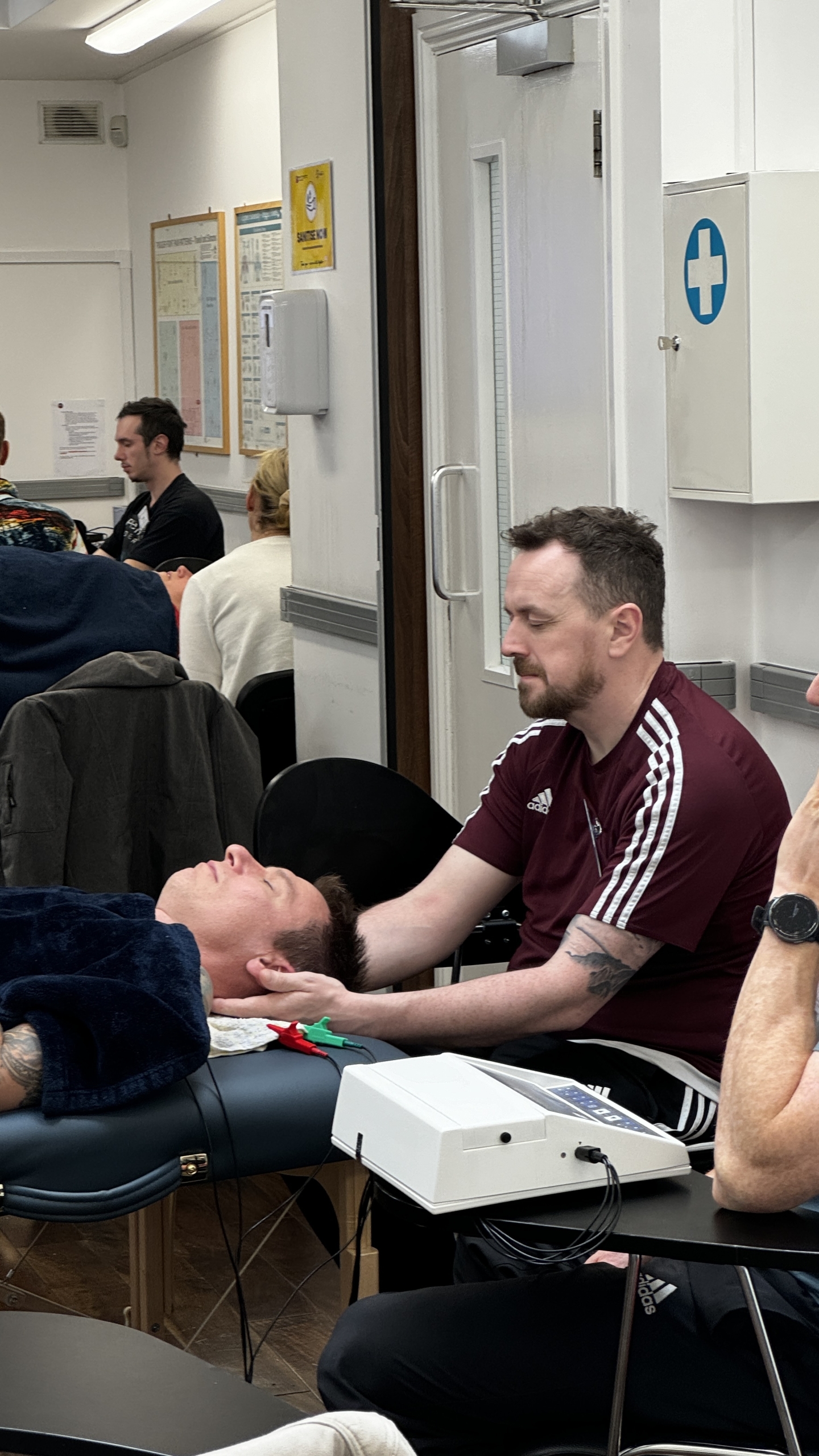
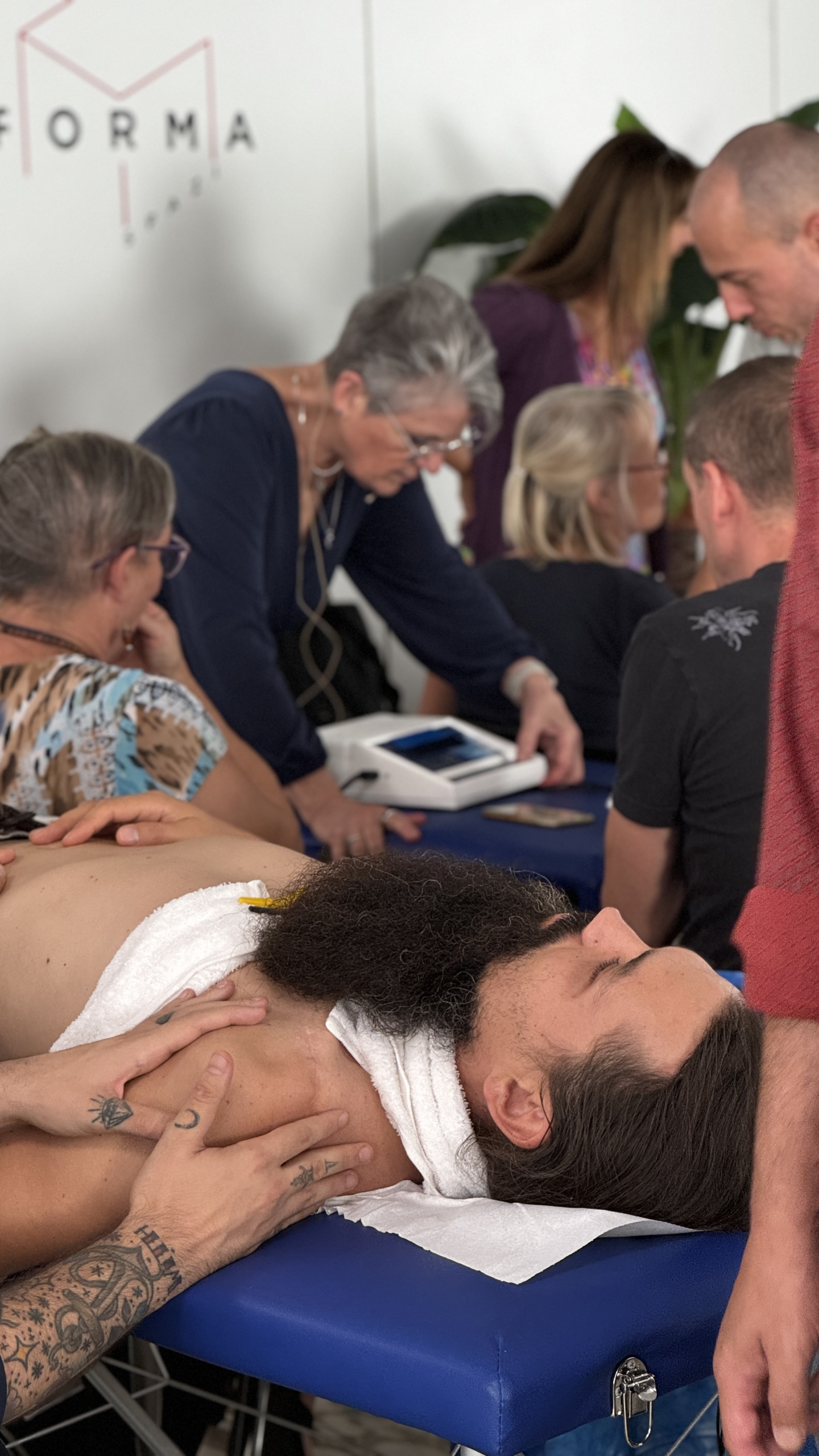
Built by a Chiropractor, for Chiropractors
Learn Hands-On From the Practitioner Who Developed FSM
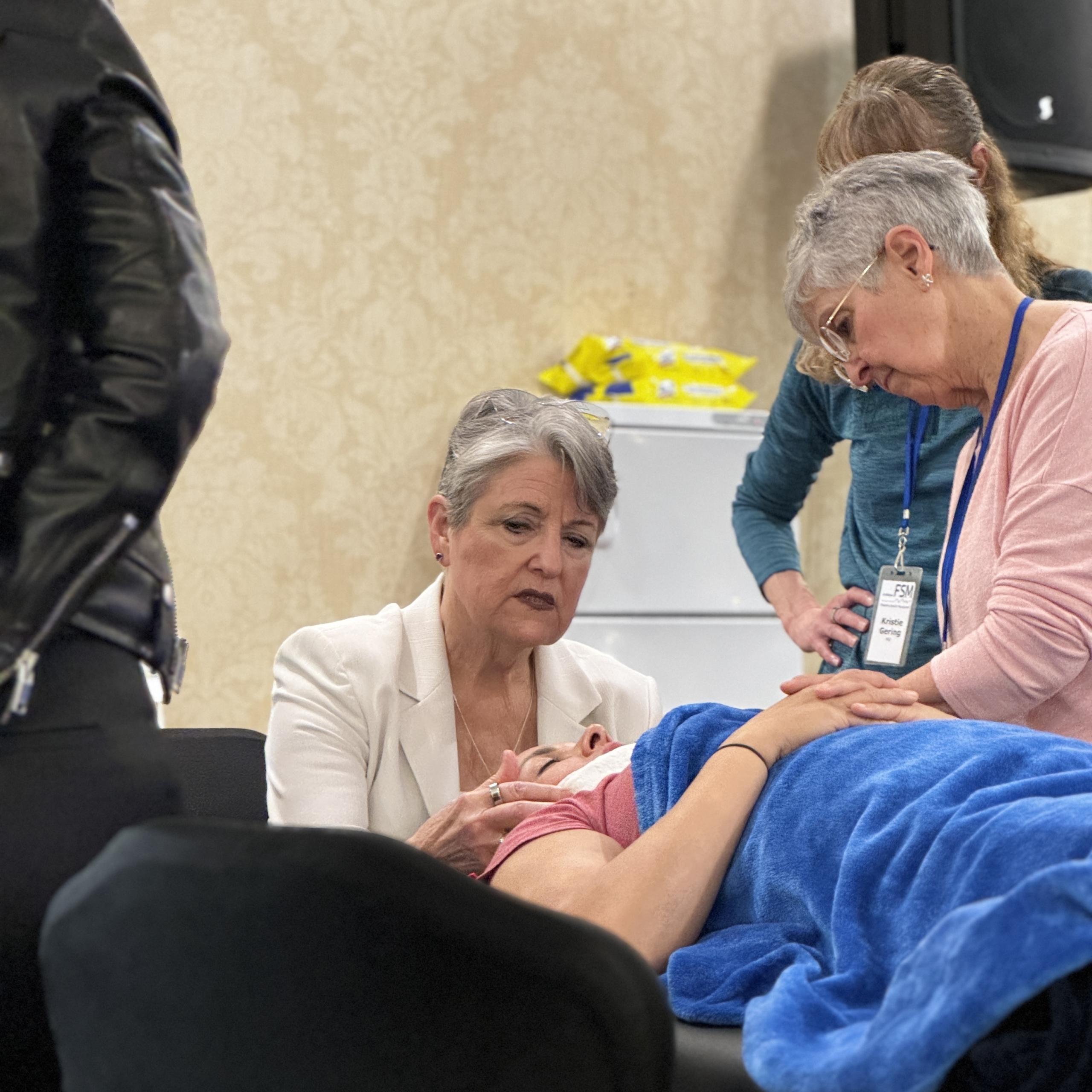
Dr. Carolyn McMakin is a chiropractor who has been teaching FSM since 1997. She speaks your language, understands your practice, and built FSM to solve the problems you face every day — patients whose adjustments don't hold because the underlying cause hasn't been addressed.
With over 27 years of clinical experience, she teaches practitioners to think differently about tissue, pain, and treatment — using specific frequencies as a precision tool that enhances everything you already do with your hands.
FSM TRAINING
Two Ways to Add FSM to Your Practice
Both paths give you the clinical protocols, hands-on skills, and practitioner community to start treating patients with FSM.
FSM 5-Day Core Seminar
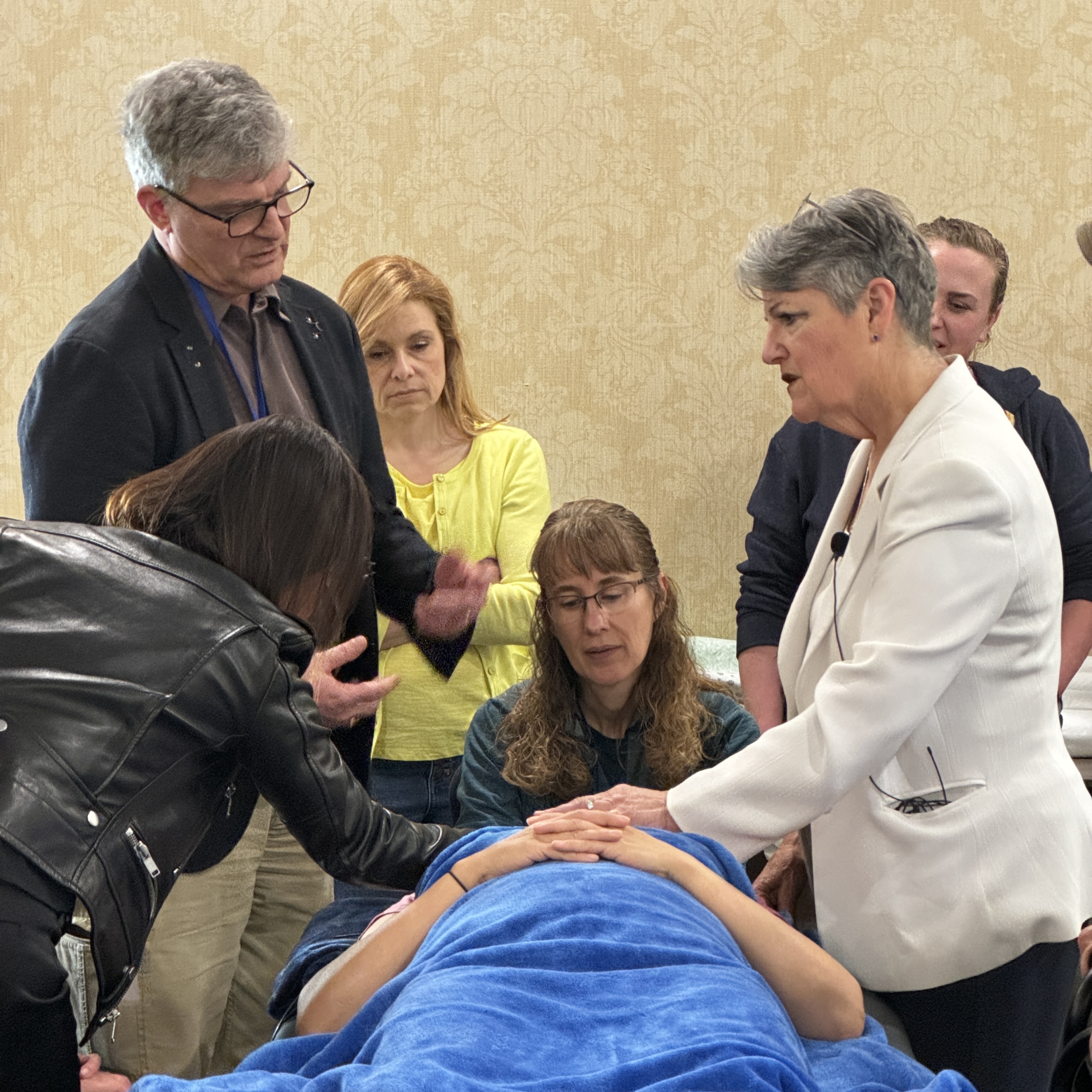
The full in-person experience with Dr. McMakin. 40 hours of instruction including 6+ hours of hands-on practicum with live patients.
- Taught by Dr. McMakin — a chiropractor
- Cervical, shoulder, lumbar, knee practicums
- Visceral referral and concussion protocols
- Continuing education credits
- Practitioner community access
- 10% equipment discount at seminar
FSM Core Video Course
Self-paced online training with included practicum. Complete 20 video units and quizzes on your own schedule, then attend hands-on practicum training.
- 40 hours of video instruction
- 8 hands-on practicum demonstrations
- Learn at your own pace
- Continuing education credits
- Practitioner community access
- Includes practicum training — choose a 2-day practicum at our Troutdale, Oregon facility or schedule with a certified FSM practicum instructor worldwide
👥 Bring Your Assistant: Practitioners can bring a clinical assistant to the Core training at half price. Your assistant learns to set up and run protocols so you can focus on diagnosis and manual work.
Questions Chiropractors Ask
Before Starting
Your Patients Keep Coming Back.
Give Them a Reason to Stay Better.
FSM gives you tools to address what your fingers can feel but can't reach — the disc, the nerve, the facet, the ligament. When you address the cause, practitioners report adjustments hold, patients refer, and practices grow.
Start Your FSM TrainingFSM does not make any claims about being able to diagnose, cure, mitigate, treat, or prevent any condition or disease. The statements and techniques described on this page have not been evaluated by any regulatory agency. FSM microcurrent devices have FDA 510(k) clearance in the category of TENS devices for the treatment of pain. According to the FDA, a clinician can share their clinical experience with other clinicians in order to encourage education and research of novel techniques as a matter of free speech. Revenue examples are based on reported practitioner experiences and are not guaranteed. Individual results vary.