
- 00:00 Kicking Off the Webinar: Early Arrivals and Tech Troubles
- 02:20 Diving Into Viewer Questions: A Complex Medical Case
- 03:04 Exploring the Intricacies of Vagal Nerve Stimulators
- 06:28 Addressing Anxiety and Potential Causes
- 11:55 A Deep Dive into FSM Protocols and Diagnoses
- 13:30 Hydration Myths and FSM Efficacy
- 17:28 Tackling a Case of Severe Scoliosis and Abdominal Issues
- 25:20 Discovering FSM and Its Applications
- 25:31 Addressing Scrotum Health Issues with FSM
- 28:19 Exploring Solutions for Chemo-Induced Neuropathy
- 34:46 Tackling Loss of Smell and Taste Post-COVID
- 37:26 Navigating High Cholesterol and Heart Health
- 43:39 Ehlers-Danlos Syndrome and Tourette’s Treatment Insights
- 58:03 Concluding Thoughts on Health, FSM, and Life
Apr 25, 2024 FSM Podcast
Dr. Carol answers various health-related questions from participants. Topics covered include dealing with clients with specific health conditions like carotid blockages and stroke, vagus nerve issues, and concerns regarding cholesterol and heart health. The host provides insights on alternative treatment suggestions such as Frequency Specific Microcurrent (FSM), addressing misinformation about cholesterol, and the side effects of medications like statins. There are also discussions on conditions like Ehlers-Danlos Syndrome, Tourette’s, and the effect of certain medications or conditions on liver health and erectile dysfunction. The session involves a mix of technical medical discussion, anecdotal advice, and some exploration of unorthodox treatment methods.
Questions answered in this episode
What can cause anxiety besides a vagus nerve problem?
Dr. McMakin lists vestibular injuries, Ehlers-Danlos or hypermobility syndrome, and mold as causes of anxiety to check for. She suggests a vestibular screen, a Beighton score for hypermobility, and asking when and where the person gets anxious.
Is there a simple way to check whether the vagus nerve is working?
Dr. McMakin describes having the patient say 'ah' to see whether the palate goes up, and checking for a gag reflex. If the palate doesn't rise and there is no gag reflex, she says the vagus is not working, which is how she was checked for mold before lab testing.
How does Dr. McMakin use FSM for loss of smell and taste after COVID?
She uses the six virus frequencies from the CustomCare flu respiratory protocol with the capillaries and the ethmoid sinus, with one contact on the forehead and one on the front of the neck. She says every patient she has treated could smell when they got off the table, though some may need more than one treatment.
How do the hosts think about high cholesterol and heart disease?
Citing Mark Houston, Dr. McMakin says heart disease is driven by inflammation, autoimmune dysfunction and oxidative stress, and that the body uses cholesterol like spackle to repair arteries. She suggests looking for sources of chronic inflammation such as root canals or mold, and treating the vagus, liver and inflammation in the blood vessels.
Can FSM help chemotherapy-induced neuropathy?
Dr. McMakin says they have had good success with some chemotherapy agents but not with the platinum-based agents, which she says damage the DNA and axons in the nerves and cord. She suggests trying frequencies for toxicity and the Solfeggio frequency for repairing DNA with the nerve and cord, while being clear you can't put back tissue that's not there.
Have a question for Dr. McMakin and Kim?
Send it in and it may be answered on a future episode.
Please help spread the message of Frequency Specific Microcurrent by clicking on the like button. You can subscribe to us on YouTube or any podcast app. If you have any questions, please leave them in the comments. You can find the podcast transcription at frequencyspecific.com as well as more information about Frequency Specific Microcurrent.
3:00. I am on. It’s 3:00. Welcome to what the podcast looks like when Kim is in Florida. Can’t make it back or get to the podcast. Let’s see. Oh, goody.
Thank you. Jennifer. You give me something to talk about. I’m not very good at setting themes because let’s go with the flow. So we have a question from Jennifer already. Yay! I’m getting a new client who had a stroke, full blockage in the right carotid, only able to see the picture of that doctor drew.
It looks like a middle internal carotid that goes to the brain. Only 35. They think it’s better not to try and fix the block. Okay, watch some YouTube videos from Johns Hopkins who agree that if the body is found an alternate route. That’s good. Instincts just don’t agree.
Just asking for a referral or just a breakdown of logic. They currently just want me to do crinius. Also, they want to surgically insert a vagus nerve stimulator.
What? Okay. Wait. Now I’m confused. She’s got a blocked internal carotid. She’s 35. That says something about something. And they want to insert a vagus nerve stimulator.
It is inserted close to the carotid. A lot of questions to ask. I don’t agree with it, but this is not my expertise. I just think they should find out why the vagus nerve isn’t working. They made it sound like they said it was broken, but I don’t think so and that’s all I can read, Jennifer There’s got to be another part to the story. The vagus nerve stimulators are approved for seizures, gastroparesis, depression, migraines.
What indication do they have? Oh, there we go. Thank you. What indications do they have?
Anxiety. That’s it. They’re inserting a vagal nerve stimulator instead of giving her even medication or supplements for anxiety. Okay.
what’s your clinical degree? What do you do? And medications too. Great. At 35, she may or may not have internal fortitude to argue with them or say, yeah, I’d really rather not do that. Depending on your specialty, your clinical degree, you can suggest to the patient that maybe she look up the side effects and the massage only?
Only a massage therapist? Yeah.
Your massage therapists are really important. So you are a massage therapist? Not only massage therapist, but that’s another conversation. You can’t tell her. Oh, my God, why would you let them put in a vagus nerve stimulator? I’m assuming it’s her left carotid that’s blocked because they put the vagal nerve stimulators, usually on the left. So you can tell her to tell them no, because your massage therapist.
I couldn’t tell her to tell them no, because I’m only a chiropractor. But you can sit there with her and say, have you looked up the side effects of vagal nerve stimulators and how long they last? Those are two really good questions.
But that are worth asking. The next thing I would do that is might be inside your scope is ask her the Vestibular questions. When did you start being anxious?
During what situations are you the most anxious? Is she anxious all the time? Is she anxious when she goes outside? She anxious when she reads or watches a movie? When is she anxious? All the time.
They are new and no studies so far. Oh, vagal nerve stimulators for anxiety. Yeah.
I do a Vestibular screen on her and find out if that is a cause of anxiety. Keep your head straight forward. Follow my finger with your eyes. Ask her all the Vestibular questions. When and where do you get anxious?
And then what was the other cause of anxiety? Does she have digestive problems?
What’s her heart rate? Is she hypermobile? So, Ehlers-danlos or hypermobility syndrome patients are universally anxious and/or depressed. So have her put her hand on the desk and just raise the little finger. And if it goes to 90 degrees, check her elbows, do the Beighton score, b e I g h t o n if you don’t remember it from the Core look it up on the internet. B e I g h t o n. And what does your thumb do? So what is your little finger do?
What is your thumb do. What is your elbow do. Does it go backwards. Do your knees go backwards. And can you bend forward and touch your hands to the floor. So that’s another cause of anxiety. Vestibular injuries or cause of anxiety and Ehlers-Danlos patients seem to have more of those. And then the other cause of anxiety is mold.
Oh, you already checked. Good for you. You get extra points. If I had chocolate, I would throw some at you. It’s not hypermobile.
A mold is another one. So has she been anxious her whole life? Did she start being anxious at a certain age? So what started it? The challenge with vagal nerve stimulators is that once they’re in, you can’t take them out. And maybe just.
Let’s look up vagal nerve stimulators. And they’re on your phone right there on your phone. It’s. Oh yeah, that’s where they put them. That’s how it’s installed there. There it is.
And then oh, there’s this thing that says side effects of vagal nerve stimulators. And they are not always benign. So help her make a decision. The other question that I would have there is something causing a lot of inflammation. She’s only 35. And oh the right carotid. So they’re going to install the vagal nerve stimulator on the left.
Why is her right carotid almost completely blocked. But does that make sense to you? Did I miss something?
Does your family have a history of heart disease? Thank you for checking. Doing your own mold testing is outside your scope, but if you know somebody around, you can talk to her about their other causes of anxiety besides vagal nerve dysfunction. Their medications not working. How anxious are you? Check for Vestibular injury.
Check for mold. The easiest way to check for mold is have her to say and see if her palate goes up, and then have her wash her hands and put her finger down her throat and see if she has a gag reflex. So if there’s the palate doesn’t go up, there’s no gag reflex. Yes, indeed. The Vagus is not working. That’s how Neil checked me for mold before I did the real time labs test.
And with mold, it’s like your body is anxious. Now, the FSM protocols for mold are helpful. One of the things you can do while you’re doing massaging her to calm her down is run vagal tone or concussion and Vagus, but that takes a little bit longer. So there’s that. That’s a great case. And brings us to that same topic that we had last week about how multilayered things are, that there are layers.
So FSM is an adjunct But it’s why in the Core I spend so much time on differential diagnosis. Is it mold? Is it a Vestibular injury? Is it a head injury? Is it root canals? That’s another good question.
Does she have any root canals? At age 35, it doesn’t make any sense that the internal carotid on the right alone is blocked. If both internal carotids had blockages, that would make more sense than just the right. So you might ask her, does she have any root canals? And then the book that I read was The Great Root Canal cover up. And that’s a whole another conversation that may or may not be inside yours.
You can’t make a diagnosis, but you can have a conversation. Go for it. What causes that carotid to be blocked at the age of 35? The only thing that makes sense is some other infection. Like a root canal. Okay, Dana, trying to improve hydration in order for FSM to work better.
I have a confession to make. I think what I decided about hydration in 1997 might not have been correct. I suspect that the FSM was not working because I didn’t know what I was doing and I wasn’t treating the right thing. So back in 1997 through really until about ten years ago. We were treating muscle as if the muscle was the problem. Now the problem is figuring out the underlying cause of what’s making the muscle tight. Terra hydrate supplement and the hydrogen generating water bottle.
Dana, if you can explain to me how the hydrogen generating water bottle works, I would be fascinated because.
There’s no place for the hydrogen to go, as far as I know. Water is H2O. There’s two spots in the outer shell of an oxygen molecule for hydrogens to attach to in order to create H3O, in order to add more hydrogen to water, it takes a nuclear reactors. As far as I know, heavy water is some sort of precursor to making nuclear weapons from every TV show I’ve ever watched. It does evaporate quickly. And just for the record, if it really is generating hydrogen, you know that hydrogen is explosive, right?
It blows up. I’m sure there’s not enough to get it to pop because we did it in chemistry class. You make a little bit of hydrogen and then ignite it, and there’s this little pop. And it’s one of those experiments that juniors and high school really like to do. And the health benefits of hydrogen is something I’m not educated about clinically. It doesn’t make sense to me because oxygen is what your body needs for all of its biochemical functions and.
Okay. Thank you. Dana said. I’ll ask my husband about the details. He’s an organic chemistry professor. What you really need is a biochemistry professor or somebody that knows biochemistry, organic chemistry.
You can do all sorts of cool stuff.
force things chemically to do what you want them to do. Organic chemistry was so much fun. Biochemistry is what happens in the human body. So, I guess I would look up.
What hydrogen does in the human body. I know it’s a thing. That has become more popular in the last 2 or 3 years. So there’s that. But I don’t know about hydrogen and the human body. If I was going to inhale anything, I didn’t inhale oxygen.
Okay, so ask your husband about it. See what he says. Suzanne. Oh, I’m so glad you guys are asking questions. 80 year old with severe scoliosis. A severe, I’m assuming is more than 40 degrees.
Partial hysterectomy due to fibroids, bladder lift. Oh, dear. Decades ago did reflex muscles, sensory and muscles for sure were fine. Not sure about the reflexes. Maybe need more experience. Yeah, they’re not always easy to get reduced movement and stiffness in the abdomen. The hysterectomy would explain that.
Oh, cat litter. Cat litter in the abdomen sounds like maybe the intestines, all the visceral organs plus, so I am assuming inflammation in the visceral organs plus 3 and 97. So sclerosis in the adipose seem to have the best results in terms of movement but there’s still lots of cat litter, had great result with thoracic outlet protocol. Ran C-spine found that lightly touching the lower c-spine muscles cause tingling in the legs, not the arms, lightly touching. This afternoon she had a nerve conduction and no results because she had tingling in the hands.
Biceps and triceps also caused her to jerk her arms and her legs. Yikes. If somebody has a disc bulge that’s pushing on the spinal cord and you lift up on the c-spine and you lift up on the c-spine and it pushes the disc into the spinal chord you can have tingling or tightness in the legs. Lightly touching.
That’s intriguing.
So remember the part of the Core where I told you the patients would get more complicated? This is one of those things.
As you’re lightly touching the lower C-spine takes me back to severe scoliosis.
And the scoliosis combined with the age, combined with the reflexes, combined with the fact that when you check her biceps and triceps makes her legs jerk, I would go looking for or ask her GP to look for stenosis in the cervical or thoracic spine, because that’s where there’s a spinal cord. And the challenge with getting them to do that is that by the time you’re 80 with a non-surgical scoliosis, because by the time they’re 80, nobody’s going to do surgery on the scoliosis. Getting an MD or an insurance company to approve the kind of imaging you need, like an MRI of the cervical and thoracic spine, that’s going to be tricky.
I would try 40/10 or 81/10. The cat litter in the abdomen.
So you ran the visceral organs? I’d run the gut, primarily the small intestine, and try for parasites or pus and pus encapsulated and fermentative and putrefactive toxin and ask her if she travels. She or he barter left. That’s always female. If they travel, so is it a parasite?
Is it sebo?
How’s the rest of her digestion? So these are two separate problems. One is the 81/10 caused there to be a sensation like standing on a rock. Does that mean her feet hurt when you run 81/ 10 under her right foot? So made a right foot hurt.
40/10.
Grew up on a farm.
But if she grew up on a farm and she’s 80 now, it seems like there would be.
I have a confession to make. So much of the diagnoses I do is with my hands and in person with the patient. Really tight abdominal muscles.
Any chance she’s allergic to the mesh?
Because the bladder lift is accomplished with mesh. It’s they call it a bladder lift, but it’s really the pelvic floor that they lift. I wonder about that. And is it all over her abdomen? Is it the small bowel?
And what’s wrong with this model? 81/10.
Standing on a rock.
9/37 all over the abdomen. You could also try 9/ 22. So you could try 9 on the bladder. Allergy in the bladder. Allergy in the fascia. Right. So the fascia could be reacting to the mesh.
I’m assuming you already ran parasites in the small intestine and post and pus encapsulated and inflammation.
Oh, toxicity. Okay. Louise says she grew up in a farm. Yes. Exposed to spraying. Toxicity.
And so any indication?
Does she have any tremor in her hands? Her can’t get back up to the top part.
When you do her upper reflexes, her legs jerk. That’s not normal. That’s hyperreflexia. And that makes me think that there’s something going on in the spinal cord that’s maybe separate from what’s going on on the gut. No, there’s no tremor. So she doesn’t have Parkinson’s.
So.
Yeah. There’s something going on in the spinal cord, that’s for sure. And what is 40/10 do? The other place I’d had.
Two separate problems. One affects the reflexes and the tingling, and one affects the belly. Good. Suzanne says. Thanks. I got some additional ideas.
That’s a good thing because I’m just rambling. That’s how my head works. What to look for based on what piece of what I found. Are these the emails that Kim sent? No, but these are ones that were submitted. But I’m not sure if we ever got to them. Okay.
We do have. Some emails that were sent in by practitioners, so not sure if you’ve answered these. I’m excited to have discovered FSM. I’m excited that you discovered it. Hope to learn more in the future. That is unending.
Wondering if anyone knows of success in healing spermatocele or hydrocele in the scrotum. It’s another one of those mystery ailments. They say you just have to live with it. You love it when they say that. It’s interesting. In the new Advanced laminate.
I just updated the Advanced laminate the other day, Ben Katholi asked me for an updated Advanced laminate. So I took a bunch of Georgia’s experimental frequencies, and he had frequencies for the epididymis and for the vas deferens and I guess I’d love to pretend that I remember what’s involved in a spermatocele and a hydrocele, but basically it sounds like what I remember about them is that the tubing is swollen and the scrotum is swollen, inflamed, painful. And so there’s two things. Number one, why is it inflamed?
So you could go to just running inflammation in the scrotum, inflammation in the vas, inflammation in the spermatic cord, inflammation in the prostatic plexus, inflammation in the epididymis and the the vas and those are experimental. So I don’t know if they’re correct or not. And then the other thing is ask him if he’s had a blow to his testicles. That would have caused scar tissue that would inhibit the flow of fluid. Because fluid always moves. It’s like it’s produced someplace, and then it goes someplace. I don’t think there’s anything in the body that’s static as long as it’s liquid.
And if there’s scar tissue. So if he’s playing soccer or football or got in a bar fight. The sorts of places where scrotums get injured.
Then you could try running scar tissue on that tubing and then run inflammation and vitality and see. If you can help. The good news is that since there’s nothing else that anybody is going to do, then you haven’t got anything to lose. Good luck Chris. Let me know if it helps.
This is another email. 64 year old female with chemo induced neuropathy that isn’t responding to the neuropathy protocols. Central pain, sensory and motor and the spine. Some response after the first chemo infusion, but no joy. Hold that thought. But no response.
Now I ask what is different with this patient and came up with aggressive breast cancer. So aggressive they’re using Taxol. She said she was offered ice packs for feet and hands during the infusion and pain from the ice was incredible. Yeah, the nerves get really hypersensitive. Was told that if she could tolerate the pain, the ice may helped. She kept the ice packs on even though it felt like frostbite.
Describes apathy as numb, heavy bricks just like they are sleeping all the time. Wow. Okay. Oh dear. Patient is 3 to 4 hours from me and has a CustomCare that she can reprogram, or some units she can reprogram. Here’s the problem.
We have pretty good success with the chemotherapy agents in the family of vincristine. I’m not sure what family Taxol falls in. The platinum based cisplatin and the platinum based chemotherapy agents, and we look up Taxol.
Yeah.
Taxol and carboplatin.
Okay, let me look up Taxol.
Taxol is platinum based. That’s the problem. So far, we have not had any success with the platinum based chemotherapy agents. They destroy the DNA and the axon in the spinal cord and the peripheral nerves and the medical response is that’s better than dying of aggressive breast cancer and it live with it. That yeah, I never had any success with it. So you use all of our from the Advanced use all of the frequencies for toxicity, organic and inorganic toxins and poisons. You could also try because the last cisplatin chemotherapy patient I treated, we weren’t using the Solfeggio frequencies.
So there’s a Solfeggio frequency to repair DNA and you could try that. What is it? 528. You could try that with the nerve and the cord. The little icon for whatever browser you use that’s on your phone. I use it all the time in the clinic.
There was a patient in this week. As a matter of fact, she’s also a practitioner, but she was in the office this week as a patient and had her blood work, and her blood work shows that she’s anemic. And so our doctor told her she needed to eat more meat. And she said, I have rheumatoid arthritis. I had a positive, six years ago or seven years ago. She’s 73. Anyway, she’s in her 70s, so she develops a positive RA and joint pain in her 60s.
Unusual and then she has no visible signs of rheumatoid arthritis. So she was on this immune suppressant drug. So basically she had a positive RA and they said oh good you have rheumatoid arthritis. Now you can be in our study. So they put her on this new immune suppressant drug for the rheumatoid arthritis. And it didn’t seem to be doing much. So she spent six years on it then took herself off a month ago.
I looked the drug up. And one of the common side effects is anemia.
And the blood work she brought in with her, done just a month ago, she’s anemic. Her hemoglobin and hematocrit are both low and. It had nothing to do with their diet. It had to do with this immune suppressant that she was on. So there are times when it’s really helpful to have the little doctor Google on your phone so you can look stuff up just to put things together in your head as you’re trying to figure out what to do. So I am really sorry whoever sent the email about the chemo induced neuropathy patient can’t put tissue back.
That’s not there. You can try I think it’s 528 from the Sofigios for repairing the DNA. Leif said how about carcinoma toxins for encouraging the body’s response to the tumor? That would be good. They’re going to keep her on Taxol anyway. So 77/95 on channel A with whatever tissue on channel B.
That’s the pot. And Joy Mitchell, how would you treat loss of smell and taste due to Covid? The covid the flu respiratory protocol that we used for Covid but it’s called the Flu Respiratory Protocol and the CustomCare mode Bank are the 6 virus frequencies 41, 44, 56, 160, 189. Those were the six virus frequencies they had in 1922 from the epidemic in 15, the epidemic in 17, and then the pandemic in 19. They had these frequencies. And when you look at how we smell, it’s the ethmoid sinus.
And I’ve got for those of you that are listening, I’ve got my finger up here, the bridge of my nose up in between my eyebrows, because that’s where the ethmoid plate is. And it is dense little teeny nerve and capillaries. So I put one contact on the forehead and one basically on the front of the neck and run the six virus frequencies with the capillaries and six virus frequencies with the ethmoid. And I guess you could add the tongue. That’s a thought and so far it’s never failed. So at some point, there’s got to be somebody that doesn’t work on.
But so far I haven’t run into them. Usually they run about four minutes a piece roughly. And see how that works. Smell comes back first, and the sense of taste is so closely related to the sense of smell that they’re combined. You could also add the frontal lobe, the cortex 90, and see if that participates in smell and taste. But that works really well.
It’s 38, 41, 44, 56, 160, 189.
well, you guys are doing great today. Thank you for keeping me company. I miss Kim, but she’s having fun in Florida.
Dana, 65 year old female veteran. Okay, which military service is. And what was her job in the military? With a healthy diet, healthy weight, exercises regularly. Has dangerously high cholesterol. Cardiologist doesn’t have any other advice besides medication.
She’s looking to try dream therapy. Is that a typo, or is that for real? Okay, so she’s I want to suggest FSM to try the 970, maybe PTSD and wondering if you have thoughts on the seriously high cholesterol. The question is how high what they consider high is 220 to 250. But the time you’re 65, your cholesterol should go up because you have to make…, Your adrenals have to make all of your steroid hormones estrogen, progesterone, testosterone, cortisol every hormone is endocrine hormone is made on a cholesterol frame. It looks like a chicken wire diagram.
And then there’s different things hanging off of different parts of the chicken wire that make it into that particular hormone dangerously high. I’d say 300, 400, 600, in that range. That’s dangerously high. 250 is not dangerously high.
The cardiologist is going to want to put her on statins. That’s terrible idea because of its effect on brain function and muscle. But there is a binder that binds cholesterol in the gut called colestyramine, and she can use that. He won’t think of it because it’s old. It’s not the statin thing. It’s not even the new statin thing.
And her cholesterol is unlikely to be high because of PTSD, but if she has PTSD so you can have her fill out the PTSD scale. Civilian and military or just the military? One that we have on our resources page for practitioners and see if she has PTSD with FSM. I would run concussion in Vagus and have her come in the morning and run adrenal support.
I’m assuming she’s not fatigued, but she might be. Find out exactly what the cholesterol value is and cholestyramine not going to hurt anything. The worst thing that it does sometimes is cause constipation, but in almost equal measure it can cause loose stools and it just binds cholesterol in the gut. So it’s not recirculated. Arguing with a cardiologist who thinks that cholesterol causes heart disease is useless. So don’t waste your breath or hers.
Concussion in Vagus is a good place to start treating her liver. That’s the thing you can have. Oh, that’s a thought. See the liver produces cholesterol. You can have a completely cholesterol free diet, no cholesterol, zero, zero fat in your diet, zero cholesterol in your diet, zero, and your liver will make however much cholesterol it thinks you need. What if you ran all?
What if you ran liver support? Liver toxicity. Depending on where she served in the military, if she was exposed to the burn pits at all or they’re vaccinated so she has exposure to toxins. What if her liver has an opinion about that? And so I’d run liver support, concussion in Vagus and have her tell her cardiologist that she’ll try three months on colestyramine and see if that takes her cholesterol down into the 200 to 250 range. Dangerously high.
Back when I sold cholesterol medication was like 300 to 600. So there we go.
14 year old.
Oh, Kate says before they started promoting statins, they used to say 150 plus your age for cholesterol levels. Oh, so mine are perfect.
That’s really cool. That’s a good thing to know.
Oh, let me finish with Joy. How long does it take before smell and taste return after the FSM treatment? every single patient I’ve treated for loss of smell has gotten up off the table and was able to smell. So patient goes in to the restroom to empty their bladder and washed her hands and then put on lavender scented hand cream and that was. And then she went, I can smell the lavender. So it’s really pretty fast.
You might need more than one treatment. Okay, Suzanne.
14 year old female with EDS. Oh. Rare genetic bleeding disorder. Not well along with Tourette’s. Yikes. Have not treated EDS yet.
That’s straightforward. Stop bleeding.
And see if it helps. 18/62. The question about the bleeding disorder is what piece of that?
Oh when you go from bleeding to clotting that cascade has multiple genes involved and not well characterized means they haven’t found the gene along with Tourette’s.
Where is Ben Katholi when you need him. Tourettes, I think, is basal ganglia.
Anything else for this poor kid that has lots of pain, that’s 40/10. So when you treat Ehlers-Danlos, you go 40/10 with one unit, 120. So reduce inflammation of the spinal cord. That’s what causes the body pain. So what she cares about is the body pain. Then run 40/10.
It won’t hold because the connective tissue and the disc annulus is really leaky, and because she has Ehlers-Danlos, so it’s not going to hold. So in a perfect world, you would have three units on her. You can do it all with CustomCare’s neck to feet with 124/77, neck to feet with 40/10, neck to abdomen with concussion in Vagus. I have no idea if the concussion protocol is going to help the Tourette’s. I’d have to use my doctor Google to find out what brain part is associated with Tourette’s. I have a feeling it’s the basal ganglia I got extra points.
It is the basal ganglia. So we have a frequency for basal ganglia that works really well. And that is basal ganglia.
Thank you, JJ. By the way, for those of you that are using the I care JJ got product liability insurance. Okay, so the basal ganglia is 9/ 88. So I would run trauma in the basal ganglia torn and broken in the basal ganglia, 40 in the basal ganglia, also neck to feet, and seeing. The brother has Ehlers-Danlos, the bleeding disorders and seizures.
Vagal nerve stimulators are approved for the prevention and treatment of seizures. The third thing you run is concussion in Vagus on the brother. You’d run just vagal tone within an increased amount of time on increased secretions in the Vagus. They all have EDS, so they all need 1 24/77. Suzanne. Yeah, grand mal.
Those are no fun. They’re scary and they hurt. They’re really. You end up breaking things and bruising things, and those are hard, but I don’t know, get all three of them in at one time and see if you can figure out a way to treat them all at one time for 124/77.
Okay.
Now part of the, lipoprotein A. Yeah, it’s the one that’s associated with cardiovascular risk. But once again, there are so many things that contribute to cardiovascular disease. If you listen to Mark Houston and you read what your doctor might not tell you about heart disease, he says heart disease is inflammation, autoimmune dysfunction, and oxidative stress. So find out if she has any root canals, mold exposure, some sort of source of chronic inflammation that keeps the immune system turned on or keeps the Vagus turned down. So the Vagus is in charge of reducing inflammation. Cardiovascular disease is an inflammatory response in the blood vessels in the heart to inflammation. Inflammatory response.
Yeah. In the blood vessels in the heart and that leads to damage in the arterial lumen and the inside of the artery, and the body uses cholesterol like spackle. And then at some point, the immune system decides that the cholesterol is foreign, attacks the spackle. So that’s why heart health has nothing to do with cholesterol. The protocol for heart health is all about inflammation in the arteries, the capillaries, and the heart itself. I’d still go, you can’t change lipoprotein A into lipoprotein or something else, just is what it is.
And it’s what your liver is going to put out. You’re not eating lipoprotein A. Your liver has a gene that makes you put that out in addition to other stuff.
Reduce inflammation. Treat the Vagus. Treat the liver and see if you can get it back. We’ve got five minutes left. Let me get down here to.
Hi, Sherry. What about a high LDL? 170. Yikes. 210 cholesterol, normal. Like completely normal in somebody that’s 69.
LDL is that high? Not great. 210 cholesterol normal. Completely normal. Just started statins. No, just okay.
I feel like a voice crying out in the wilderness. He’s starting to get body pain, so just tell him the body pain is related to the statins. If you feel his muscles, they’ll be, like, gummy and stiff and if he won’t argue with his doctor and get off of statins, just put him on 200 mg of CoQ10 twice a day and it’ll take about a week. But the body pain will go down and the muscle pain will go down. He’s active. That’s good.
I don’t know why his HDLs aren’t going up. His HDL:LDL ratio is not good, not with. So that kind of LDLs, desserts but did a three month diet without dairy, gluten or sugar stuff. Good for him. It might change the LDLs and if you can’t get him off the statins, get him on CoQ10 so that the muscle pain will go away. Because if it’s doing that to the mitochondria and the muscles, it’s doing that.
Statins are doing that to the mitochondria in the brain. So the highest concentration of mitochondria is in the brain the heart and the skeletal muscles. We feel it in the muscles. But if it’s affecting the mitochondria and the muscles, it’s affecting the mitochondria and the brain and the heart. If you can’t get him off the statins… He’s motivated.
So explain what the statins are doing to the mitochondria, and that the statins block the production of cholesterol above the place where that pathway splits in the cholesterol and CoQ10 and you need to supplement CoQ10 if you can’t get him to get off the statins and go on colestyramine. Colestyramine is innocuous. It doesn’t cause any side effects. It’s not going to cause dementia or rhabdomyolysis or total global amnesia, or any of the things that statins cause that they ignore. And the the other thing I have about statins is there is no zero, as far as I know, as of, I don’t know, a few years ago, there are no studies showing that statins are useful, or lowering cholesterol is useful in primary prevention. So all the studies on statins have been done on people who’ve already had one heart attack.
Granted, an LDL of 170 is not bad. I don’t know what the data is on statins ability to lower LDL. They’re going to lower the cholesterol. And the problem with lowering the cholesterol in a 69 year old male is that inside of about a month or two, his testosterone is going to drop. And in addition to the body pain, his testosterone is going to drop, which is going to make him depressed. There’s just all sorts of.
So start with the CoQ10. Yeah, the diet didn’t change the LDLs because his liver, he’s on CoQ10. He already has a erectile dysfunction before the statins. So erectile dysfunction has to do with vascular inflammation and a problem with nitric oxide. Nitric oxide is what lets you have erections. And that’s what what’s the blue pill anyway? That’s what that medication does is it increases nitric oxide.
So does the Vagus. Of course it increases nitric oxide in the brain. I don’t know if it increases nitric oxide in blood parts or in blood vessels in general, but I would run… I had a practice partner one time that ran the peripheral neuropathy protocol from the low back to the feet, with the patient sitting in a rocking chair and not only did his diabetic neuropathy go away, his erectile dysfunction got better so you could treat inflammation in the blood vessels from his neck to his crotch and hope for the best. Fascinating. What?
You guys are really fun. I had so much fun and I didn’t have to make anything up. I just answered questions. This is what we’re going to be doing in the master class in Hawaii.
Oh, wait, congestive heart failure. Heart muscle worse. Louise. Sorry, Louise. I missed that part.
Okay. Suzanne. 80 years old, saying he had a heart stent and did not have high cholesterol. That’s because the plaques have nothing to do with cholesterol. Yeah, the plaques have to do with inflammation and the body and blood pressure. Some imbalance.
Now in CoQ10 two weeks off, he’s still on statins. The body uses cholesterol to spackle to repair the inside of the blood vessels. Thank you, Mark Houston. And then you have to ask, when is it that the arteries get blasted. What causes injuries in arteries? High blood pressure.
Does he have sleep apnea? Does he snore? That’s when you have sleep apnea. Your blood pressure goes way up and damages the blood vessels. Look for infection. And it’s 4:00. We did it already.
Yeah, I like the idea of running 40/62 and 40/ 162 from the neck to the crotch. And see if you can affect his heart and his erectile dysfunction already. That would be fun and then concussion in Vagus, because the vagus nerve tells the body that the there’s no tiger and calms the immune system. If you think about the fact that the vagus has its job to quiet down inflammation, then you want to run the vagus to quiet down inflammation, because inflammation is what’s causing all the chaos in the blood supply in the brain and the heart and the boy parts This is really fun. I don’t have anything magic to say at the end except keep doing good things, keep thinking, keep putting the puzzle pieces together, change lives, do good work, and I’ll see you next week. Love you. Bye.
The Frequency Specific Microcurrent podcast has been produced by Frequency Specific Seminars for entertainment, educational and information purposes only. The information and opinion provided in the podcast are not medical advice. Do not create any type of doctor patient relationship and, unless expressly stated, do not reflect the opinions of its affiliates, subsidiaries or sponsors or the hosts or any of the podcast guests or affiliated professional organizations. No person should act or refrain from acting on the basis of the content provided in any podcast, without first seeking appropriate medical advice and counseling. Know information provided in any podcast should be used as a substitute for personalized medical advice and counseling. FSS expressly disclaims any and all liability relating to any actions taken or not taken based on, or any contents of this podcast.
Links from this episode
Books mentioned
- The Great Root Canal Cover-Up
- What Your Doctor May Not Tell You About Heart Disease (Mark Houston)
-
$1,695.00 ADD TO CART This product has multiple variants. The options may be chosen on the product page
 Online Course
FSM Core 40-Hour On-Line Course 2025
-
$50.00 SIGN IN

FSM Core Course 2025 Physical Materials – Optional Add-On
-
$1,695.00 ADD TO CART This product has multiple variants. The options may be chosen on the product page
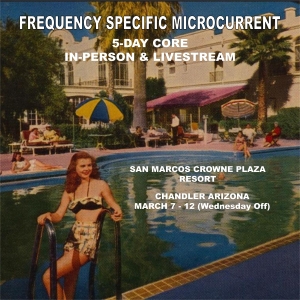 Chandler Arizona
2027 March FSM Core Arizona – In-person and Livestream
Mar 7 2027 - Mar 13 2027 -
$1,695.00 ADD TO CART This product has multiple variants. The options may be chosen on the product page
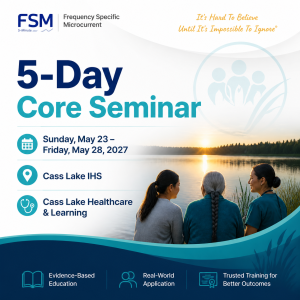 Cass Lake Minnesota
Protected: 2027 May Minnesota 5-Day Core
May 23 2027 - May 28 2027 -
$1,695.00 ADD TO CART This product has multiple variants. The options may be chosen on the product page
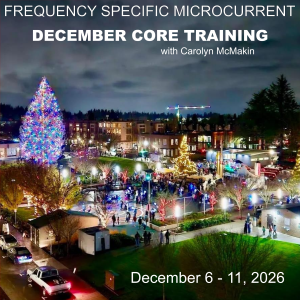 Troutdale, Oregon
December 2026 In-Person 5-Day FSM Core Training – Troutdale Oregon
Dec 6 2026 - Dec 11 2026 -
$1,695.00 ADD TO CART This product has multiple variants. The options may be chosen on the product page
 Online Course
5-Day FSM Online Course – India Only
-
$1,695.00 ADD TO CART This product has multiple variants. The options may be chosen on the product page
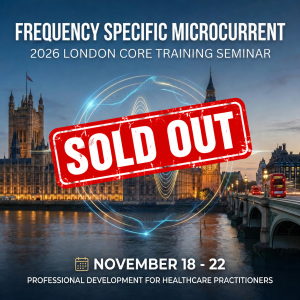 LONDON ENGLAND
2026 London FSM 5-Day Core
Nov 18 2026 - Nov 22 2026 -
$1,495.00 ADD TO CART This product has multiple variants. The options may be chosen on the product page
 Paris, France
2027 Paris France FSM Core
Sep 12 2027 - Sep 18 2027 -
$1,495.00 ADD TO CART This product has multiple variants. The options may be chosen on the product page
 Online Course
FSM Core Deutschsprachiger Online-Kurs – Deutsche Vertonung
-
$1,495.00 ADD TO CART This product has multiple variants. The options may be chosen on the product page
 Online Course
FSM Core Online Course – Multilingual Subtitles – 2023
Not ready to register yet?
Get the free practitioner guide How to Choose Your FSM Core Training: a side-by-side breakdown of the in-person seminar, the online course, and the livestream.
Get the free guide