- 01:23 Mindset in Therapy and Training
- 03:07 The Importance of Self-Paced Learning
- 04:30 Respecting the Integrity of Training Methods
- 05:45 Adapting to Client Needs in Therapy
- 07:03 Personal Injury and Recovery Stories
- 08:35 Characteristics of Successful Athletes
- 09:35 Patient Care Models: Athletes vs. General Populace
- 17:59 The Power of Belief and Hope in Healing
- 30:35 Visualization Techniques in Recovery
- 39:03 Overcoming Adversity: A Personal Journey
- 39:24 The Power of Visualization and Self-Experimentation
- 39:53 Rehabilitation and the Importance of Foundations
- 42:19 Mindfulness in Movement and Recovery
- 49:11 The Joy of Outdoor Exercise
- 54:44 Champion Mindset and Mental Wellbeing
- 01:08:58 Course Information and Final Thoughts
Peter Twist
Join us in this insightful episode where we connect with Coach Peter Twist, a renowned expert in mindset conditioning and mental well-being. We navigate through the challenges faced in daily life, discuss the intricacies of training and rehabilitation, and explore the unparalleled benefits of having the right mindset.
Discover how visualization, belief, and a positive attitude can drastically shift your progress in both professional and personal endeavors. Whether you’re a clinician, therapist, trainer, or someone seeking self-improvement, this conversation will resonate deeply and encourage you to harness the power of mindful practice to achieve ‘happy success’.
Learn more about Coach Twist’s transformative Champion Mindset course and how it can help you elevate your life and those around you.
Questions answered in this episode
How do elite athletes approach injury recovery differently from most patients?
Peter Twist says athletes already focus on being ready and getting better every day, so after a setback they ask 'What can I do?' and take an active role, while many general patients become passengers in a slower, grieving-style care model. Kim adds that athletes are surrounded by a team that believes they will heal quickly, and that this sense of hope and urgency can help recovery.
Does mindset or belief affect healing?
Peter Twist says one of his oncologists told him the difference between patients who succeed and those who don't is hope and belief. Kim cites Ellen Langer's research, including a study where homemakers who believed their housework was exercise saw health benefits, and both recommend Bruce Lipton's book The Biology of Belief.
How can visualization help with recovery?
Peter Twist describes visualizing in two stages, first from an 'eye in the sky' view and then from his own eyes, and says he used visualization during radiation for stage four head and neck cancer and in recovering function after a stroke. Kim uses a recovery-focused version with chronic pain patients, asking 'What would recovery from this injury look like for you?'
What does Kim Pittis have patients say before they move?
Kim says her calling is to create a safe environment for movement, and she has patients stand tall and say 'I feel safe. This feels strong. Movement feels good.' She suggests saying it even with your first steps out of bed.
Why combine balance and strength training in rehab?
Peter Twist says that when strength is integrated with balance, his research shows much higher muscle activation and brain computation than automated exercise, because the person has to stay present and 'earn the position.' Kim recommends slowing rehab and corrective exercise down to small movements, such as isolating the big toe, and 'marinating' in the movement.
What is the Champion Mindset course Kim keeps mentioning?
Peter Twist describes it as a 12-week mindset and mental well-being course: one day each week of study, then six days applying the strategy and journaling the results, with an optional group forum. Kim says the safe community and weekly assignments made it one of the most valuable courses she has taken as a practitioner.
Have a question for Dr. McMakin and Kim?
Send it in and it may be answered on a future episode.
Kevin: [00:00:00] Please help spread the message of Frequency Specific Microcurrent by clicking on the like button. You can subscribe to us on YouTube or any podcast app. If you have any questions, please leave them in the comments. You can find the podcast transcription at frequencyspecific.com as well as more information about Frequency Specific Microcurrent.
Kim Pittis: [00:00:16] You’re here.
Peter Twist: [00:00:18] All right, we’re here. Mutual technology I think.
Kim Pittis: [00:00:24] No, it’s been one of those days when the electricity in my house and.
Peter Twist: [00:00:29] Yeah.
Kim Pittis: [00:00:30] But we’re here, so that’s good.
Peter Twist: [00:00:31] Yeah. No. And just, you know what? You’ve been dealing with electricity, your power and just the original webinar thing wasn’t working, right.
Kim Pittis: [00:00:39] Yeah.
Peter Twist: [00:00:40] Yeah. Just when that was happening and it wasn’t syncing it up? I had a bird fly in my office area here, and then I was trying to fly out it in the windows, like we maybe were a little more than half an hour past our start date, but it seemed like we need to find more synchronization. Right?
Kim Pittis: [00:01:02] Everything was going on. So now the timing is right. And my favorite take homes from the Champion Mindset course was you’re right on time.
Peter Twist: [00:01:11] We’re right on time.
Kim Pittis: [00:01:12] We’re right on time.
Peter Twist: [00:01:13] Yeah I love it. I love it. It’s the perfect time.
Kim Pittis: [00:01:17] I’m a little bummed that we don’t have our live group with us, but my co-host and our producer, they were in Ireland teaching right now, so I guess there might have been some time zone problem, but that’s okay. You and I are together, and I have so many things that I want you to discuss, and I think they’re important.
Peter Twist: [00:01:38] All right. Good.
Kim Pittis: [00:01:39] When I get my hands on you and some of the other therapists and trainers, we talk a lot about load and volume and flexibility and strength, and that is great. And I think our bodies are capable of so many different things. But I think in order to give our bodies the best chance of being their best selves, we have to talk a little bit about the mindset that we bring forth. I’m not sure how we’re going to start this conversation off because I want to basically, in summary, I want to talk about how we as clinicians or therapists, trainers can give our best what we can do so that we are our best in order to get the best out of the people that we work with.
Peter Twist: [00:02:26] I think we can honor that. I’ll try and make sure I discuss it. So if it’s, say, therapists that are listening, they’re going to be both the patient and the therapist at some point. And if it’s not an injury or an illness or hospitalization, I’m sure they have difficulties. So, they are the one needing care as well as the one giving it. That’s like how I wrote the mindset course for you, knowing you would lead other people. But I wrote it with I know it’s kind of a word that I use. I don’t even know if it’s a word of bibliotherapy and right. And I’m writing for people to learn in courses, to go lead others. But I’m trying to make this reading is studying their therapy.
Kim Pittis: [00:03:19] And it was something I looked forward to each week. I loved how I needed a week to marinate in the process the thought, the theme, the value. And then it was like the old time with video games that you could level up to the next one.
Peter Twist: [00:03:37] And that’s right, that’s right.
Kim Pittis: [00:03:38] So I really like the fact that it was self-paced. However, you couldn’t just click your way through it. And I feel like that happens with a lot of online modules that we don’t even really pay attention to it. It’s all about just finishing it, getting it completed, putting it on the wall and moving on.
Peter Twist: [00:03:58] Yeah. You know what? I actually have some students right now that are in my functional physic course as my favorite training system. But the main point is they instantaneously I saw their progression was so rapid through the first five modules that I shut it down on them and then, were the what’s next? Where do we get it? And so I talked to them about studying and experiencing what they learn, the language of movement being written and feel, and then engaging. There’s a workbook to engage in. I can track all of their involvement. I can’t really track how well they’re doing the work. Well, I assume they’re skipping that or speeding through it. And then I said, there’s just there’s respecting. I am protecting the integrity of the methodology that you’re studying. And I don’t see that you’re doing that. So, then you’re not going to be at your highest level. You’re not honoring where it comes from. You’re not protecting the integrity of the methods you’re just skimming through. And you’ll end up implementing some watered down version.
Kim Pittis: [00:05:11] Right.
Peter Twist: [00:05:12] I don’t like that. But it’s not good for you. You’re not reaching your high potential. So I sent them a supplementary lecture that was making sure they understood how it’s a system and everything connect because I think people have struggle with that concept. And then, I had to go back to the start. I said, hey, take your time, immerse at it, make it your craft, become great at something before you start, like speeding through something else. And then most of them like that approach. They started geeking out on it and now they’re like deeply into it.
Kim Pittis: [00:05:48] Yeah, I think I’ve been doing what I do for almost 25 years now, and I understand the need to beat up everything. You feel like you’re behind, you want to catch up when you’re young, you want to be old. There’s always need to just hurry up. But I found. And I’m just going to shift gears really quick to using like, FSM and manual therapy for a second when you are less into motor output. So squishing the tissue, beating it out, just pushing and you’re switching your hands to instead of motor output to sensory input, what is the tissue telling me? And that even shifts to dealing with clients that you’re doing corrective exercise with. When you get attached to the exercise prescription, it becomes less about what that client needs and what they’re trying to tell you what their body is telling you.
Peter Twist: [00:06:43] Yeah, yeah. Good point.
Kim Pittis: [00:06:44] There’s a balance. I think, we talked about this last week, Carol and I, how you can have an idea of what you’re going to do with a client. How fast that tissue is going to heal, how strong they’re going to be in a certain range of motion. But what you think and what the tissue tells you or the client tells you are two separate things. And the more you can get into that middle ground and be able to adapt and pivot, the more successful both of the outcomes are going to be, your perceived outcome and the client’s perceived outcome.
Peter Twist: [00:07:18] Sure. Yeah. You’d find it interesting that so long since I’ve had an injury and that includes when I play the structured North American competitive team sports and they were all combative. I’m playing through injuries and stuff. And then as I Advanced my training and got into more recreational sports, even though I’m skiing down double, nobody’s tackling me. But I did spend two decades. My funnest activity was hiking up mountains in the summer and then racing down. No injuries, right? So I know how to load and athletic and so on. But today through Covid, I have both knees a complete meniscus tear.
Kim Pittis: [00:07:59] Right.
Peter Twist: [00:07:59] And so my parallel to what you said, my sports med doctor, an orthopedic surgeon, said if we went by scans, we would have you in right away on the operating table. I said, but we’ve learned it’s how the patient reports, and I’m reporting in zero pain, full function, deep squats. I’m hiking in the mountains like no pain, no dysfunction. So they just said, keep doing what you’re doing for as long as you can till it changes. And then when it does come in, we’ll take care of you.
Kim Pittis: [00:08:35] Yeah, I think that’s a fantastic doctor and I think we are seeing more of that mentality. It’s nice because you can’t just go off of imaging or just like you just can’t go off of what a squat assessment tells us how everybody feels when they’re doing that. I want to ask you a few questions right off the bat, Going with what you’re talking about with athletes and perceived injuries. You’ve been in this industry for a long time. Are there certain characteristics that you found across the board that certain athletes have that are indicative of their progression? You know who perseveres when they should quit? Is it more than just being tenacious? Is it more than just being goal oriented? Have you seen certain characteristics in the most successful athletes that you could say there’s a commonality between, or a certain mindset that they might all have?
Peter Twist: [00:09:33] Yeah, there is, and I’m not even sure if we’re doing are we doing it right or are we recording? Are we?
Kim Pittis: [00:09:40] You’re recording? Yeah. We’re gonna patch this all together.
Peter Twist: [00:09:43] Okay. And then one of the things you framed up on the text, just step aside and come back in was about patient care.
Kim Pittis: [00:09:50] Yeah.
Peter Twist: [00:09:51] And then. So somewhere near the start, I think a good thing for me to frame up is what is the patient care model in North America. And what’s an alternative that I follow that you may follow, and what are the differences and the differences and lead into what you are talking about there?
Kim Pittis: [00:10:09] Yes.
Peter Twist: [00:10:11] With borrowing from athletes with how they approach it, because that is where the other model comes from. A general populace in a hospital with a nurse or a doctor, their collective approach is a lot different than, say, an athlete has a setback. Totally different. Totally different worlds. Right? Right?
Kim Pittis: [00:10:31] Yes. And I have this look on my face because what I noticed and I’ll go back to working in Calgary at a really high volume clinic, and we sell a lot of our Olympic athletes there. And we saw a lot of oil, gas CEOs, and we saw a lot of just everybody in between. And the difference that I really started to despise as I worked was the sense of urgency, how somebody who works as a cashier, for instance, at Safeway, scanning groceries, her job is just as important as the starting lineup for the Calgary flight. And I would approach the urgency to get both demographics better as fast as possible because we both know movement is health and health is happiness. But when you have an athlete who spends their entire life dreaming about what they’re doing, nobody probably dreams about being a cashier, right? It’s something that they have to do. One of the things that I have noticed with treating Olympic and professional athletes is they have a team built around the team that is all very urgent based. Let’s get them better fast and let’s get them better yesterday. And sometimes that sense of urgency can really help with healing, because they have this team approach that everybody believes that they’re going to heal faster. Whereas the average person who is scanning groceries at Safeway, where is the sense of urgency there to get her better or him better?
Peter Twist: [00:12:13] 100%. This is you like on the mark to a giant topic here, which has about ten different tentacles of key information that everybody listening is a therapist, or when they’re the patient, or to relate to their patient and guide them. This is it right here. And the general populace patient versus the athlete sport performance patient. And you are being respectful in saying the cashier is just as important as the high level athlete. Now, you that’s accurate through your lens because that’s conscious leadership on me to we you’re being respectful and inclusive but the only people who can really decide that the athlete and the cashier. And I bet you the cashier doesn’t value their position as much as the athlete does. And so that’s what’s really valid. And what are the differences? Pre-illness or pre-injury, the athlete’s focuses on be ready.
Kim Pittis: [00:13:19] Yeah.
Peter Twist: [00:13:20] Better every day and being their best when their best is needed. Those three things they want to be ready to perform while in that game. They’re going to take on the long term process to be better every day. And they know what we say in game like championship double overtime or Olympic highlights. That athlete rose to the occasion. But physiologically and mentally, under fatigue, duress or stress, they sink to the level of training.
Peter Twist: [00:13:51] But they need to perform here. But they train to this ability so they can sink to here. Now, a general populace to battle an illness or something, they might need to be here, but they live down here. They’ve never been ready.
Kim Pittis: [00:14:05] No.
Peter Twist: [00:14:05] They’ve never been on a better everyday program and they’re incapable of being their best when their best is needed. So athletes are always training in a way and practicing and healthy, active, fit people that they’re staying upstream from illness better, right. They’re already focusing on they’re not even a patient yet, and they’re trying to do things that they don’t get injured. They can remain active and stay healthy without, being ill as so they’re at a higher level in their well-practiced in that whole routine and process. It’s not new to them. And through the process of training and discipline and commitment and eating healthier and so on, they’re already physically and mentally more resilient, more disciplined, right? And they already have that ability at their fingertips. The general populace, for the majority of them, it’s brand new. Then, we go into a hospital and in Western medicine, if we’re in there for different things. But let’s say a significant illness were in hospitals. Doctors and nurses are trained in a grieving model. Oh my goodness. Yes. Stage III cancer. It’s a grieving model and it’s slow.
Kim Pittis: [00:15:23] Yeah.
Peter Twist: [00:15:23] There’s no actionable strategy given to the patient right away. And patients are left stressed, hopeless and overwhelmed. And in a high performance model, which is what I followed through like stage IV cancer and strokes and so on. And athletes are elite athletes, whether it’s an ACL injury, a career threatening injury or like a human being, they have an illness. And then their first thought is, okay, I’ve had a setback. I can’t do this and this. My back’s against the wall a little bit. What can I do? Right. That’s a powerful statement and there’s so much research on that. Just having that thought, that shift. Okay, you have a setback in business. You have a setback in anything. Okay. Things have changed. What can I do that helps my situation? That is another path that advantages me. And how can I help order back my health. How can I need these team of experts? But how can I help organize them and lead them? And how can I be active? And what else can I do that’s ancillary to that helps out? What can I do that helps the efficacy of the primary treatments? What can I do that helps beat my illness? That’s in a different way than the primary treatments.
Peter Twist: [00:16:49] And then we know Western medicine, the primary treatments are going to damage our healthy tissue too, and have all kinds of awful side effects. We’re grateful to have the primary treatment, went to war against the ropes and were going to die without it. But we know there’s a tremendous cost there. So, still so archaic. So what am I going to do outside of my primary care team to Heal and restore from the treatment?
Kim Pittis: [00:17:15] Right.
Peter Twist: [00:17:15] And so these are actions I can take, activities, things I can consume, mindset practices. Maybe I develop 10 or 15 of them. I can’t be a passenger. I need to be active. Most of the general populace are going to be passengers. They’re going to sit around, hang out and then just receive whatever their therapist, their nurse, their doctor, their surgeon is going to do. So, those are huge differences right there. And you’re right. I think you said earlier about an athlete with their whole sports medicine team of therapists and doctors and so on, and coaches and everybody understands. We need to let nature do. Nature needs some time, but we can accelerate things. And whatever the time frame is, we want you to return better than when you’re injured or ill. Not same. Right?
Kim Pittis: [00:18:15] Yeah. And I think you talked about it very early on about grievance versus the whole. Right. Talked just on a personal level when my own daughter tore her ACL.
Peter Twist: [00:18:28] Yeah.
Kim Pittis: [00:18:29] There is so much hope though built around her little team that I choreograph from the surgeon to the pit and myself to, and everybody was. I always talk about the two C’s. Your team has to be collaborative and it has to be congruent. Everybody has to have the same goal in mind. And for a young hockey player or a young athlete, the goal is to come back from ACL as safely as possible. But one thing I noted from the team that we had compiled for was everybody was so hopeful and energetic, so it wasn’t all, know you tore ACL. You’re out of the most important year of your life. It was this happened. You’re going to heal from it and you’re going to be a better athlete afterwards. And right away that the doom and gloom changed to hope. And it was just getting through the next task at hand, getting through the next metric, the next And if we can deal with all of health care with that same team collaborative and congruent approach, I think we would be in a much different situation. We’re talking about athletes and sports injuries, but if you think about anything from sleep apnea to cancer, I think patients feel very much alone and isolated. And even if you choose to go from passenger to driver, you still need to have the right people on the bus with you to get you through it, because nobody can go it alone.
Peter Twist: [00:20:03] No. 100%. And good for you for circling up your daughter with such a connected, cooperative team of experts. And that would give her a lot of hope and comfort. And I’m going to contrast that to the in Western medicine. Us being here in North America, it’s the opposite in that there isn’t that congruency, that cohesiveness. Right? Everyone’s in their silos. There’s not a lot of integrated care and medicine. And if there is, it’s kind of lip service. And who’s ever this specialist and this title is criticizing what would be done here, and they’re criticizing what would be done here. And so as a patient, if you ever have a serious illness and you care to talk to all kinds of different holistic and ancillary practitioners who may be able to help out. And you do your own research, you’ll find there’s no, like you can list off stroke, cancer or anything, brain trauma. You think by now there would be like a formula that everyone can stand behind and say, this is a good patient care program to be on, to treat and heal and restore. There’s not. There’s just conflict and disagreement. So as the patient, the deeper you look into it, the more stressed and uncertain you can become. And at some point, if this is my primary care treatments, and then I come up with 10 or 15 things for myself, then I’m going to put into my body that I’m going to work on my mindset, that I’m going to be active. Maybe I need to do motion because motion creates positive emotion.
Peter Twist: [00:21:52] I can do motion in nature because nature creates positive emotion and attitude. And there’s a plethora of research on both right down to the cellular level, even the high vibration, very alive nature and force and so on positively affect the structural healing of our cells ourselves. And that’s just science now for folks. So maybe we do some things like that, but whatever my doctors are going to do whatever. My therapist at some point, being the quarterback of my own health, I need to bake it. I need to conclude, I’ve researched, I’ve talked to folks, this is what we’re doing, and I need to bake it so that I have confidence in my team, confidence in the program, confidence in what I’m going to do. So I have belief, and belief leads to hope. But a belief has two big aspects. One is the can do attitude we talked about with athletes and their team. And if you’ve gone through any type of thing where you every day you fail and improved, yet it can do attitude and those with it will carry on and stick to it and believe they can succeed and have that internal locus of control. Those who don’t, maybe they just follow their doctor and they wish or they pray. And prayer can be very powerful, but it’s also an external locus of control. I’m relying on. I’m going to sit here while someone else does it all for me. And for the internal locus of control, I may have the same faith, but it’s up to me.
Peter Twist: [00:23:31] It’s up to me, right? And my doctors. And together, if I can believe, I can believe in my program and I’m confident in it. Have a can do attitude that gives me a lot of hope. Well, one of my primary oncologists who definitely Western medicine and not eastern and Pooh poohs all that. And I say that to give it context to strike for this. He said the difference in his patients that succeed and that don’t is hope and belief. And that goes for their mindset and the energy that they have. For him to say that, that is huge. You know, for you and I to say that, of course, but for him, that’s going into an area that doesn’t normally. And he highlighted that as the main difference. But it’s difficult. It’s difficult if you’re active in corner back, in your health, that can be difficult to have belief in your medical program because there’s so much disagreement amongst specialists in Eastern and Western and so on. So ultimately, you as an individual, we need to conclude that ourselves, we’re going to bake it. We’re going to stick with it consistently. We’re going to be meticulous and we’re going to own the process, have our hands on the steering wheel, do everything we can that advantages us in addition to our therapist and our doctor, and we’ll be with them in grateful spirit, which also is high vibe. It increases faith in you. Thank you Kim. I’m so grateful for your help. And in that spirit, when I’m under duress, all those things add up.
Kim Pittis: [00:25:12] Okay. Like everything that you say, there’s so much to unpack about the word belief for a second, because looking again at Ellen Langer’s research now, she did research, I want to say in the late 70s on the mind, body connection, when it was very woo and hokey. And she wrote.
Peter Twist: [00:25:31] These good for her. Yeah.
Kim Pittis: [00:25:33] She wrote, I believe she’s Harvard trained. She wrote the book on it was called mindfulness. And then she wrote The Mindful Body. We haven’t read those and it reads like a novel, but there were two studies that kind of were her claim to fame, and one of them were it was they had health professionals that they told them that every Sorry, they were not health professionals, they were homemakers. And they told them everything that you do, all your activities around the house and all your cleaning, you’re going to bank all these steps and it’s actually exercise, and you’re going to become healthier by doing all the activities that you do versus the other cohort where they just said, yeah, you’re a homemaker and you just putter around and you actually need exercise outside of this to become healthy. And they burnt the same amount of calories. They had the exact same amount of tasks. But the ones that believed that their movements had purpose, healthier, they burned more calories just because their intent was behind it and their belief that they were healthier because of this. She also did an amazing study with senior citizens who were given a task of taking care of a plant, or like a gerbil, and just having that intent, that responsibility of having to get up and to care for something. That cohort lived longer.
Peter Twist: [00:26:56] In purpose.
Kim Pittis: [00:26:57] So I think there is so much, again, I think there’s more to the athlete can do mindset as opposed to just genetics and cellular activity. It is the belief that their movement has purpose, their recovery means something and they have that belief that they’re going to get better. And again, going back to that athlete that has that team of doctors and therapists and coaches that are cheering them on and telling them that their recovery is going to be successful. They’re going to recover faster than the norm because they’re athletes. I wonder sometimes, is it the cellular activity of the athlete, or is it the belief that they are going to just recover faster?
Peter Twist: [00:27:44] There’s a great book called The Biology of Belief.
Kim Pittis: [00:27:47] That’s how.
Peter Twist: [00:27:49] You have it right there, probably. Right?
Kim Pittis: [00:27:51] And Bruce Lipton is one of my favorite authors. And just I’m going to sidestep for.
Peter Twist: [00:27:58] No, we’re on the same page there.
Kim Pittis: [00:27:59] I used to walk past that book. Every conference that I seem to have gone to, that book was there, and I’ve heard a little bit about it, but I finally read it cover to cover, and I’ve given it to everybody. And the book is tattered and dog eared. But I believe wholeheartedly in epigenetics. And when you have somebody like Bruce Lipton, who is the biggest skeptic to begin with, and his research is undeniable in the field. So yes, the biology of belief is so good. And you know this.
Peter Twist: [00:28:32] Yes And so with that biology of beliefs, two things, if I may, One, when we sit down to eat and sometimes we might need to do work while we eat, we might gain relaxation and peace from reading or being on the screen chatting with friends or something. That’s cool. But really, when we prepare some food, that can be something. We’re stressed out a bit and we lack time and it can be just more work, a task, a job, or it can be. I can cook in my kitchen and feel like I’m back in a Buddhist sanctuary in the mountains of Hong Kong. It can be a very zen, peaceful routine. It is what we say. It is what we decide it is. And so, sitting down to eat, do I sit down some of the times and give thanks and eat in grateful spirit for the nourishment that I get to consume while I’m in a safe environment and eat in peace. And do I eat slow? When I eat, I acknowledge while I’m eating, I enjoy the taste and but I acknowledge that I’ve selected nutrient dense, whole foods that are healthy for me. So one that’s empowering, That’s in the biology of belief that has a positive effect. I acknowledge this food is making me healthy. This food is giving me strength. And I believe that whatever the nutrient quality and what I can absorb out of that, I’m adding to that. I’m increasing the percentage of benefit that I get beyond the basic nutrient quality, based on my mindfulness and the intention and words that I apply in my system were everything is connected. My words, my mind, my brain, my body, my spirit. The food I’m eating that interacts with my cells. So, that’s very important. And I have another pathway to take that, but I should turn it back over to you with that aspect. And that’s an element of pleasantness and making everything a practice. That includes when we’re at our best. That includes when we’re overcoming difficulty.
Kim Pittis: [00:30:51] So one of the things I wanted to sidebar with was the concept of visualization and visualization with athletes goes back to early times. And I think of Muhammad Ali and his visualization and his mantras that he would say to himself. And I know a lot of people would say he came across cocky, but when I think about the athletes that would talk about how he would visualize winning and what his opponent looked like, and we see athletes who I know with, again, going back to our little high school team that I worked with, I would say, girls, I want you to Google the arena that you’re going to play in and Google what the opponent’s jerseys looked like. And when you’re doing your visualization, put that team’s jersey there and think about how good it will feel to score a goal on that goalie and feel the wind and the crowd and hear your mom clapping and all the things like tying the senses, visualization. And so that’s what athletes but I’ve noticed even clinically working with chronic pain patients, instead of asking them the questions of how much does it hurt and what can’t you do? I’ve turned the phrase around to what would recovery from this injury look like for you? And they stop with this sort of perplexed look on their face, like, what do you mean? And I said, if you recovered from this injury, what does that look like? Tell me about what activities you’re going to enjoy.
Kim Pittis: [00:32:22] And their face changes and their body language changes and the weather it’s, oh, I can’t wait to pick up my grandchild. I can’t get back something as simple as putting a cup back on the top shelf of my cupboard, taking my dog for a walk. Enjoying time with my, like all the things. And so when we talk about recovery, I think a lot of times we’re stuck in and you have to take history, I understand that. How did the injury occur? Blah blah blah. But we as health care professionals and as strength coaches, I think spend a lot of time in the past when we can create healthy visualization to what the future will look like, and if we can frame that before movement starts. So we talk about safety a lot. I feel like that is my calling to create a safe environment for movement. And if I take that intent into every patient to create a safe environment for them to tell me their story and to feel safe enough to move in my present. So we always talk about standing tall when I get somebody ready to move, I want you to say I feel safe. This feels strong. Movement feels good. Those are my three favorites.
Peter Twist: [00:33:32] It’s a great mantra. I love it.
Kim Pittis: [00:33:35] And even if that just means saying that on your first couple steps when you get out of bed, feel safe. I feel strong, movement feels good, and then you’re off to start your day. So I’m going to turn it back to you on the concept of visualization. And I know you can see this point from the elite athlete perspective. And from a chronic illness perspective.
Peter Twist: [00:33:55] Movement feels good. Is that right? Yeah. That’s great. And 10 seconds, I’ve heard you talk to any woman and in different ways. You talk to women and men in a friendship and a relationship inside a home. Number one, we can feel safe. We feel safe and seen. We can feel safe, seen and be ourselves. So like all wonderful things will grow and grow from that, right? I’m sure that’s a priority for most people. The fact that you bring that into your professional environment is beyond their standing. That’s so cool. But three pillars on visualization. Back to their sport psychology, which was half of my master’s in coaching science. And from a visualization to help folks, we try and do it in two steps. Number one, say I’m an athlete who has a dressing room, and I might visualize the dressing room, but it’s like an eye from the sky. And if I see myself in a game, it’s an eye from the sky. So I see everything and I see it going well and I see everyone interacting. Then I see competing against my opponents and cooperating with my teammates. But it’s deemed as an eye from the sky, almost like a TV sport camera. And then once I have that down, then I see it from my eyes, from first person, from the inside, just as I would see everything.
Peter Twist: [00:35:20] I see myself sitting in my stall so I can just see part of my hands and arms, maybe my feet. And as you alluded to, what do I see, hear, smell, etc. and then to see it successfully. And does it matter if it’s a fine motor skill like shooting free throws in basketball, or if it’s an ice hockey player who is going to have to play a tough role because they’re a bit bigger and they’re getting the courage to stand up and fight. Does it matter what spectrum of performance or ability, a visualization has produced positive results even without the physical practice on there. So that’s outstanding. And a couple examples for everybody. When I had the opportunity to dig down deep in battle stage for head and neck cancer. And I remember being on the radiation table. And at this time, I’m just. I’m beat up. I’m getting destroyed. And I will say it was stage four cancer that was diagnosed about five years too late. My first oncologist talked to me about palliative care right away. The chemotherapy oncologists refused to do treatment. It wasn’t worth it. I cut them from my team and found two oncologists that thought I had a chance because my fitness, strength, mindset, energy was up there and they knew they were going to beat me up.
Peter Twist: [00:36:50] So I was going to be slowly dying. But they thought I could outlast the killing of the tumor. So we have to be up here so we have room to fall. And if I didn’t have that, I was done. But I’m on the radiation table and I’m held bound by this head and brain and face and neck, chest mask to hole me still. So the radiation can come in and pinpoint as best as possible. But it’s like also blasting my brain stem and all the mucous membranes. It’s you’re getting burned up from the inside out and you leave there, feel like you had ten guys with steel toed boots kicking you in the head, and a couple unique things from a visualization. They asked me what music I was like, mom, I love music. And I said, no music because I want to focus. And then I asked them. I said, look, I’m not. I would never disrespect anyone else. If you need to bring someone in, like immediately after me, help me off the table. I’m out of here. But there’s a few minutes. However long, can I please stay longer on the table? Because when you’ve had the radiation treatment number one, I’m going to do two types of visualization.
Peter Twist: [00:38:12] The radiation is pummeling me. I’m going to visualize my brain like a video game. Pac-man, blowing up the tumors as well. So my brain is contributing the same time as the radiation. I’m visualizing that happen. I know it’s all destructive to the healthy part of me, so I’m also visualizing white light coming in and flooding and swirling and circulating to bring healing energy to my healthy cells that are getting decimated. And I’d like to carry that on as long as possible while the radiation is at its highest intensity. And third, it was so horrendous and so horrific and so torturous, I wanted to stay longer. So I’m in it and I wanted to remember how horrific that is to help me stay committed, not to be back there. And so it’s a go to where the heat is, this philosophy, you don’t skip out on that. You go to where the heat is. That’s where you solve your problems. That’s where you get opportunities. That’s where you’re a game changer, and that’s where you change your own game and life. And they say that was the the first one to stay longer, but that was based around the right time, the optimal time for visualization and doing that in my favor.
Peter Twist: [00:39:40] And then super quick ten years later, based on the radiation, how much that destroys damages your carotid artery. Plus, I think some effects from Covid. I had a stroke, and I don’t know only about two people know that it’s a real coming out party here. I lost the use of my right shoulder, my right arm and hand, and lost function in my right leg. So the first thing you are is grateful spirit. When I was at the hospital, I’m focused on the people checking in, thanking them, making sure they’re doing okay, helping raise their game right. You can still be in a mode to positively impact people and that elevates your state right there. They want to be more succinct. They were going to put me on a physical therapy program, and it was whatever months long grateful to potentially have access to that, I declined it. I went home and did about a thousand reps my first day home and started doing proprioception and balance. My whole career fortunately… there’s 8 billion people in the world approximately, and all 8 billion people know something I don’t. I can learn something from all 8 billion people. But my whole career right here happened to be how to connect the brain and muscle. The brain and body. That’s my whole twist methodology.
Peter Twist: [00:41:08] I’ve geeked out on that my whole life. When I had a stroke, I had use of the left side of my body and I could talk. So it wasn’t the most serious stroke you could have. But I lost function of the right side of my body. Not good. But also with a stroke. I don’t have capability, but I don’t have pain. There’s no pain, so it’s not like it’s not good. But it’s also not something that’s intolerable from horrific, torturous pain. It’s like there’s no feeling right. And so that allowed me. I looked at it like a kind of a research study. In research studies, if you have a thousand subjects, that’s an N of a thousand. So I would have an N of one. An experiment on myself. Part of me found it really interesting. And of course I had an immediate can do attitude. I can do this, I can retrain this, I can rebuild this. I have the resources and did about a thousand reps that first day with the left side of my body from bilateral transfer and also just belief in and visualization that this is affecting the right side of my body and my body is moving and so on. And that return was amazingly quick. I give a lot of the credit to the visualization part.
Kim Pittis: [00:42:35] I think one of my favorite highlights of my career was as a young trainer, taking a lot of the twist conditioning courses that I could in Calgary.
Peter Twist: [00:42:46] That’s right.
Kim Pittis: [00:42:47] And I still remember very clearly being the one that outlasted everybody on the balance board. And I never was a gymnast or an athlete that had great balance, but I fell in love with proprioception and balance through your courses. And if there’s one thing that I’ve taken with me all 25 whatever years that I’ve been practicing, importance of the foundation and to not skip certain steps and going back to how we started about racing through everything. I think a lot of times when it comes to any kind of rehab or recovery, we’re quick to sometimes blow through the stop signs and to try to just get the desired or what we perceived to be the desired outcome. And sometimes that’s what I call wrong strong using the big calls, the latter.
Peter Twist: [00:43:41] Wrong strong.
Kim Pittis: [00:43:42] Not using the smaller muscles.
Peter Twist: [00:43:44] Yeah.
Kim Pittis: [00:43:45] So I was at a really interesting yoga class not too long ago, and I am trying to slow down and take things like yoga and breathwork, and I found it actually very helpful and my running and my speedwork. But one of the yoga instructors used to be a PT, and she was talking about the importance of the intrinsic muscles of the feet and I want to say Mark Fitzgerald was doing some interesting research with hockey players and weak feet and groin vaults. I want to say there was a connection there and he was doing a lot of foot work. But I do see the importance of having strong feet. I noticed that as a road runner, when I go from running on the road to running on the trails, how the next day my foot and ankle complex is completely different because my feet have had to navigate uneven terrain. And so one of the classes we did was we’re obviously in barefoot and she wanted everybody to look at your feet, and I want you just to lift your big toe. And I’m like, this is going to be so easy. And I had to focus so hard on leaving my four little toes and just moving my big toe. And I was sweating just trying to perfect it. And then she’s like the big toe down and just lift up the poor little one. And again, the focus of just doing this really small intrinsic movement. And it reminded me I’m a bit of a Quentin Tarantino fan, one of my favorite movies, Bill. And there’s a point where she just main character gets out of the hospital and she has paralysis. And she said, were you just staring at her foot? Just move the toe.
Peter Twist: [00:45:23] I remember that scene. Yeah, yeah. And then she gets over the bar and yeah.
Kim Pittis: [00:45:29] So here I am in my yoga class, honing in on my Quentin Tarantino But the visualization and the connection. And again, going back to the mindfulness and you were talking about being mindful when you eat. So, I like to slow down the recovery in the rehab and the corrective exercise to small movement. Think about the connection, whether it’s saying move the toe or whether that’s depress the scapula, retract the scapula. What does that feel like? Can you make these small changes and wood balance and proprioceptive work? We really get to slow down, and especially when we remove our sight and one of the other senses of the word we’re relying on the joint kinesthetic receptors are vestibular apparatus. All the small things when we do just slow down, visualize, and I always just say marinate in that movement and be with that. So I don’t know how we blew over here.
Peter Twist: [00:46:30] But no,It’s good. I’ll jump in, marinate such a great word. And to stay with it and be present and to earn the position. And we want to see if someone ever does. If someone does something ten reps, they do it ten times perfectly. In many ways, they just practice staying the same.
Kim Pittis: [00:46:49] Yeah.
Peter Twist: [00:46:49] And so we want to be safe and have good control and movement skill. But I like when a client or athlete can do maybe 6 or 7 really well and 3 or 4, they’ve got some breakdown and they have to earn. They have to earn the position as they go through. So that balance and proprioception, especially when we integrate strength with balance, magic happens. Number one, our research shows we get over 1,000% more muscle activation and over 1,000% more brain computation. And you and I go for a walk and talk. It may be interesting and pleasant, and we get some light fitness or restoration, but we don’t have to think about our walking because it’s automated and a lot of exercises is that automated stage. And there’s less brain, less muscle. And so I like in marinating where you are and knowing that the language of movement is written and feel to feel the movement, we need to be present and we need to be earning the position or postures or movement.
Peter Twist: [00:47:57] And so to design or choose exercise, that forces you to be present in the moment and not just choosing to be mindful. But there’s a difference between mindful and optimizing the amount of brain computations and connecting that from a scientific right. There’s an esoteric, mindful and a loose focus on what we’re doing, which is great. Then there’s really optimizing your proprioceptive system in your millions of sensors and receptors and flooding your proprioception system with challenges. But when we do that, we are in a cognitive state, which means we have to be 100% focused with our entire human system, and everything is connected. And in that present state that a really well-designed exercise forces us to be in, we have over 1,000% more brain computations. All aging research is invalid. You and I can take any subject from any aging research study and fundamentally improve them in all ways. Aging is not showing what the potential of where people can be at an that age. They’re showing through their lifestyle where they may decline. And so I’m certain that we can grow brain cells and get smarter for academic performance, as well as emotional intelligence and kinesthetic movement intelligence as we age. That’s all at hand for us.
Kim Pittis: [00:49:27] It’s interesting that he’s talking about aging, because I see a bunch of different athletes now that I’m in California, and I have a lot of taglines that really irritate me. But one of them is when someone comes in, it’s like, I’m just getting older and I’ll say.
Peter Twist: [00:49:44] That’s a swear word.
Kim Pittis: [00:49:46] So I always say, I’m going to stop you right there. I said, I am healthier now than I was when I was 25.
Peter Twist: [00:49:52] Yeah.
Kim Pittis: [00:49:53] And that is the truth. I made more wrinkles. They may have more gray hair, But I am healthier now than I was when I was 25. And so they’re like, yeah, but. And I’m like, there’s no buts there. Daily choices that you make. I make better intended choices to move. And I don’t go through the motions. Yes, I would go to the gym five days a week when I was 25, but I think a lot of it was the I follow the cool, trendy program. I had headphones on, like it would be different. When I go for a run, I think I sometimes our music, sometimes I don’t. I’ll say it over and over. I get faster as I run uphill, I look bad after and I’m like, I was faster on the incline because I say I am stronger every day. This mile is making me stronger. Mile fives didn’t make me stronger for mile nine. And so it all encompasses that again, that intent, that mindfulness. But it’s not just being present. I’m going to talk a little bit about your course for a second because and I can’t remember which week it was, but we had the task to find some symbolism in our lives. And I chose a palm tree. And the reason why I had chosen the palm tree is, yes, I’m a transplant from Winnipeg, Manitoba to sunny California.
Kim Pittis: [00:51:12] Every time I see a palm tree, I’m in California. I’m not in Kansas anymore. I’m here. What is palm tree represent? For me, it’s given me a whole new lease on being outside. And I didn’t realize how much I need to be outside. Now, a kid growing up in Winnipeg, I was threatened every day of a sunny day in the summer. Oh. It’s sunny. You better get outside. When I moved here, it was sunny in 75. Almost every day I found myself going on a lot of walks with my dog because I felt that I needed to be outside. But it wasn’t that guilt. And I know what’s interesting is there is research now backing up what we inherently feel, why it feels so good to be outside in. Going back to a little bit of FSM, there’s a really neat documentary from James Russell called resonance, and I believe the documentary at first was designed to talk about EMF pollution, but the first little bit has a bit of a background on Microcurrent and a study that was done with Dr. Schumann, and it’s actually called Schumann Resonance. And it’s just the Earth’s electromagnetic waves that it gets off and the Earth gives off the same as our brain does. And I’m good. Now when we’re outside, I think collectively we can all agree. When we’ve spent a good day outside, we come back and we’re tired. But we’re tired in a blissfully exhausted way because we just feel good of being outside and people will say, oh, it’s just the fresh air.
Kim Pittis: [00:52:49] It’s more than just the fresh air. I believe there is that vibration that we feel in certain areas of the forest by the ocean. So when I am in grateful spirit to go on a long run and people are like, oh, I can’t believe you run for ten miles, how could you? How boring. Know I get to go running for ten miles? Yeah, I’m grateful that I’m not on a treadmill. And sometimes their treadmill runs and those are okay because I get to move. But when I can move outside, it’s completely different. So going back to your course, when we had symbolism and being able to find the palm trees every time I run. And what is the palm tree mean to me? And I probably if somebody would watch me running, I probably look pretty silly. Why is this girl smiling? She’s running all by herself. I wonder what she’s listening to. No, I think about the palm tree, what it means to me, and how grateful I am. And there is that part of our brain, that reticular activating system. So when we start, look, that’s our body’s filtration. I always think of it as the bouncer. Right. Who gets it?
Peter Twist: [00:53:51] Yeah.
Kim Pittis: [00:53:52] Out of the cloud. That reticular activating system sees the palm trees and then invokes that gratefulness and then that itself has a snowball effect.
Peter Twist: [00:54:01] Yeah. Excellent, excellent. And those listening symbolism is an activity we did where we’ve each picked any object that we choose and we literally bestow upon it, meaning that we define that can be any meaning. And with our palm tree might be that it’s deeply rooted and standing tall and strong in the storm, and you can choose what you bestow upon it. And then when you see it, it’s like flipping the switch into those high level characteristics and mindset and ability are automatically really reinforcing it visually every time you see it. So that’s very powerful. And I’m sure the palm tree, if you went and you moved to California, must be connected to the visual, must give you while you had the courage and the confidence and the ability to move and create, life started there. So lots of those great empowerment things. And when you talked about being outdoors, and I’d like to just offer folk that to really reflect on when it comes to fitness and staying upstream from illness and overcoming setbacks and illness and injuries and just being healthy, fit, strong. What does that mean to you today and how would you define success, there? Meaning, I’m going to say on this that there’s no right or wrong, and I respect everyone who’s doing something. Let’s just go to the simple activity and I’m going to come back to you being outdoors, running joyfully. And someone can be in the gym just hammering it out on the treadmill to burn calories. And someone might be doing isolation training with really limited overall benefit, but they want to get a big burn on their biceps or their in their growing their butt.
Peter Twist: [00:55:56] And for appearance. And there’s lots of different things that we can do. We all start out in training like we’re just going to build some muscle meat, and maybe appearance is a big primary thing, so nothing wrong with that. But that’s one on one the kindergarten starting a class or how do you see fitness and what can you get out of it and what can you get now? And I’d suggest if you’re doing something for your health and food and training and exercise and you’re not the only resilient, adaptable, peaceful, loving, joyful, enlightened loving.
Kim Pittis: [00:56:33] Yeah.
Peter Twist: [00:56:33] Your program is incomplete.
Kim Pittis: [00:56:36] Yeah.
[00:56:37] Right? And maybe you’re just developing the muscle meat and burning some fat and so on, and maybe that’s enough. But is there more that you can look to and parallel to you running outdoors? A couple hours before our broadcast, I took my training, which I do daily, into the forest. I live in Vancouver, just up from Seattle on the Pacific Northwest. We have ocean beaches, but our primary feature are mountains and rainforests, and they’re super rugged, meaning you can go in there and walk, hike or run. And during an hour 2 or 3, you will not place your feet the same way twice. There’s so much variability. It’s very rugged. Even if your path is flat and undulated, that’s rooty and rocky, and you’re stepping over logs and through creeks.
Peter Twist: [00:57:34] But if you’re going up the mountain and down the mountain. Exponential. Right? Maybe 5 to 10 times more activity for your brain than on the flat. But I’m in there with my white wolf dog, my Siberian husky. He’s off leash. Were joyfully hiking and running. I’ve got music on and I’m listening to my sort of mantra prayers. I was listening to Xavier Rudd’s Spirit Bird on Krishnadas song in English is Show Me What Love Is and and I’m playing those on repeat with my earbuds in. I’m not a great singer with earbuds in, you can just imagine, but I’m singing out loud. I have a smile on my face while I’m sweating and grunting and running with my dog through the forest. And only saw a handful of people in there, but they just looked at me. I wave and they just smile and just compare that for your spirit, your soul, your mindset, your body, your brain to blowing it out on a flat treadmill while you watch soap opera reruns on TV. Yeah, just a completely different planet. There’s neither one. It’s not a right or wrong. They’re just completely different. So with your conditioning and your healthfulness and your illness prevention or coming back from that, really think of what’s possible. With what type of success can you accrue? What type of benefits can you accrue from the type of exercise training, lifestyle activity program that you’re on? And I think there’s a lot more for most folks that they can benefit from.
Kim Pittis: [00:59:15] I agree on so many. And like we were talking about sometimes you do just need… I just want to put on some old school thrash metal and just sprint on the track as fast as I can. I don’t want to think about my environment, I just want fast as I can. There’s a time and a place for it. But going back to some endurance, when I only started endurance training since I moved to California because I needed to find something to do outside. So I’m going to train for a half marathon.
Speaker4: [00:59:46] Good for you.
Kim Pittis: [00:59:47] And so I just come and I’ve been getting better, and I’m getting better and better and getting faster and faster. I’m hitting these PRs and it’s not just about the place. And yes, I’m competitive. So part of it is that I really enjoy the journey, I enjoy training, I enjoy being outside. So I was thinking about the course, the champion mindset course that we had taken and on the long run I had ten miles to do the other day, and every mile I try to have a theme that helps get me through. Instead of thinking I’m running ten miles. That mile one is my warm up and I try to be in tune with my body. How does this feel? How does that feel? Mile one will prepare me for mile two. Do I pick up the pace? Maybe I need a little bit more? As I am getting older, I need a little more warm up so it’s okay without judgment. I just think mile two is more warm up. Mile three might be what’s around me. Can I see trees? Can I find palm trees? And then I do again a check in. And then at mile five 5 I decided to do something different. I decided to wish and bestow an excellent day on every person, car or creature that I pass. And or find possible, I always love to wave or give a peace sign as I’m running.
Peter Twist: [01:01:04] Yeah, I love it.
Kim Pittis: [01:01:05] But then I thought, why stop at runners for cyclists? Why don’t I wish the bird a good day? Why don’t I wish the car? And so I was waving at cars and birds and people. But that mile when I looked past it was what am I most effortless, fastest miles because I was giving. So it’s always about I do enjoy taking in, but sometimes it feels good to just give out.
Peter Twist: [01:01:31] You were elevated. You would show lighter.
Kim Pittis: [01:01:35] Right.
Peter Twist: [01:01:36] and it’s excellent.
Kim Pittis: [01:01:38] And yeah. So, there’s just again going back to the course and I’ve given a testimonial to you and it wasn’t just a fluffy one. I honestly believe this course will change lives of practitioners, of whether you’re a strength coach or some of us who are dealing with chronic pain patients. And it’s a very simplistic concept that we heard so much, especially during Covid. But you have to put your mask on first before you can take care of others. And I think with continuing education, we do get so caught up in like the latest trend and let’s learn the best taping technique or stretching technique or whatever it is. But if you can take, of course, that makes you a better human being, then that spills over into your profession.
Peter Twist: [01:02:26] 100%.
Kim Pittis: [01:02:27] It benefits everybody. I’m very grateful for the course and all the work that you put into that, and your call to action for helping us become better people.
Peter Twist: [01:02:36] So thank thank you for that. I’m honored. I appreciate all your positive words. And I’m great at resonated and you benefited. And that’s I hear a lot in the course is neuroscience positive psychology, positive leadership, conscious leadership so that we build self and then turn me to we. And we are able to give our best to everyone, but also individually have a higher quality life experience and a high quality life experience. Sure, there may be more successful relationships, more successful career and business, but our perception of high quality really comes from the process of today. I have 50 different small moments and inside each of those micro moments, if this is magic and I show up and can leave the people in that moment better than when I showed up to them, that shifts nonstop energy giving and empowering and so on. So going from that me to we perspective and approach worked best when I am at my best and then, I can give that. So that’s fantastic. And from the heart, I’ll share and what Kim is referring to. It’s a champion mindset and mental well-being course where you do study succinct modules and receive lectures that I deliver from the rainforest mostly, and for a setting that’s consistent with what we’re talking about. But you consume it a little bit more like a program in that it’s designed to be active. So one day of study, followed by six days in the week of being active. Applying your mindset principle, method, strategy and then journaling on.. So 12 week day one each week, study the next six days, implement the methodology so your active similar like you were to exercise program that you’re implementing these activities and then you’re recording the results.
Peter Twist: [01:04:45] I showed up in this way. How did that feel for me? How did I notice that affected Kim? And what were the tangible results and benefits that I came out with by showing up with that type of mindset and attitude and so on? And so 12 weeks of that. It’s like how you would think of an exercise program. But for your mindset, I refer to that in the course of the all star lineup of mindset method, because it has to be simple, the science behind these is very complex, but the concept and to apply it is very simple. It has to be because simple is replicable and actionable and complex is not. And so, it’s very easy to understand and implement. These have been universally effective. I’ve got someone with brain trauma, someone who’s battling cancer, someone who just lost their business. Someone who lost their marriage. I’ve got an athlete who’s aiming for a gold medal on the podium. I’ve got an MVP, major league all star athlete. And so from all different spheres and spectrums and walks of life, what has helped people through the difficulties and become their best. And I rise up to new levels of achievement and happiness called happy success. That’s elusive, right? Some people achieve success. Some people achieve a happiness. Most people are elusive on both and had lots of periods of struggle. The combination to be your most successful and also be peaceful and happy is a rare combination, and they’ve been able to lead there.
Kim Pittis: [01:06:31] Right? I think that happiness scale is something. It’s so strange that you were just ending on that, because that was one of my last things I wanted to touch on is were focused on measuring outcome. So, whether you’re a trainer or a therapist, we should always be trying to have objective measures because that’s what shows our improvement. So, if I have somebody that says I’m not getting any better, I can objectively say, your frozen shoulder went from 25 degrees to now 9 degrees. We have objectively increased your range of motion.
Peter Twist: [01:07:05] Yes.
Kim Pittis: [01:07:05] Doesn’t necessarily improve their happiness or their hope. So I’m trying to go back to those questions that we started. What does your recovery look like when you’re recovering and healed from this injury? What does that look like for you? Where were you going to show up? So, I think we need to bring back the emotion and the joy to our recovery. You don’t have to do these exercises. You get to do them.
Peter Twist: [01:07:33] To do them. You get to do them. Yeah, I’ll join you on that. And then I think whether you’re a trainer or coach, therapist, life coach, anyone or just a person who’s reflecting on your own goals, and if someone has goals, let’s go right away to the simple someone wants to lose. A gentleman wants to lose 50 pounds. So that’s his goal. Why do you want to do that? So I’m more fit and healthy and why? You keep peeling back the why and eventually, you’ll get to an emotion. And his emotion might be he wants to feel happy versus insecure, and he wants to feel confident to take his shirt off on the beach, to play with his kids that he’s now not doing because he’s too embarrassed and uncomfortable. And so his emotion is his happiness and playfulness and joy with his kids. Championship athlete. And sure, they may have a contract and notoriety and so on. When they think of winning a championship, you peel back enough layers and you’ll get to the camaraderie with their teammates, the joy of hosting that trophy and feeling good with that win, you’re going to get to some kind of positive, happy emotions that people are in their pursuit with. If you peel back enough layers, so just pointing your compass towards that is an outstanding orientation.
Kim Pittis: [01:09:04] Yes, right. So many we could be on here for hours, but for hitting my phone is blinking that we’re rounding about our time here.
Peter Twist: [01:09:14] Okay.
Kim Pittis: [01:09:15] More information on the course that I’ve been talking about nonstop. And I want to say almost every week somebody. Kim, what is that? What is that? Course? And I send people over to your website, but if you want to just talk about the website, how people can join the course, I’m going to give you that platform and also where to find you on Instagram, because social media can be used for good and your content is always positive and uplifting. And it’s worth mentioning. So if you could talk about your Instagram and where to find the course that we’ve been talking about.
Peter Twist: [01:09:48] Thank you for that and for everyone listening, I will focus on Instagram to keep it simple and allow me to, if you are interested, that I can have a quick one on one with you through there, but Twist University, twistuniversity.com is our main website. You’re going to look for the courses, click a link on the courses and that’ll get you over to the digital platform, which is easier to navigate, more focus for courses. My Instagram is coachpetertwist and a simple DM saying that you’re interested in the mindset. I send you a link and help God make it simple for you, and then you just look through and see if it resonates for you. But I do have a great community on Instagram of smart, motivated, educated, kind, positive, respectful people. There’s no trash at all. There’s once a year I’ll see a goofy comment. Otherwise, people who engage are very respectful of gratefully me the content, but most importantly, everyone else who’s participating. You can leave a comment. It’s a safe space with really good people that just want to get a little bit better every day and capture good energy from each other, good positive energy and share ways for each other. How we can do well. So coachpetertwist is that space.
Kim Pittis: [01:11:20] And just very quickly, before we wrap up, I want to go back course because one of the most unique concepts of the course was the platform where we could share our essays and readings. I want elaborate, and I do have to say it was scary putting out some ideas and part of my feelings because I think some of the platforms, like social media, can be very unforgiving. There’s a lot of cyberbullying that’s going on. But the community that we have, I do feel like they were my friends. They’re my little study buddies that I chat with once a week. And I was wondering, I wonder how that for those of you who are listening and when you enroll in the course and you get to collaborate with people, it is such a safe space. And that’s when the growth for me really happened, is when I was able to close my eyes and hit enter and put out my essay and it went to somebody and became real. And to get the, like, Uber positive feedback.
Peter Twist: [01:12:24] Yeah.
Kim Pittis: [01:12:24] There’s a saying that my therapist says you can’t heal what you don’t feel. So there’s a lot of growth that happens. Thank you again for creating such a safe platform. I think you did a fantastic job of moderating it, but I really do feel like the right people show up and share when the space is there for them. So I think you’re really on to something, and I’m so grateful for it. And I can’t stress enough if you’re listening or watching this on YouTube or if you’re driving to the grocery store listening to this podcast when you are safely pulled over. Peter talked about how you can get more information on the course because it is life changing.
Peter Twist: [01:13:00] Yeah. Oh, thank you for acknowledging and recognizing that. And I want to recognize you because by participating in the one piece of the course, which is like a forum group sharing information, you help create value for the other people doing the same. And there’s a real positive pull of the group that adds another element of powerful forward motion beyond what I’m doing for the learning assets in the course. And for people listening, you do have a free option to do either. There were a number of people taking the course who did read all the comments and benefited from them and appreciated them, but they didn’t share. and they didn’t feel comfortable with that. And we respect that. That’s an open option for folks. Other people did engage and leave comments and share their thoughts. There is just so much tremendous positive collaboration and support from that, and I think that really helps keep people committed and help pull everybody through. We all learn from each other and including myself, from all of you that participated. So, I think we’re all equally appreciative.
Kim Pittis: [01:14:13] What a great feeling to be just so grateful for all of it. So on that note, I am very grateful for the time that even though it was a bit of a rocky start, we were right on time though, we got it done. And thank you again for sitting down, standing up and chatting with me.
Peter Twist: [01:14:29] You’re very welcome. Technology was not in our favor at the start. But we had good perspective, good mindset, great coping skills, great adaptability, all those mindset qualities. And then just sawed through it and forward flow. So thank you for having me on. Thank you for all you do in the world with your patience as well as your positive messaging and education out there. And I’ve enjoyed today. Thank you so much.
Kim Pittis: [01:14:56] Thanks. We’ll talk sgain.
Peter Twist: [01:14:58] Cheers.
Kim Pittis: [01:14:59] Bye everybody.
Kevin: [01:15:02] The Frequency Specific Microcurrent podcast has been produced by Frequency Specific Seminars for entertainment, educational and information purposes only. The information and opinion provided in the podcast are not medical advice. Do not create any type of doctor patient relationship and unless expressly stated, do not reflect the opinions of its affiliates, subsidiaries or sponsors, or the hosts or any of the podcast guests or affiliated professional organizations. No person should act or refrain from acting on the basis of the content provided in any podcast, without first seeking appropriate medical advice and counseling. No information provided in any podcast should be used as a substitute for personalized medical advice and counseling. FSS expressly disclaims any and all liability relating to any actions taken or not taken based on or any contents of this podcast.
Links from this episode
Books mentioned
- The Biology of Belief (Bruce Lipton)
- Mindfulness and The Mindful Body (Ellen Langer)
-
$1,695.00 ADD TO CART This product has multiple variants. The options may be chosen on the product page
 Online Course
FSM Core 40-Hour On-Line Course 2025
-
$50.00 SIGN IN

FSM Core Course 2025 Physical Materials – Optional Add-On
-
$1,695.00 ADD TO CART This product has multiple variants. The options may be chosen on the product page
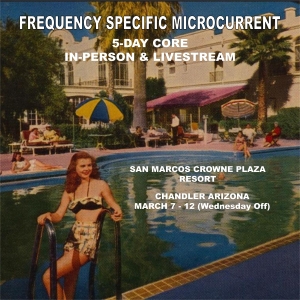 Chandler Arizona
2027 March FSM Core Arizona – In-person and Livestream
Mar 7 2027 - Mar 13 2027 -
$1,695.00 ADD TO CART This product has multiple variants. The options may be chosen on the product page
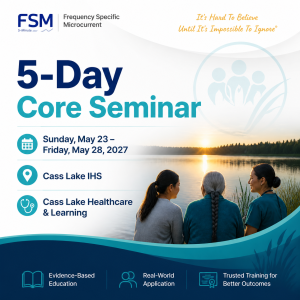 Cass Lake Minnesota
Protected: 2027 May Minnesota 5-Day Core
May 23 2027 - May 28 2027 -
$1,695.00 ADD TO CART This product has multiple variants. The options may be chosen on the product page
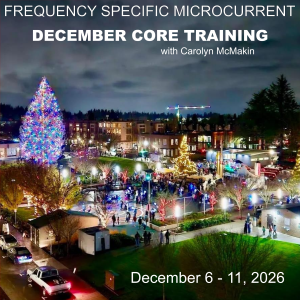 Troutdale, Oregon
December 2026 In-Person 5-Day FSM Core Training – Troutdale Oregon
Dec 6 2026 - Dec 11 2026 -
$1,695.00 ADD TO CART This product has multiple variants. The options may be chosen on the product page
 Online Course
5-Day FSM Online Course – India Only
-
$1,695.00 ADD TO CART This product has multiple variants. The options may be chosen on the product page
 LONDON ENGLAND
2026 London FSM 5-Day Core
Nov 18 2026 - Nov 22 2026 -
$1,495.00 ADD TO CART This product has multiple variants. The options may be chosen on the product page
 Paris, France
2027 Paris France FSM Core
Sep 12 2027 - Sep 18 2027 -
$1,495.00 ADD TO CART This product has multiple variants. The options may be chosen on the product page
 Online Course
FSM Core Deutschsprachiger Online-Kurs – Deutsche Vertonung
-
$1,495.00 ADD TO CART This product has multiple variants. The options may be chosen on the product page
 Online Course
FSM Core Online Course – Multilingual Subtitles – 2023
Not ready to register yet?
Get the free practitioner guide How to Choose Your FSM Core Training: a side-by-side breakdown of the in-person seminar, the online course, and the livestream.
Get the free guide