
- 01:50 Custom Care Mode Bank Updates
- 03:25 Discussion on Joint and Extremity Protocols
- 09:58 Lymphatic System and Infections
- 17:11 Root Canal Issues and Dental Health
- 24:00 Radiation Treatment and Side Effects
- 31:55 Introduction to Practitioner Types and Black Box Protocols
- 32:38 Case Study: Kathleen’s Nasal Surgery and Mold Exposure
- 33:10 Mold Nasal Spray Recipe and Treatment
- 36:34 Discussion on Binders and Mold Colonization
- 48:54 Parasites and Their Impact on Health
- 57:29 Masterclass Announcement and Conclusion
https://frequencyspecific.com https://fsmsports365.com
Revisiting Treatment Protocols
Due to evolving knowledge and practical advancements, it is crucial for practitioners to continuously update their FSM treatment protocols. Recently, significant updates were made to the FSM standard protocols, with new additions designed to address various health concerns. These include comprehensive protocols for conditions like Ehlers-Danlos syndrome, which incorporate frequency combinations such as 40 and 10 to optimize treatment duration and efficacy.
Targeting Joint Health
New considerations suggest separating protocols for acute and chronic conditions affecting extremity joints. Practitioners should consider whether to maintain generalized protocols or expand categories to include specific injury types, such as ankle sprains or shoulder injuries. This specificity can make FSM applications more targeted and effective for patient recovery.
Addressing Infections and Lymphatic Health
Managing infections with FSM involves understanding the underlying issues that exacerbate conditions like swollen and sore lymph nodes. Practitioners should assess any historical surgical interventions, like tonsillectomies, and consider potential infections as underlying causes. Comprehensive evaluations, including complete blood count (CBC) tests, are recommended to determine appropriate FSM interventions or the necessity of traditional medical treatments, such as antibiotics.
Supporting Post-Radiation Recovery
FSM practitioners must carefully consider the specific needs of patients undergoing or recovering from radiation treatments. Reducing inflammation and preventing scar tissue formation are critical. FSM treatments should focus on collateral tissue damage in areas affected by radiation, like the bladder or rectum, and utilize specific frequencies to minimize pain and promote healing without enhancing tumor growth.
Managing Parasites and Mold Exposure
Practitioners encountering patients with parasite-related conditions or mold exposure must employ FSM as part of a broader treatment strategy. While FSM can modulate symptoms, it is essential to combine it with appropriate pharmaceutical or holistic interventions. Soucing effective antifungal nasal sprays and utilizing oral binders like Chlorella or bentonite clay can significantly support patient recovery.
Dealing with Cardiac Arrhythmias
In cases of atrial fibrillation or supraventricular tachycardia, especially those with a traumatic onset, FSM can play a vital role in treatment. Practitioners should concentrate on optimizing vagus nerve function to stabilize heart rhythms. Continued treatment and careful adjustment of frequencies—particularly those associated with the vagus nerve—may help decrease arrhythmic episodes and improve heart health.
Implementing FSM into medical practice requires an ongoing commitment to learning and adapting treatment protocols to meet the diverse needs of patients. Through continuous education and the refinement of techniques, practitioners can leverage FSM to address complex medical issues effectively, ultimately enhancing their practice and patient satisfaction.
Questions answered in this episode
Can FSM help swollen, sore lymph nodes?
Dr. McMakin says sore and swollen lymph nodes are an infection until proven otherwise, so the first step is a complete blood count and a visit to your GP. She explains FSM frequencies can address lymphatic congestion and inflammation but are not adequate to kill bugs, and suggests a 3D cone beam scan to check for a jaw infection if nodes under the jaw are involved.
How can a root canal or jaw infection affect overall health?
Dr. McMakin explains that a jaw infection may not raise the white count because the immune system cannot reach it, yet it inflames and upregulates the immune system. She says infections, stress and trauma turn off the vagus, which leads to GI issues, and shares that infected root canals preceded her own gallbladder infection and heart surgery.
Can FSM be used during radiation treatment for prostate cancer?
Dr. McMakin cites one study showing that FSM frequencies for radiation and inflammation reduced pain, inflammation, collateral tissue damage and scarring during radiation without increasing tumor growth. She suggests treating the surrounding tissues such as the bladder, urethra, rectum, nerves and blood vessels, because radiation damage leads to ongoing inflammation and scar tissue.
Could a blow to the chest be linked to an irregular heart rhythm?
A listener described a 17-year-old whose rapid heart rhythm began right after being hit in the chest, and whose episodes dropped after one concussion and vagus treatment. Dr. McMakin praised asking what happened before the condition started, explained that the vagus runs right behind the sternum, and suggested treating the vagus again for trauma and scarring.
What is changing in the CustomCare protocol mode bank?
Dr. McMakin is updating the CustomCare standard protocols, adding single frequency combinations, separate joint programs, a longer DOMS program, and the vagus in GI protocols. With the 3.0 software, the standard protocols update automatically, specialty programs practitioners created are kept, and users can clone and modify a standard if they prefer the old version.
Can parasites cause ongoing health problems after traveler's diarrhea?
Dr. McMakin says she sees patients whose parasites were missed, such as a man diagnosed with Crohn's months after traveler's diarrhea, and believes parasites can turn down the vagus. She notes that standard ova and parasite stool tests often miss them, while newer DNA tests are more effective.
Have a question for Dr. McMakin and Kim?
Send it in and it may be answered on a future episode.
179 (Carol McMakin’s conflicted copy 2025-08-27)
[00:00:00] Dr. Carol: Radiation is the gift that keeps on giving because it damages the DNA, so you treat 54/10, the two radiation frequencies that causes DNA damage, which causes the immune system.
[00:00:15] To recognize it as foreign, which causes ongoing inflammation, which causes ultimately scar tissue.
[00:00:25] Kevin: Thank you for subscribing to the Frequency Specific Microcurrent podcast. FSM is a breaking tool for medical practitioners who feel stuck with limited treatment options, especially for complex issues unresponsive to conventional care. FSM training is the best continuing education course for medical practitioners.
[00:00:38] Get our free introductory webinar at frequencyspecific.com/about or find FSM trained practitioners at frequencyspecific.com/find. here’s Dr. Carol and Kim Pittis.
[00:00:49] Dr. Carol: Hi guys. Chat was disabled, but now everything’s okay. Good. Kim is on a plane taking her daughter. Oh, from Deerland. You have, Annie has the most amazing deer in her backyard and I am in Hilo, Hawaii, and when Derek gets on, I’m gonna have to tell him why I didn’t.
[00:01:17] Stop and see him while I was in Hilo. And that was because I was meeting with somebody who’s going to be organizing our core seminars in the UK in a functional medicine community. So it’s just me. ’cause her, ’cause Kim is taking her daughter to Canada for a gap year to play hockey? I think. So this background is I’m in an Airbnb with Christie Hughes and her team that does workshops on the big island.
[00:02:01] And I’m rocking the camera, so I hope I don’t make any motions. I, so I’m in an upstairs room and that’s my view as I sit here looking or working. I’ve been putting this off for almost two years ’cause I couldn’t arrange the time in my brain and the space to update the custom care mode bank, which should have been done, like 10 years ago, and then really needed to be done for the last five years.
[00:02:39] So I’m updating the the standard protocols, adding some new ones, like some of the single frequency combinations where you don’t need a name for it. You just, if you don’t know what 1 24 and 77 is for. You probably shouldn’t own a custom care, but that’s just me being, you know me. But there’s also a protocol for airs Danlos that includes 40 and 10.
[00:03:15] And so it runs two and a half hours. Or if you have a custom three custom carers, you can run 1 24 and 77 and 40 and 10 will be a single frequency combination. And then there’s other concussion and vagus or vagal tone. So it’s been fun to see how much everything’s changed in the last, since we did the last update.
[00:03:50] Yeah, so extremity joint. I guess I can ask you guys, you can be my, I mean there’s, you know enough, there’s 16 of you. Do you want like extremity joint? Does everybody know what that is? Acute week one to week four. And then extremity joint, chronic or do you want things, do you want to keep those and add things like ankle sprain, knee injury, knee pain, hip injury, hip pain, shoulder injury, shoulder pain, wrist, and that’s an extremity, joints and extremity joint, but some joints have labrums.
[00:04:49] Some joints have a lot of cartilage and some joints have a little bit of car cartilage and some joints have the ankle is all ligaments. Not much connective tissue except for the retina AUM on the medial sun. So I’ll add tarsal tunnel if it’s not on there. I have all these in my mode bank, so I’ve got two computers next to each other.
[00:05:23] I get up in the morning at about six ish, because we’re three hours behind. So it’s noon here 1203. And get up at six. I have coffee and. Some breakfast and then I come back up to this table and start sitting at a chair and working on my five pound pc. That just has the standards, so I’m updating the standards.
[00:06:01] Okay, Denise? Separate joints would be helpful. See, that’s what I think that enhanced do. Yes. I have doms and I have DOMS Long, so I’ve added that. And there’s, I guess I could keep all alone. I leave actually use the acute SPR of myself in the last two weeks after stepping in a whole pop.
[00:06:30] Yeah. Don’t you hate it when you do that climb? The and then I found out that, so like leaky gut I’ve gotten up to GI leaky gut and they’re still under the GS instead of the ls. So I guess I could create two versions. One that’s GI leaky gut, and one that’s just leaky gut. So it’s easier to find and found out that the vagus isn’t in any of the GI protocols because when I first made the custom care mode bank it is when I first made the custom care mode bank, we weren’t treating the vagus.
[00:07:17] No, Danielle, the Mode Bank has not been updated since the 3.0 software came out a few years ago. So the way it’s going to work is I send the standard mode bank to the software programmer and he changes. So I, there’s a little indicator that tells him I’ve modified the protocol and then he changes the standard.
[00:07:49] And the next time you open the software, the standards, the ones with the little check marks on it that you can’t change, the standards will automatically replace the standards that are in your Mode bank. They will be updated if you don’t like the updates you can open them. Clone them and modify ’em and put ’em back the way you like ’em.
[00:08:19] And our deal with the software programmer is that the software’s been designed so you don’t so you don’t lose the specialty programs that you’ve developed. And this will be very good news for David Hickey, who never is on the podcast, but I’m assuming all of you have specialty programs that you’ve put in.
[00:08:48] Thinking about what are the Do Not Use programs? Oh, those those should have gone away, Patricia. Say the current versions you like as a custom protocol. Kevin says what are the do not use programs? I don’t remember, but they were so bad that I didn’t want anybody to use ’em. And that’s on the really old version.
[00:09:13] If you don’t, it sounds like you don’t have the 3.0 software. It’s so much better. Call the PDI Office or email contact Precision Distributing and ask them if you have the, you do have the 3.0. The do Not Use programs aren’t, I’ve gotten past the ds, so I’m into the GS ’cause I just did the gallbladder and the GI stuff.
[00:09:47] Do not use, I didn’t run across those in the D section, so I don’t know. I, they were programs that had stuff in them, probably 81 and 89. I’m gonna guess that’s call Danielle and ask her if you would Patricia Lisa, can it help restore lymphatic flow? Yeah. I had my tonsils removed. Epstein Barnes strep when I was younger.
[00:10:31] Do lymphatic self massage, dry brushing, started exercising, swollen and sore in my neck, armpits and inner thighs. Okay, that does sound like an active infection. So whoever did your tonsils or perhaps your GP is your next stop. That shouldn’t happen. Tonsils are lymphatic tissue and they are reservoir, especially for strep.
[00:11:05] And have you only been doing lymphatic self massage and dry breasting since the surgery
[00:11:16] recently? So since surgery, right? It could be that
[00:11:25] surgery was a long time ago and you have all these swollen lymph nodes. Yeah, I would go to see your GP and antibiotics. There’s a place for them, that’s for sure. Swollen and sore lymph nodes are not normal and we can run scarring in the lymphatics, congestion in lymphatics. And you put a contact around your neck and you put a contact well down at your feet actually.
[00:11:59] Are your ankles swollen? Or just the lymph nodes in your groin and your armpits? That’s not, I’d at least get a C, B, C complete blood count to see what your white count is and see if it’s elevated. And if it’s elevated, you need antibiotics. We don’t know where the infection is, probably shows. So all four?
[00:12:29] Yeah. Get your white count and sometimes your ankles are swollen. So if there’s an infection that starts like in your tonsils, they take the tonsils out. And the tonsils are a, like a reservoir. The reason a 30-year-old gets their tonsils out is that it’s a reservoir of strep. Especially, and that’s dangerous.
[00:12:57] And if there’s sore and swollen so long after your tonsils have been removed, something’s not right. We can do, we can treat scarring in the lymphatics. Vitality in the lymphatics, congestion in the lymphatics, inflammation in the lymphatics. If they’re sore and swollen it, it’s an infection until proven otherwise.
[00:13:29] I would get on something broad spectrum like erythromycin or Augmentin or something. The other question would be, the other question would be. Okay. They’ve always been swollen like for so long. Yeah, that’s not normal. Let’s get a white count and then we can talk. So if your white count is low normal, if it’s in the normal range on the low end of the normal range, then we know you don’t have an infection.
[00:14:06] And this is just your lymphatic system doing what it’s supposed to, which is picking up the bugs and taking them someplace where the immune system can beat up the bugs and kill them. And then they’re supposed to go to the spleen where they get recycled. I think it’s spleen and sent out. So treat and if everything’s swollen, I’d probably do congestion 50.
[00:14:37] That’s safe and leaking. So 1 24 toner, Brook. 18 leaking. It’s not bleeding, it just leaks. And then vitality and the lymphatics and polarize it neck to feet and while you’re running the current, so 13 on channel B and congestion. 50 torn or broken or leaking. And 49 on channel, a neck to feet polarize it positive and someplace between 150 and 200 micros.
[00:15:23] And do your lymphatic drainage. There’s a question, how swollen are you? It’s and where?
[00:15:35] Connecting that spleen. Oh, so you must be an acupuncturist. So you can also run from a acupuncture point of view. You have if you do pulses, so you, the spleen deficient, kidney deficient, which kind of makes sense, right? Spleen and kidney are connected for both the in and then, but the lung in acupuncture is the mother air quotes of the spleen.
[00:16:17] So you, you can do spleen chi. So 35 is balancing. So you don’t know whether the spleen is deficient 3 21 and 49 with 13 the spleen, or if it’s hyper, which is unlikely. But if the spleen points are sore, you have to ask why. So you could do just balancing the spleen. That tends to normalize the pulses, balance the kidney because whatever you send through the lymphatics and through the spleen has to go through the kidney to get out and in an acupuncture framework.
[00:17:09] Thank you Pat Lawless and Sandra Megan for teaching me this and an acupuncture framework. The lung is the mother of the spleen. So once you balance. Kidney and spleen. You have to support the lung meridian energy system to balance the whole thing. Nodules, huh? Wait. You can feel nodules in your neck and you thought it was normal.
[00:17:40] Okay do that brings us to, do you have any root canals? So if the nodules in your neck are here under the jaw and you ha and they’re swollen and tender, and then all of your lymph nodes are swollen, you still need a CB. C. A jaw infection from a root canal will not raise your white count because the immune system can’t get at it.
[00:18:14] It inflames the immune system. Upregulates it. That’s what caused my heart stuff. So I’m pretty much educated on this. I’ve had nine jaw surgeries to take out six or seven root canals and that were all infected, like my jaw was infected. So CB, C first, then a 3D cone beam. So it’s, yes, I am talking about the catch word for it is cavitations, but that’s infections in the jaw and that is enough to make these swollen and your armpit swollen.
[00:18:54] If it’s gone to your groin, there may be something else going on. I have a friend that had cellulitis infection in in his leg. And it turned out that it was from his root canal, so he had an infection in his jaw and that led in his case, he got cellulitis, just a random infection in his leg.
[00:19:21] And for me, first thing that happened was I got a random infection in my gallbladder and thought it was just my gallbladder. And then the next time I had a root canal, three months later I had a widow maker lesion in my heart. That was my open heart surgery. That’s why we don’t mess with, that’s why we don’t mess with swollen lymph nodes. So there’s a process. So find out if it’s an active infection, oops. An active infection by getting your white count. Then get a 3D cone beam to find out if the jaw is the source of your infection. Yeah, that’s it’s, and you can treat the acupuncture points and the lymphatics, but FSM frequencies are not adequate to kill bugs.
[00:20:21] They just change the signaling that the bacteria create. And if you have an infection in your jaw. That’s a different project. Sherry Gallison had her hand raised and I don’t know how to wor work this thing. There you go. Interested in root canal issues. I have a tender root canal. Whoops. Two for two years, which Conium shows no real infection.
[00:20:48] Oh, for God’s sakes. Okay the cone bean shows, I love this. No real infection. If there’s a dark area under the tooth that’s an infection. Get somebody else to read the film or Yeah, that is just hilarious. He’s either got old software or he doesn’t, if he’s not an oral surgeon, he’s not gonna make any money by taking the root canal out.
[00:21:17] ’cause that’s what has to happen. And they are taught save the tooth and the. Dark area. Yep. But you have to understand, I have a particular perspective on this that’s different than most dentists, except for maybe Mary Ellen. My root canal’s almost killed me. So when I say Mary Ellen Chalmers saved my life.
[00:21:42] That’s what I mean. She ordered the three B 3D cone beam. She said, you have no risk factors. You shouldn’t have needed open heart surgery. We have to keep looking and had open heart surgery in 2007. We did a regular CT scan in 2008, we did a 3D cone beam in 2009 in the back, half of my jaw on both sides was infected.
[00:22:09] So I went a year and a half, two years without any molars because they were all on the back. So we just pulled them, but then they put in bone grafts that have to heal before you can put in implants. So make sure the implant is ceramic or titanium and don’t let them do the removal and the implant on the same day.
[00:22:38] ’cause there are some dentist offices that are now celebrating that they can do this for you. And that’s insane because you have to have the bone be not infected. So they need ozone. Basically it’s a bone infection. So I was on antibiotics for six years to clean up the infection that went up, that ate through the floor of my sinus.
[00:23:06] This infection cleared up pretty fast, but. So I don’t wanna take antibiotics. Okay. How do you feel like open heart surgery? So yes. Go get implant on request for osteoporosis. Yeah. No, it’s the GI issues. What turns off the vagus folks? Come on quick quiz infections, stress and trauma. Jaw infections count, sinus infections, mold count.
[00:23:46] So when you find somebody with GI issues it’s a thing. You’d have to look at the vagus, then you have to look at what turned it off, infection, stress, or trauma, and then find out. Yeah, that’s one of my hot buttons. It’s just enlightened self-interest on my part. Oh, mold plus MCA. If you have MCA, your vagus isn’t working and you have leaky gut implant on the upper jaw, and it was okay.
[00:24:21] I’m not sure what that means. Yeah. Okay. Lori trying to support my husband during radiation series two years. Ooh. Post pros, Ooh, eek. Don’t wanna interfere with treatment, like to minimize damage by bladder rectum. Keep the rest of him healthy as possible. Oh what’s interesting is we have that one study that shows you’re welcome, Sherry.
[00:24:47] We have that one study that shows that if there is active tumor while the patient is receiving radiation, the frequencies that FSM uses for radiation and inflammation reduce the pain, inflammation in collateral tissue damage and scar tissue. But it doesn’t enter, it doesn’t increase tumor growth.
[00:25:13] So if you treat him for, where’d you go? So if you treat him, there you are. So if you treat him for the radiation burns because after the radiation comes scar tissue in the rectum the bladder, the hor it’s not pretty long term. You can run inflammation in the prostate. You can run inflammation in the rectum.
[00:25:38] Look at all the tissues in the area. So you place the contacts. I’m not sure how they applied the radiation, if they just put seeds in the prostate or if they did targeted radiation from the outside. You’ll have, you have to follow the beam so you can have blood vessels. Radiation is the gift that keeps on giving because it damages the DNA, so you treat 54/10, the two radiation frequencies that causes DNA damage, which causes the immune system.
[00:26:21] To recognize it as foreign, which causes ongoing inflammation, which causes ultimately scar tissue. And so I get them when they’re way down the line. So scarring in the rectum. Scarring in the anus. So you put the contacts, be behind the scrotum. So just basically have him sit on a washcloth and put the other washcloth on the, just above the pubic bone.
[00:26:54] So the current goes through the whole area. And then look at where they how they did the radiation. So was it from the outside, from a beam? Or was it from seeds placed in the prostate? But you say prostatectomy, so they took out as prostate, so they didn’t do seeds. Yeah, so you treat the bladder and the urethra and the bladder sphincter.
[00:27:24] We have frequencies for all of those. The rectum the nerves, the capillaries, the arteries. And you actually do need to reduce radiation in everything. I guess you, if he doesn’t have a prostate, you’re not gonna be removing radiation in the prostate. But just all the other, it’s the collateral damage that’s more of a thing.
[00:27:53] Okay. Lisa. Yes. We do need more well-trained, open-minded, biological, holistic dentists. And your opinion is not humble. It is shared by me and Mary Ellen and the whole bunch of dentists. So you need to search 3D cone Beam near me and see what you get. Annie, who’s the ophthalmologist, he’s in Oklahoma.
[00:28:22] No, Utah. He’s in Utah. Avoid Ed Chondro. That’s he is nevermind, but it’s, he does homeopathy for and homeopathy is nice, but, yeah. It’s, he charges $8,000 for a weekend course that includes an inspir star and a bunch of homeopathy, and I think that’s immoral. So that’s just me. We’ve got an ophthalmologist in California who’s been to the course recently.
[00:29:02] We’ve oh, I know what I’m missing is the lights above me are not turned on. There’s an ophthalmologist in California. You can check the website, I think under find a practitioner and find
[00:29:17] And maybe. Find an ophthalmologist that way.
[00:29:22] Okay, hang on one second. Lisa. Concussion in vagus actually turns the vagus up and you don’t, you generally don’t, I don’t use it when there’s an active infection that I know about. What’s comforting though is that your midbrain and your vagus will turn the va if there’s an infection. The little pathogen associated molecular patterns will turn the vagus down pretty much faster.
[00:29:52] You can turn it up so there’s not a whole lot of risk. It just won’t do any good. So run, concussion, run immune support and, okay. Laurie, target is started three days ago. Tattoo on the front, probably just above the pubic bone. Yeah, go get ’em. The scar tissue from that is just nasty. And it’s, it just creates ongoing scar tissue.
[00:30:21] And they forget,
[00:30:22] they forget to mention that radiation is oncogenic. So they they
[00:30:32] hang on. Is requesting a bypass the system private window sticker?
[00:30:37] No,
[00:30:39] I guess I have no idea, Kevin, find out if I just did something bad. Where was I? Yeah, the radiation is oncogenic. So they’ve changed the survival statistics from seven years to five years because when they use radiation, the secondary cancers show up between five and seven years later. So that’s a thing, but that’s standard medical treatment for cancer. And it’s, there’s yeah, that’s a thing.
[00:31:19] So the go ahead and treat, stop the inflammation. Use 54/10. I’m not sure if it helps, but it makes, it reduces the pain they get. Imagine sunburns inside. That’s kinda how it works. So peeing and having bowel movements becomes pretty painful. Sometimes they’ll insert a catheter during the radiation sessions so that they keep the urethra open and so it doesn’t hurt quite so much to pee.
[00:31:54] Be sure and include the bladder and the urethra and the bone. You’ve got the pubic bone there, you’ve got the rectum there. You’ve got mucosal tissue there. There’s a lot of tissues in that area. Okay, any look, I wanna send a client. And the other thing you can do is call the girls at the oops, there we go.
[00:32:18] View. Here’s from Kevin to everyone. View advanced search options practitioner types od that will give you optometrists and ophthalmologists, leaf Erickson. Hi. Conrad has been known to sell black box protocols that are total nonsense. Yes. He sells pre-programmed in spare stars and it uncle what’s your uncle’s name Anyway, his ophthalmologist, uncle deciphered the black box protocols and yeah didn’t turn out that was they were effective.
[00:32:58] Okay. Okay. Let’s see. Kathleen Cashman. Hi Kathleen. 67-year-old female nasal surgery five years ago, recently diagnosed with Gram-negative strep in the suture line. Has mar mark ons. Whoops. September, October of 24. Month. Oh, yuck month. Global exposure to mold during Yeah. No DVT like symptoms but no DVT.
[00:33:35] Okay. Do a urine mold test. Call real-time labs or I don’t know if non practitioners can order them and see if she has, mold colonization in her body. But Marcos, if she’s already been diagnosed with Marcos, then the treatment is it’s a nasal spray. I’ve got the recipe someplace.
[00:34:06] Wait a minute, I’ve got the recipe in my notes. It, ’cause I’ve been using it for, I don’t know, years. Old
[00:34:15] nasal spray. There we go. The ant, the mold nasal spray recipe. Everybody get a pen. Amphotericin B, which is not used orally anymore ’cause it’s so toxic. But if you put it in somebody’s nose, it’s not bad. It’s 0.25%. That is a serious antifungal. They include EDTA 0.75% to dissolve the biofilm that the mold creates.
[00:34:48] And urin 0.2% antibiotic in 30 mls of sterile water saline is more comfortable and it’s compounded. And it can be expensive. The amphotericin B is the expensive part. I think you can alternate that with Argenti 23. It’s a silver solution nasal spray. It took me, I don’t know. Three, five years something.
[00:35:22] Yeah. Big spray. And that is the, they call it big spray and it’s EDTA, not sure what the G stands for, but the recipe is amphotericin EDTA and Nin. And then of you have to deal with the mold. If she’s still got mold in her sinus, I don’t know.
[00:35:47] Yeah. You have to find out if she still has mold and include binders and antifungals oral to to deal with the mold DVT symptoms. But no DVT that doesn’t make sense. So she had a D dimer and it’s zero. And ultrasound is negative, makes you curious, doesn’t it? That’s weird. Hi JJ and Julian and Kathleen.
[00:36:25] Look at that. I just love FSM family. Okay. Where are we? The, okay let’s see. How do you spell the third ingredient? Oh, Risin. M as in Mary, U as in up, P as in Paul, India, M-U-P-I-R-O-C-I-N. It’s 0.2%. It’s an antibiotic. Binders.
[00:37:01] Oh yeah. So the compounding pharmacist will know how to make it is pretty standard. And
[00:37:12] Oh wow. Yeah, the binders this is from, who’s that? Annie? The binders have to start carefully. Have a patient now that is having two. Laura. That’s right. Lee Walder. Now deceased. I know he passed away a couple of years ago. Back to binders, mold binders. She can’t take binders, she says, and it’s as long as you have mold colonization, you are going to have digestive problems and MCAS and whatever else happens to you when your vagus nervous turned down and your sinuses are infected and whatever.
[00:37:58] So the binders shoemaker doesn’t like antifungals, but I’ve been on ’em for when we came back from Taiwan and Australia, I had six species of mold. Now I’m down to just stacky Batres and that I picked up in Taiwan. And so I’m on Chlorella, which is specific. For stacky and I have a patient that can’t tolerate like one tablet of chlorella.
[00:38:35] I’m up to three, so I know I’m doing pretty well ’cause that doesn’t make me sick. And so the patient who can’t take binders, you get chlorella powder and you start them on an eighth of a teaspoon and eighth of a teaspoon of chlorella, that’s specific for stacking. You can get bentonite clay as a powder and you take an eighth of a teaspoon or less of that and. Charcoal outside of a capsule is pretty obnoxious, so yuck. But you can, you just have to start ’em really slow. They don’t really chlorella.
[00:39:25] Yeah, it, the binders have to be used carefully. And I don’t know why it would cause for me, Neil told me to take three. I took five because the package said to take 15 and after three days I was a crazy person, just completely anxious. And so I got busted for that. And I called him and told him I was, is this supposed to make me feel anxious?
[00:39:54] And, he said, how many are you taking? And then I had to, tell him that it was, I was taking more than he said, and then I got in trouble. And so he said to go back to go off of him for three days and then start at, I could tolerate one chlorella, one clay, one charcoal. I took all three. And they bind the mold in the gut and sometimes that causes the mold to release more of the mold toxins.
[00:40:33] And it’s a long term pro, it’s a marathon, not a sprint, as Kim would say. The lady that Kathleen, oh, the D-V-D-D-V-T lady that Kathleen was talking about. Hi jj. I was stung by a jellyfish. I’m assuming the jellyfish sting might have been in her leg. So in the advanced, there are frequencies for poisons and toxins and necrosis.
[00:41:08] So you can look up what does a jellyfish toxin do and see if it damages the lining of the blood vessels. Also find out if she was vaccinated for COVID or got COVID. That damages the lining of the blood vessels. That makes ’em rough and lumpy instead of smooth. And so you can run poisons, toxins, and the COVID frequencies.
[00:41:45] And trauma torn and broken and increased secretions and vitality in the arteries and veins, and see what that does. What are these oral binders besides chlorella? Bentonite clay and charcoal. Those are the ones I know about. I had one unfortunate patient that came in and was treated by somebody who told her that glutathione was the treatment that would kill the mold.
[00:42:23] The problem with that is that glutathione releases the mold from where it’s stored. It, yeah, she thought the mold was out of her body and she was still really having troubles with digestion, depression, anxiety. It didn’t go well. Zite is another binder. True story. What’s the other one?
[00:42:51] There’s another one too. Cholestyramine, if you can tolerate it, call if you can tolerate it. The sensitive patients, those are too strong. It doesn’t go well. But zeolite sounds like it’s one of those where the toxin adheres to it. It sounds like it’s in the clay or yeah. Ous earth maybe.
[00:43:15] In the clay or charcoal family af. So the mold webinar I worked on with Neil. I basically took Neil’s slides and made the mold webinar. So you can look at that as a start. There may have been some advancements in the treatment of mold, but you kinda have to watch out for things that are just money makers.
[00:43:46] So there’s that. The MCAS, sorry, the Marcos is a pain. It’s difficult to get rid of and you basically have to have a nasal swab to diagnose it. Kathleen’s patient already had the nasal swab, so we know that it’s mark ons. But mark ons tends to go along with mold infection. Okay. Klein, I recently treated a 17-year-old diagnosed with atrial fibrillation, which is what they call SPR vent.
[00:44:22] Supra ventricular tachycardia. That is the thing that is above the ventricles is the atri. So I’m thinking atrial fib. She’s had it for three years. Her heart doctor was recommending an ablation over lifetime meds. And the problem is that lifetime meds, actually, meds don’t work very well for atrial fib.
[00:44:49] It they do, they put them on beta blockers, which does keep the ventricles from getting entrained and putting them into a generalized tachycardia arrhythmia. Her mom was referred to me. I asked her if anything had happened prior to the condition. She was hit in the mid chest while playing flag football.
[00:45:15] It started immediately after that. That’s a thing. Treated her once with a concussion in Vegas and vagal tone two weeks ago. She’s had two or maybe three to five second incidents since then. Yes. Treat her at least one more time. Yes. No one ever asked that question before. Thank you. You’re welcome for teaching you to ask that question.
[00:45:42] Yay. Are those, are there any other things you would add to the treatment? I, if you wanna keep the vagus functioning razin A is acetylcholine, but when you treat her again and get to the mom, tell the mom I need to treat her again and treat the vagus for trauma and maybe scarring. Okay, so if you think about what happens when she gets hit in the chest right here the vagus is right behind the sternum.
[00:46:21] So there’s one on the front of the bronchi and one arm of it on the front of the esophagus. Or maybe it’s the back of the bronchi and the back of the esophagus. But anyway, the vagus is right there in front. And so you treat the vagus for trauma and maybe scarring. Scarring in the vagus.
[00:46:45] Scarring in the bronchi scarring. Can, I guess she has some difficulty with digestion as well, although it’s the right vagus that does the atria. Oh, that’s right. Annie is an expert on atrial fib. Hang on. So treat her again, treat her, and then run increased secretions in the vagus and trauma in the vagus for longer times than are in vagal tone protocol. So you treat the regular vagal tone protocol, but you go into the mode bank, protocol bank and modify it if all you have is a custom care and increase the time on trauma to probably five, 10 minutes and then increase the amount of time for increased secretions.
[00:47:39] For maybe 10 to 12 minutes and then treat scarring and scarring in the vagus. The heart is always pumping, so that whole area is always moving, so that’s a thing. Okay. If it’s super ventricular tachycardia, they usually don’t have a rapid ventricular response. In my years of it and treaty and others, some survive well on meds, they ceased to work for her.
[00:48:07] The new PFA ablations are doing well and experienced hands. Yeah. We had George had an ablation, he had atrial fib. That’s what ultimately killed him because he wouldn’t take anticoagulants. And. I’ve seen a few who did do well with AFib when it wasn’t rampant. Always worth a shot. Digestion to look at Hial hernias.
[00:48:31] It’s Annie, you have more experience with atrial fib than anybody I know. So it’s, it, there are different varieties. If this kid did really well with just one session of concussion and vagus and vagal tone two weeks ago, that’s very promising. So I’d say treat her again and add hopper and sleeve said.
[00:49:03] Increase magnesium and would be magnesium glycinate, not citrate. Citrate’s a good laxative, but it’s not absorbed. So magnesium glycinate, I would think for heart. Malate for muscles. Any chance, what makes someone a good host to parasites? Yeah. A digestive system. Basically everybody is susceptible.
[00:49:32] There’s no, there, it’s some of them. Just, that’s a really good question. I actually don’t know. I know somebody gets sick. With travelers. Diarrhea gets a parasite, nobody ever treats ’em
[00:49:54] with an anti parasite medication. And Lisa says, shouldn’t they technically come and go and not set up camp? Oh no. If you are a parasite and you have all these little VII in the gut, and you have the appendix, and you have the cecum, and you have the sigmoid, and you have the gallbladder, you have all these places to hide out.
[00:50:19] You can hide out in the bottom of the vii. You can
[00:50:23] You can they can hide out there and yeah. Why would they leave? The immune system in the gut can only do so much. And if they come and go, what I have run into is silent parasites years after, and the parasites create an infection. So the patient had traveler’s diarrhea. He was in the Middle East, got traveler’s diarrhea, came it, it went away.
[00:51:07] But then a couple of months later, he was diagnosed with Crohn’s. And that’s because the parasites turned down the vagus. And the immune system was supposed to be able to kill ’em, but I don’t actually know the question to that. I only see the people where the parasites are missed and nobody ever treated ’em.
[00:51:35] So I had this, I’ve had mold, I had the root canals, I’ve had all that stuff, and I had an auto, I have an autoimmune condition that came up and. Simon, you remember Simon, you when he lectured at the symposium a few years ago, he did his electrical testing on me and recommended a regimen of anti parasite medications at three to five times the normal dose and five of them all to be taken at one time.
[00:52:12] And my GP looked at the list and said it’ll be $20,000 for the month. And I went, that’s assuming I survived it. And then I went to my naturopath and he said what if we do clinging hearts regimen for anti parasite medication? The challenge with parasites is they lay eggs. So the regimen that Kling heart recommends is five anti parasite medications to be taken in sequence, one of which is ivermectin.
[00:52:46] So there isol paracetamol. Something else. And then ivermectin. And then Alinea and then you wait six weeks ’cause that’s when the egg hatch and then you repeat it all over again. And I took them as I should, three days, three days, five days. And when I got to the ivermectin, you know how you stand up after a bowel movement, you look in the toilet, I looked in the toilet and there was this white fuzzy ball and I went, that’s not normal.
[00:53:24] And that was the only anti parasite medication that caused anything strange to show up in the toilet. Worms and parasites are endemic in the United States and
[00:53:37] Asia for sure. The Middle East it’s it’s a thing. Yeah, no, they, I don’t know how the immune system can’t get them, but if a patient gets traveler’s diarrhea, then has ongoing health problems afterwards, it’s something to look at. And the problem is that o and p ova and parasites, so they’re looking for the worm itself or an egg in a tablespoon of stool and a medical stool test that doesn’t work.
[00:54:16] There are DNA tests for parasite DNA that are more effective now, so that’s good. But. If you can get a GP like mine or a naturopath like mine that’s just willing to do it based on your health history it would, they could do it that way. The anti parasite medication is not easy on your liver, but it’s not usually gonna kill you either.
[00:54:43] Heart’s on the left of the chest. Oh, it louise. If the heart is on the left side of the chest, can you explain how treating the right vagus is appropriate? It’s how the vagus is wired, so the left vagus is in charge of slowing the ventricles. So there’s a sympathetic vagus, sympathetic parasympathetic balance that keeps the heart rhythm in order.
[00:55:12] There’s the electrical system in the heart itself, and there’s the nerves that go to it. So the anatomy of the vagus is the left vagus goes to the ventricles, and that’s how I remember it, is the heart’s on the left and the left vagus goes to the ventricles. The right vagus goes to the atrium. But truth of the matter is we’re treating from the neck to just below the sternum.
[00:55:40] So you’re treating both arms of the vagus at the same time. Hang on.
[00:55:47] Oh yeah. Decreased hydrochloric acid, and that’s the vagus is in charge of hydrochloric acid. And lots of sugar will increase susceptibility to parasites, mold, all that stuff. Sounds like Elf has some experience with parasites, dogs licking your face and sleeping with cats, and cats walking on the countertops.
[00:56:11] I’m in big trouble because our because we have dogs, we can’t keep feed the cats on the floor, so the cats know to jump up on the countertop and that’s where their food dishes are okay. Then leaf says Fen Benol for parasites two. All of the, almost all of the parasite medications end up with AOL Metronidazole.
[00:56:37] That’s fragile. Oh, that was the other one. I forgot. Paracetamol. Ivermectin must have a generic name for it that ends in zeoli, so that’s cool. Okay, wait a minute. It’s four o’clock. Get out. It is, it’s four o’clock. Just a second. Tha I can’t, oh, run t, TH. It appears that AFib can arise with either sympathetic or parasympathetic triggers.
[00:57:07] Yeah. You turn off the vagus or turn up the parasympathetics or the receptors. You have to remember that every time there’s a nerve, there’s a receptor. And the, that’s why heine A is what we use to make the vagus work better because it keeps. Acetylcholine in the receptor nerve synapse for longer.
[00:57:37] It’s an acetylcholinesterase inhibitor. It’s, yeah, it, there’s it’s a medical thing. Kevin says, run TTH if you think the parasites are targeting you. Oh, thank you Kathleen. I’m glad you like it. Speaking of which Kathleen said, it’s like a masterclass, speaking of which we are doing a masterclass this fall.
[00:58:05] I think it’s Kevin October masterclass in Troutdale instead of Hawaii next year. It’s in Hawaii in August at Derek’s. Derek isn’t here, so he can’t defend himself. September. Patricia says we’re in no, can’t be September. ’cause we’re in, wait. No, you’re right. It’s the sixth. Oh, it is. It’s the sixth and 7th of September.
[00:58:36] And for those of you that are thinking of coming, it’s the way the masterclass works. It’s like this, it’s two sixth and seventh. Thank you Laurie. It is, it’s the sixth and seventh. It’s like this, it’s, you don’t have to be an advanced practitioner. You don’t have to have taken the advanced, although that helps.
[00:58:56] It helps if you’ve been practicing for a little bit. So you have enough questions to ask because the way the masterclass goes, it’s whatever you need to feel mastery in whatever area of FSM you want to be. A master of, and I made reservations at Edgefield for a room for me. But that means that at the end of the day, bring your bathing suits and we can go to Edgefield and get in the hot tub.
[00:59:33] And the hot tub at ETS field is like a lazy river. It’s I don’t know how many, maybe 60 feet that sort of winds around in this nice little tree lined area. It’s it’s my favorite course and it’s now we’re now definitely on McMaken time. It’s 4 0 6. So thanks everybody for East Coast Masterclass.
[01:00:00] Yeah, one of these days. Thanks for coming. It was really fun talking to everybody. It’s nice to see you do good things make lives better. And take care of yourselves.
[01:00:13] Kevin: Bye. The Frequency Specific Microcurrent podcast has been produced by Frequencyspecific.com/find Seminars for entertainment, educational, and information purposes only.
[01:00:20] The information and opinion provided in the podcast are not medical advice. Do not create any type of PO doctor patient relationship, and unless expressly stated, do not reflect the opinions of its affiliates, subsidiaries, or sponsors, or the hosts, or any of the podcast guests or affiliated professional organizations.
[01:00:33] No person should act or refrain from acting on the basis of the content provided in any podcast without first seeking appropriate medical advice and counseling. No information provided in any podcast should be used as a substitute for personalized medical advice and counseling FSS expressly disclaims any and all liability relating to any actions taken or not tasty taken based on, or any contents of this podcast.
Links from this episode
-
$1,695.00 ADD TO CART This product has multiple variants. The options may be chosen on the product page
 Online Course
FSM Core 40-Hour On-Line Course 2025
-
$50.00 SIGN IN

FSM Core Course 2025 Physical Materials – Optional Add-On
-
$1,695.00 ADD TO CART This product has multiple variants. The options may be chosen on the product page
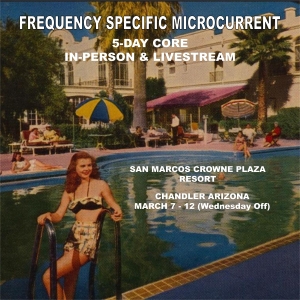 Chandler Arizona
2027 March FSM Core Arizona – In-person and Livestream
Mar 7 2027 - Mar 13 2027 -
$1,695.00 ADD TO CART This product has multiple variants. The options may be chosen on the product page
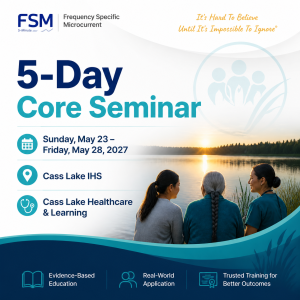 Cass Lake Minnesota
Protected: 2027 May Minnesota 5-Day Core
May 23 2027 - May 28 2027 -
$1,695.00 ADD TO CART This product has multiple variants. The options may be chosen on the product page
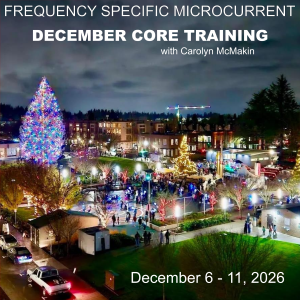 Troutdale, Oregon
December 2026 In-Person 5-Day FSM Core Training – Troutdale Oregon
Dec 6 2026 - Dec 11 2026 -
$1,695.00 ADD TO CART This product has multiple variants. The options may be chosen on the product page
 Online Course
5-Day FSM Online Course – India Only
-
$1,695.00 ADD TO CART This product has multiple variants. The options may be chosen on the product page
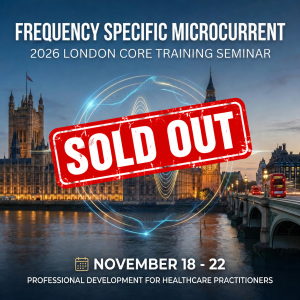 LONDON ENGLAND
2026 London FSM 5-Day Core
Nov 18 2026 - Nov 22 2026 -
$1,495.00 ADD TO CART This product has multiple variants. The options may be chosen on the product page
 Paris, France
2027 Paris France FSM Core
Sep 12 2027 - Sep 18 2027 -
$1,495.00 ADD TO CART This product has multiple variants. The options may be chosen on the product page
 Online Course
FSM Core Deutschsprachiger Online-Kurs – Deutsche Vertonung
-
$1,495.00 ADD TO CART This product has multiple variants. The options may be chosen on the product page
 Online Course
FSM Core Online Course – Multilingual Subtitles – 2023
Not ready to register yet?
Get the free practitioner guide How to Choose Your FSM Core Training: a side-by-side breakdown of the in-person seminar, the online course, and the livestream.
Get the free guide