- 00:00 Gratitude And Community
- 00:46 Podcast Intro And Hosts
- 01:15 Awards And Waves
- 02:49 Unpacking Teaching Stories
- 05:12 Advanced Energy Highlights
- 07:15 Speakers Turn Slides Into Stories
- 10:42 Treat The Person
- 11:56 Should Core Be Six Days
- 15:50 Next Year Plans And 80th
- 19:40 Core Treatment Breakthrough Case
- 22:57 Sports Advanced Movement Wins
- 26:56 Case Reports And Big Outcomes
- 30:03 Synchronicity And Publishing Papers
- 32:24 Case Study Revisions
- 32:36 Templates And Data Points
- 34:15 Generosity In Teaching
- 39:36 FSM Learning Curve
- 41:34 Mini Miracle Stories
- 43:51 Planning Extra Zoom
- 48:49 ACL Rehab Mindset
- 50:35 Meridians And Fascia Lines
- 57:04 Conference Highlights
- 58:54 Q And A Wrap Up
- 01:00:56 Closing And Disclaimer
Community and Energy
FSM practitioners have built a remarkable community, cherishing the shared energy and camaraderie during training sessions. This sense of community is pivotal to FSM education, fostering an environment where new ideas and methods flourish. The energy during these sessions is palpable, contributing positively to the learning experience.
Advanced Case Stories
Engagement with FSM offers real-world case stories that illustrate how FSM can make a substantial difference in patient outcomes. These stories reinforce FSM’s potential to address and manage challenging conditions by employing tailored frequencies and protocols. Listening to experienced practitioners present case studies provides medical students with practical insights into applying FSM techniques effectively.
Core Training Expansion
The training encompasses expanding core knowledge, particularly focusing on precise practices such as adjusting protocols to individual patient needs. This expansion allows practitioners to explore various pathways within FSM and encourages flexibility in treatment methods. Understanding the different ways patients respond to FSM, based on their unique backgrounds, helps tailor interventions to optimize patient outcomes.
Treatment Pathways and Protocols
In FSM, the focus is on treating the person holistically rather than merely addressing conditions. This involves using specific channels and frequencies to support physiological processes, effectively managing symptoms, and facilitating recovery. The training emphasizes using FSM as an adjunct to traditional treatments, integrating different modalities for comprehensive patient care.
Holistic and Individualized Patient Care
A critical aspect of FSM training lies in approaching patient care holistically. This means understanding the interconnectedness of bodily systems and addressing not just the immediate symptoms but also underlying causes. Techniques such as improving vagal function, enhancing cerebellar coordination, and integrating meridian balancing are discussed to provide students insights into FSM’s potential in personalized care.
Incorporating Advanced Scientific Concepts
The training encourages incorporating advanced scientific concepts into practice. Understanding the neurobiology behind FSM applications and the significance of frequencies, students learn how to navigate complex cases, applying FSM protocols effectively in real-time scenarios. These concepts are further enriched by learning through engaging stories and hands-on demonstrations.
Catalyst for Clinical Practice Evolution
FSM is not just a tool; it’s a catalyst for evolution in clinical practice. The sessions are infused with insights from seasoned practitioners about ongoing research and advancements in FSM. Students gain a broader perspective on how innovating clinical practices with FSM can drive better patient outcomes and how to incorporate these into their future medical practice.
Questions answered in this episode
Why might the FSM Core seminar become six days?
Dr. McMakin says she has added so much to the Core that students are 'brain dead' after three days and need time to process. She would like three days, a day off, then three more days, possibly ending with a visceral integration day, and asked listeners to send feedback; the staff worry people can't be away that long.
How did FSM help a patient with old abdominal adhesions who said she didn't know who she was afterward?
Dr. McMakin treated the abdominal adhesions and scarring in the vagus, and the patient stood differently and said she wasn't sure who she was. The next night she added machines for the sensory motor cortex and cerebellum, since the brain had never experienced the trunk in that posture without pain, and taught her to breathe with her ribs; afterward she looked like a different person.
How can FSM practitioners turn a case report into a published paper?
Dr. McMakin says once you've written a case report to present or to become certified, publishing is one more step: submit, revise and resubmit. Candace Elliot's step-by-step template helps, and a single patient seen six times gives six data points, which makes the statistics easy; Thad Mooney has offered to help with statistics.
Can a fast heart rate in Ehlers-Danlos be related to the vagus nerve?
Dr. McMakin describes an 18-year-old with Ehlers-Danlos who was worried about supraventricular tachycardia; she explains the patient's vagus wasn't working, so it couldn't lower her heart rate. Her pulse dropped from 83 to 67 in one visit, and her father noticed her pupils, a measure of vagal function, were constricting.
How are acupuncture meridians used in FSM?
Dr. McMakin credits Harry Van Gelder's saying that the job isn't done until the meridians are treated. She found that running the frequency to balance a meridian always makes it better, while vitality sometimes makes it worse; in a hip replacement patient whose muscles stayed tight, balancing the meridians that cross the hip made her whole body relax.
What makes the FSM Advanced community special?
Kim and Dr. McMakin describe the 2026 Advanced, with about 200 attendees, as a family reunion where practitioners from every hands-on profession share freely with no royalties or secrets. Dr. McMakin's view: 'the only way you get to keep anything is to give it away.'
Have a question for Dr. McMakin and Kim?
Send it in and it may be answered on a future episode.
203 – FSM Advanced Debrief: Community Energy, Case Stories, and Expanding Core Training
Kim Pittis: [00:00:00] your symbols of gratitude are little works of art
Dr. Carol: I’ve had as much or more comments about the energy at this year’s advanced, and I’m not sure it was just. That there were 200 people in the room instead of 97. I don’t think it was just the size.
Kim Pittis: Like what a community you guys have built and if there is any compliment that I cherish receiving, it is the community in which we’ve built.
Dr. Carol: But the fact of the matter is, the only way you get to keep anything is to give it away.
Kim Pittis: Then we turn the precision cares on and all of a sudden it’s I can do this. I’m like, yeah.
My dad said, if you’re the smartest person in the room, you’re in the wrong room. And man, was I ever in the right room?
Kevin: Thank you for subscribing to the Frequency Specific Microcurrent podcast. FSM is a breakthrough tool for medical practitioners who feel stuck with limited treatment options, especially for complex issues unresponsive to conventional care. FSM training is the best continuing education [00:01:00] course for medical practitioners.
Get our free introductory webinar at frequencyspecific.com/about or find FSM trained practitioners at frequencyspecific.com/find. Here’s Dr. Carol and Kim Pittis.
Dr. Carol: We got the silver memo.
Kim Pittis: I was just gonna say that. Oh geez. There’s
Dr. Carol: help that
Kim Pittis: I, we’ve never done silver before or gray, so that’s, we’ve done black and white, but
Dr. Carol: silver at the same time. What was it? Somebody had a word for it. It was like in the collective unconscious or universal consciousness, or somebody had a word.
Word for it. Okay. The bear’s there in the shots. We have to move the barrel over. We can get my book out of the way.
Kim Pittis: I might need to bring my little award closer first so people can see it. Oh, because [00:02:00] David Musnick and I were one second.
Dr. Carol: Oh yes. I
Kim Pittis: dunno if people can really see the
Dr. Carol: attention to detail.
Kim Pittis: Yes. This was very much appreciated, but your symbols of gratitude are little works of art and, Dr. Musnick and I were comparing ours, and they’re similar, but very different and very unique. And if everybody can see all the bubbles in here, it’s like a wave.
Dr. Carol: It’s a wave. Because look at what you start when you start teaching.
Kim Pittis: Yes.
Dr. Carol: You make waves like pebbles
Kim Pittis: in a pond, waves, and we have a, speaking of waves, we have a lot to dive. Like how that segue was
Dr. Carol: I think your favorite word is unpack.
Kim Pittis: It is unpack. And I don’t know a better, if somebody can think of a better word, I will gladly use it.
But I feel [00:03:00] like you package up these stories and these pearls of wisdom that my job is to take pieces and nuggets out of it so that we can digest it. Because I don’t know if you realize how. When you’re in the moment and you’re telling us the pathway of greatness you get to point A and B and C and I’m like whoa.
Wait, let’s talk about a B for a second. Yeah,
Dr. Carol: yeah. Wait, that leap there?
Kim Pittis: that seemed like such a natural jump for you. But and that’s the beautiful part of FSM is that there’s different pathways. And the more I teach, the more I realize people connect the dots in different ways based on their education and their mileage and their comfort level.
And we can all get to results in, in different ways. Sometimes we take the scenic route and sometimes we take the expressway and
Dr. Carol: [00:04:00] sometimes you hit a roadblock and you have to go back,
Kim Pittis: oh, the roadblocks. Those are real and we all get them.
Dr. Carol: And what’s interesting and possibly tragic depending on how you think about it, is the fact that we made the advanced four days and I got through instead of getting through everything, I doubled the amount of stuff at the beginning.
I didn’t even get to the miasms much like prostate, radiology, radiation damage and all the stuff that’s at the end. I didn’t get to the miasms. I’m not entirely sure I got to heavy metals and, but the case report that I did about what? What we ran [00:05:00] into in the core just three days, four days before
Kim Pittis: right,
Dr. Carol: was worth the 15 slides that it took to do it.
Kim Pittis: I think the stories that you tell are definitely worth the price of admission because people have the slides and they can read some of that information, but what I, what really was reaffirmed to me at this year’s advance be maybe because of the size and how many people in the energy, right?
Dr. Carol: I’ve had as much or more comments about the energy at this year’s advanced, and I’m not sure it was just. That there were 200 people in the room instead of 97. I don’t think it was just the size.
Kim Pittis: I would agree with you. The the energy that those 200 attendees brought with them were, that to me was the [00:06:00] palpable movement of the advanced.
It hits you as soon as you walked into the ballroom. In a good way. ’cause sometimes we go to conferences and there’s a lot of energy and it’s a bad it leave. You wanna get out, you wanna,
Dr. Carol: it’s just chaotic. This was. I I have no words. It was like a big family reunion where, your drunk uncle Ralph just isn’t there.
It’s it’s all the guys you I
Kim Pittis: was just gonna say, it’s we use a family reunion, but the family members that you could, that you pick, that you enjoy being with. And to me it almost at the end of, everything leaving and rushing and getting to the airport. ’cause we were worried about TSA and spring break and just needed to get on airplanes to get home.
Once I got through security, I was sitting there and I had this wave of sadness because it was over, it almost felt like the post wedding blues that you [00:07:00] get and you think, oh, okay, it’s over. And I didn’t even get to talk to that person as much as I wanted to. And I didn’t treat the person that I said I was gonna treat and I didn’t tape.
There was just a lot of, I was like, oh, it’s over.
Dr. Carol: Yeah.
Kim Pittis: Yeah. And it was
Dr. Carol: The slides that every, the cases that everybody presented.
It, you have the text, but you don’t have the story.
Kim Pittis: Right.
Dr. Carol: So Patrick Wood was the example of that. Patrick’s slides are very
Kim Pittis: intent rich.
Dr. Carol: That’s a good word.
Technical neuro geek.
Kim Pittis: Yeah.
Dr. Carol: And you like, I understood the words individually, but hang together. And it’s what? But then he reminded us that he’s an English major first. And then he did pre-med and then he did med school, right? So he took those [00:08:00] slides and he turned them into a story,
Kim Pittis: right?
Dr. Carol: So those of you that got it on video, listen to the audio and don’t just read the slides,
Kim Pittis: right?
Dr. Carol: Especially, everybody, Dr. Reynolds was the same way. You read his slides and it’s blah, blah, blah, blah, blah, blah, blah, right? But when he talked and then when you filled in the blanks before, during, and after, it was like, oh, this is magic.
Kim Pittis: I’ve really enjoyed presenting with him for a few different levels, to bring an, a quote unquote outsider into our family who has seen the effects of FSM, but maybe doesn’t know.
The steps or wasn’t able to come into the world. He respected me for what I did and the results that we get. But it was just really wonderful to bring him [00:09:00] again, like bringing somebody home to meet the family.
Dr. Carol: Yes, exactly.
Kim Pittis: Right.
Dr. Carol: And go
Kim Pittis: ahead. Yeah and just so he could see the amazing community that, and that was what he said he is.
Like what a community you guys have built and if there is any compliment that I cherish receiving, it is the community in which we’ve built. And
Dr. Carol: the other thing that is very special about him, and it was a private moment, but it was, so I cut my lecture short at 1215 so I could show the slide presentation that always has half the audience in tears.
Kim Pittis: Yes.
Dr. Carol: What I can’t teach you. And apparently he was in the room for that. Yes.
Kim Pittis: Yeah, we were sitting in the back.
Dr. Carol: Yeah. Yeah. And then we went to lunch.
Kim Pittis: Yep.
Dr. Carol: And then he comes up to do your presentation and before he gets on stage, he just [00:10:00] stands next to me and says, so you’re a philosopher and meta physician as well?
And I went, it takes one to know one.
Kim Pittis: Yeah. And what
Dr. Carol: he got that part which says something about him and the way that he thinks about what he sees on the table in front of him, that he understands it’s not just tissue. It’s a person.
Kim Pittis: Right.
Dr. Carol: And I’d say that’s the heart of our community.
Kim Pittis: Agreed.
Dr. Carol: Yeah. Yeah.
Kim Pittis: I think we’ve done such a great job of I think when you, when we talk about protocols and frequencies and how we think about treatment the nucleus of it all is we treat the person, not the condition. And [00:11:00] yes, we have to think of a B channel and an a channel.
But when we go back to this meniscus is attached to a human that needs their meniscus to be healed yesterday, in order to get a scholarship, go back to work. Like we, I think we. Because we see the frequencies as not just a template in which to press a button and leave the room. And to your point, your talk that you gave sun at the end of Sunday really encompasses that that journey that you go on with the patient.
And you can’t go on the journey with the patient if you just see a meniscus or you just see a labrum. I’m sorry. Yeah. I don’t think you can.
Dr. Carol: And yeah, exactly. And that’s part of why the advantage is so different. So in general. I’ve added so much to the core that [00:12:00] a lot of the slides that I took out of the advanced were okay.
We do that in the core. Oh, we do that and that in the core. So the core is five action packed, fun filled days. And we had a discussion in the office today about the events. The core needs to be six days. I just does. And then the staff I would say freaked out, except it takes a lot at this point to freak them out.
It, they said people can’t be gone that long. It’s like they lose the whole week anyway. So it’s still five days. I’m gonna keep pushing for it to be six days because they pay for it. And it is overwhelming. But one of the things we do now. What I wanted to do was three days a day off and another three days.
The end of three days, they’re brain dead. Their brain’s just [00:13:00] full. They need time to process, integrate, do whatever, study, whatever they’re inclined to do, and then they really need another three days. And that’s just physical medicine.
I’m the, I’d love to have that last day be a comprehensive, visceral integration of what we can teach, what we can treat in the visceral core.
And we’ll see if that ever happens. But if the people listening to this either live or on YouTube would send in emails saying, oh God, please not six days. Or duh, of course, six days. Gimme some help here because we have this. Yeah. The staff is concerned about people not wanting to take six days.
Kevin: Right.
Dr. Carol: And I have [00:14:00] this concern about not taking six days because the core is so deep. Now I start them off easy for the first two days and then it’s game over. It’s
Kim Pittis: right. Yeah.
Dr. Carol: So it’s I’m happy either way. It’d be nice to have you guys vote. Let me know. Am I right? I
Kim Pittis: love putting together surveys and voting things.
Dr. Carol: You know what, Kevin could send out a jot form. Kevin’s already over there nodding and probably the jot form
Kim Pittis: as we speak. Yes.
Dr. Carol: Yeah. Would you take a six day core if there’s a break in the middle Right. And the five day core is still gonna have a break in the middle. So you’re gonna be there six days instead of seven.
Kim Pittis: Right.
Dr. Carol: So Sunday through Saturday, fly home Sunday. So fly Saturday, fly Sunday. That makes [00:15:00] sense to me.
Kim Pittis: The thing is too, you love teaching and that, that comes across every time I see you teach live. So it’s a no brainer for you because you would teach every day. I think if you could.
Dr. Carol: And. What I enjoy is they love learning by day five. Literally we have to pitch them out of the room at quarter to eight and the seminar ended at six. Some people had to take flights at four or five, so they left early. But the rest of the class, they’re still there talking, treating, we’re taking the room down around them and they’re still treating it quarter to eight.
It’s seriously? Oh, by the way, next year it is gonna be a four day advance again, but I promise that we would somehow end it at three o’clock on [00:16:00] Sunday so people can get flights on that day and we don’t lose half the audience. Yeah, it’s just not fair. It’ll be fun.
Kim Pittis: We just have to talk fast. Oh,
Dr. Carol: Oh.
And next year my 80th birthday is this September. Virgos of the World Unite. And so next year I’ll be 80th the advanced. And usually we do a little banquet upstairs.
Somehow we will figure out a way to afford it. You might have to increase the price just a little bit to pay for the dinner, but I wanna do a birthday party.
I wanna have a banquet and ask the bakery for a gluten-free birthday cake for 300, 200 people. Sure.
Kim Pittis: Easy.
Dr. Carol: It’s whatever. Yeah. With strawberry filling.
Kim Pittis: If that doesn’t make the trip worthwhile, I’m not sure what else. Speakers, sneakers. We can,
Dr. Carol: [00:17:00] yeah.
Kim Pittis: But yeah. What, yeah, what a fantastic advanced it was.
And I’m sure next year we’ll be even bigger, especially if we get to celebrate your 80th birthday
Dr. Carol: and there’s banquet. ’cause usually it’s just the instructors and the faculty and the published papers and the certified people.
Kim Pittis: Right.
Dr. Carol: And this year people have their gold UN certified pins and everybody that went to the advance, I was really excited Kevin got silver advanced pins.
I saw so many people wearing ’em because it, it takes a lot for people to get there.
Kim Pittis: Yeah. Yeah.
Dr. Carol: And airplane tickets are gonna go up next year.
Kim Pittis: Yeah.
Dr. Carol: And the, so let’s
Kim Pittis: You know you’re going, you might as well just book it now.
Dr. Carol: And we know the dates.
Kim Pittis: We know the dates. So
Dr. Carol: sometime in it’s on the website already?
No, not yet. Kevin just got pale and
Speaker 4: we don’t have confirmed dates yet.
Dr. Carol: Yes, we do. I have contract.
Speaker 4: I need to see the contract signed and then I’ll put [00:18:00] on
Dr. Carol: Okay. Before he’ll put it on the website. I need to get to the contract and sign it. So that’s also on my list.
Kim Pittis: Yes. And it was very warm this year.
Like hot.
Dr. Carol: Yes.
Kim Pittis: Which is not normal for that time of year.
Dr. Carol: No.
Kim Pittis: So hopefully we get a little bit cooler, but yeah, all in all I’m still thinking of conversations and treating people and going through treatments and talking to them about in real time. The story that they gave me an hour ago, and then after an hour and a half.
Of completely shifting my approach because they started remembering or feeling comfortable telling about the story and they’re like, I can’t believe I didn’t tell you that initially. I can’t believe I didn’t think about this. And I said this is great. This is where the learning really happens.
Because now that person who was a very linear thinker is on the table and telling me about injuries that he totally forgot about or didn’t think were [00:19:00] relevant all these years later. And it was that story that helped unravel un unlayer the onion, if you will. So tho those were my, my happy moments was when you have somebody who feels smushed for the first time or experiences that floaty feeling for the first time
Dr. Carol: that happened this time at the chorus or the someplace, there was somebody that’s oh, that’s what they mean by dwarfed.
Kim Pittis: Yeah,
Dr. Carol: it’s,
Kim Pittis: yeah it’s amazing to watch
Dr. Carol: it in the core. There was a man who attended and asked if we could treat his wife because she had just a really traumatic incident when she was like five months, really small, maybe, no, sorry, five years. And she ended up with a lot of internal injuries [00:20:00] and scar tissue and abdominal adhesions.
So we treated the adhesions the first day, Scarring in the vagus as a beginning for working on abdominal adhesions because just the slightest pressure and you could feel the muscles bounce back. Vagus is a pain nerve and it’s all the way through a spider web and it’s pain nerve, so you, when it’s scarred.
So we did that and then, the regular abdominal adhesion protocol, she stood up and she said, oh, I can stand up differently. I’m not even sure who I am.
Kim Pittis: Right.
Dr. Carol: So that was one day and I said to him after the, I guess the next morning, I said, you have to have her come back tomorrow night. ’cause I didn’t treat her so as and I also didn’t treat her brain. So she’s got 24 hours to figure it out on her own, but. The fact of the matter is we can [00:21:00] help with, I don’t know who I am, by running increased secretions in the sensory motor cortex. ’cause her sensory motor cortex has never experienced her trunk wi in that posture and without that pain.
And the memory of it. So while I was treating the SOAs, couldn’t get at it from the front because the abdominal adhesions that I can’t get to in two days did the SOAs from the back for the first time ever. Then the bladder, then the kidney and the kidney fat pad. And we had one machine running on increasing secretions in the sensory motor cortex.
And then we had another machine that we added for increasing secretions and the cerebellum. And do were [00:22:00] you leaving? No. You weren’t there yet. We had to teach her to breathe with her ribs instead of her belly.
‘
Dr. Carol: Cause she couldn’t move her ribs and then sat her up and had her use her ribs, not her scalings.
And then teach her to balance and use her trunk. And then 6.8 and 38 and concussion in Vegas. All she had four machines on her at once. And at the end of it, I, what I had, the only thing I have is the picture we took at the end of the second night.
And the look on her is she was a whole different person.
And it’s that’s what makes the study and the depth and the way of thinking.
Kim Pittis: Yeah.
Dr. Carol: All.
Kim Pittis: And maybe that’s why I love doing the [00:23:00] sports, because we get to spend a whole half day doing that. And the sports advanced is 80% of the movement and the connection, and run this and move with it and stand eyes open, eyes closed on one foot, and to see the expression on their face of the, something is very hard.
And then we turn the precision cares on and all of a sudden it’s I can do this. I’m like, yeah. So it’s almost like the opposite of feeling smush because they’re feeling that connection, the strength, the recruitment, the safety. And for me, my goal is to have all of my patients and clients that I work with move confidently and safely.
And that is also my goal. How I wanna instruct people moving forward with FSM, using safety and efficacy in their treatments, but imparting that safety and confidence with movement to the people [00:24:00] that they work with. Because to me, that is the al the epitome of a holistic approach. And,
Dr. Carol: and we in the core, without any notice whatsoever, I took the whole central nervous system and moved it right behind the physical medicine section because we have the.
Ability to reconnect the who am I? Yeah. If I feel like this, who am I? If my shoulder moves like this, right? 81 and 92. Yeah. How do I move my shoulder like this?
Kim Pittis: Yeah.
Dr. Carol: 81 and 84, but I can’t move my shoulder like this ’cause it’s gonna hurt. So you do 40 and 89 first quiet, the being afraid to move it.
Kim Pittis: Yeah.
Dr. Carol: Then coordinate the movement and then the sensory motor cortex. I mean if [00:25:00] you what’s the word? When you turn it into. People, the sensory motor cortex says What? Who, wait, what shoulder? I haven’t, those muscles haven’t, they’re there now. Oh wait, so you introduce the sensory motor cortex and then you send it back through the cerebellum to coordinate the muscles that the sensory motor cortex now know are there,
Kim Pittis: right.
Dr. Carol: Yeah. And then Dr. Wood is the dopamine moves here and it goes there and we have no, this one talks to that one and that one goes to that one. And sure. Okay.
Kim Pittis: But, and again, like that’s the beauty of going to the advanced and having a hypothesis explain to you in scientific terms.
You’re like, oh, I knew this worked and now I. N know why, and I can see that connection. So that’s why it talks like, Dr. Wood and Dr. Reynolds with his orthobiologics, and I know he spoke fast and people [00:26:00] can slow him down when they watch it back. But, I think we are living in a world of injections and procedures and it’s we say it all the time, FSM is the best adjunct.
So let’s, I loved when he said, it’s time to rattle the cage. And I was just like, yeah. I feel like I’ve been rattling the cage with these orthopedic surgeons for so long.
Dr. Carol: And what was exciting was after, he stayed, he was, they, I guess he got there the day before, so he heard some of the case reports and some of the other lectures and.
When he saw the group, he said, I’m gonna make a video for you to use.
Kim Pittis: Yeah.
Dr. Carol: Just hand this video to your favorite orthopedic surgeon and tell him to watch it. Yeah. It’ll be short and they can listen maybe as fast as he can talk.
Kim Pittis: Right.
Dr. Carol: But I, when you think of the case [00:27:00] reports and the practitioner from France who had a patient who had never had a menstrual cycle, ever.
Right.
Kim Pittis: Right.
Dr. Carol: 16 years, right?
Kim Pittis: Yeah.
Dr. Carol: Late twenties, early thirties. And he treated the emotional component. He treated concussion in Vegas. He treated the pituitary, he treated whatever, and it’s just excessive stress. And he understood it because he is taken the court, God knows how many times he understood it.
And so she had a menstrual cycle for the first time in her life, and then two weeks, three, four weeks later when she should have had another menstrual cycle, she didn’t have a period and everybody was sad. Then two weeks later, she showed up and his last [00:28:00] slide was this little fetus. She was pregnant after her first menstrual.
What? Who how. Okay.
Kim Pittis: And what do
Dr. Carol: you say to that?
Kim Pittis: No, I, exactly. And where else are you gonna go to hear stories like that and everything in between? I’ve said this before and my dad said, if you’re the smartest person in the room, you’re in the wrong room. And man, was I ever in the right room?
Dr. Carol: Yeah. ‘
Kim Pittis: cause
Dr. Carol: you did what? Yeah, Eduardo with the Dora and Casu with the Yeah. The surgery didn’t happen because you’ve,
Kim Pittis: right.
Dr. Carol: It was just an ovarian cyst. It wasn’t that hard. Okay.
Kim Pittis: Yeah. I can’t remember what I said when I was presenting, but I felt very much like you. And thinking, how did I just say that?
It wasn’t that hard. Oh, I think it was actually with Dr. Reynolds. The very first patient that we had worked [00:29:00] when he was explaining the fasciotomy that he did laparoscopically, and I know we, we all make those faces because typically they do filet the calf. And and he released it.
That being said, it was still a procedure. And
Dr. Carol: oh, the part you loved was that he matched up the
Kim Pittis: tattoo.
Dr. Carol: The tattoo. Oh my gosh.
Kim Pittis: And my, it wasn’t just about the tattoo. It was to me what that symbolized if he cared that much. On the outside, I know that his attention to detail was on the inside where it mattered.
And so for me, that was, I was like, wow, who is this guy? And then I, when he’s I have to interject. I was like, oh no, you are not interjecting. I let you talk for 40 minutes just now. It’s my turn.
Dr. Carol: Did you really?
Kim Pittis: I want in my inside voice. Oh, okay. I was like, okay. But he had to interject by saying he had never seen somebody recover at that speed.
So he was like, who are you? So both of us were who? [00:30:00] Who are you? You’re like the unicorn. But that is how I believe the universe works, is like it the synchronicities, the the patients that come into your door find you for a reason. And that patient who is extremely challenging because of he wouldn’t stop and was always seeking the best, introduced me to one of the best.
And he was very gracious by saying, you, you were never bugging me. And I had to put that lady bug up there on my one slide.
Dr. Carol: Yeah.
Kim Pittis: He’s but you advocate for yourself and for your patients. And I think FSM practitioners do that because we have this tool that I think most of us are extremely passionate about.
And when you are passionate about what you do, it’s really hard to turn the volume down on us. So maybe that’s part of the energy that. This year’s advance that I noticed was the it’s our time to talk about things.
Dr. Carol: And there’s also a certain, [00:31:00] it sounds contradictory, but there’s also a certain humility that’s involved.
When you’re dealing with people like Eduardo, who is such a specialist
Kim Pittis: Yeah.
Dr. Carol: In his area and Gail and you and Ka and all of the practitioners that did case reports, published papers. It was really fun to give Candace Elliot that award for her part. We had four published papers last year.
Kim Pittis: Right.
Dr. Carol: And from what I can tell, we’ll have another five or six, four or five anyway. This coming year, because when you force somebody and I do, to write up a case report to either present or to become certified
Then it’s just take one more [00:32:00] step.
And writing it up for publication.
You’ve got Candace’s, step by step. You have my more intuitive, write a high school essay term paper approach.
And then submit it and they’ll say no. Yeah. And then you submit it, you fix it, you submit it again.
Kim Pittis: Yeah.
Dr. Carol: They say no.
Kim Pittis: Yeah.
Dr. Carol: You submit it again. And this time he says. Okay, just change this one part and we’ll take it.
Kim Pittis: Right.
Dr. Carol: Oh, okay.
Kim Pittis: Do you have that Candace’s template? Is that on the resources on the webpage? Because I feel like
Dr. Carol: that is Yeah.
Kim Pittis: Yeah. That it, it is a very helpful template to go through. And you had a template because I remember doing my case studies and I using your template some of us do need a bit of a plug and play, but if you do have decent chart notes it’s not hard [00:33:00] to fill in the steps and the blanks, so
Dr. Carol: And Thad’s illustrations about.
Collecting data. It’s if you have two points, the line looks like this,
Kim Pittis: right?
Dr. Carol: If you have six points, the line looks like this. And the statistics are easy on an end of one case, because everybody’s intimidated about, oh, I only had this one patient excuse me, that one patient was impossible, cannot be done, has to be published.
Yeah. So somebody has to know it’s possible,
Kim Pittis: right?
Dr. Carol: And that means you saw them six times and you have six data points and it looks like this,
Kim Pittis: right?
Dr. Carol: Then the statistics were easy, and then we have Thad money. Dr. Mooney Mountie, however you pronounce his last name, who said, yeah, I’ll those statistics and I’ll help you write the paper.
Excuse me.
Kim Pittis: Right.
Dr. Carol: Oh, [00:34:00] okay. I, it’s, we just have wonderful resources.
Kim Pittis: Yes.
Dr. Carol: And very talented people.
Kim Pittis: Yes. Willing and wanting to, like I said, help and talk and share. And again, the sharing the the quote that I closed my talk with, if you wanna be an instrument of change, you have to gather people, I think.
I think that really embodied, you know what we do? We gather people and it’s not a bunch of people talking about their proprietary way of doing something. It’s coming from a place of genuine generosity and wanting to make people better. I think of Dr. Musnick’s talk again. He speaks a mile a minute and he, you better good thing he doesn’t talk before 8:00 PM like he says, because he talks about some terrifying statistics and things that are happening.
But it’s coming from a place of just again that genuine generosity of [00:35:00] this is what I do and this is a supplement I like, and this is a testing I like. And there’s no royalties. There’s no sliminess about what any of us are promoting. It’s just what we’ve. Learned and along the way, and again, I’m very grateful to rock tape.
I’ve been using rock tape, for the past 10 years. I took taping 20 years ago. He was so generous to give all of our practitioners a code to get a discount on taping and taping courses. Again, it comes
Dr. Carol: classes.
Kim Pittis: Yeah. I have
Dr. Carol: no idea what you do with that stretchy tape.
Kim Pittis: And he does such a great job of teaching it.
So again we are all just in the arena of trying to get our patients and clients better, but to make each other better as practitioners. And that is a family I like to be a part of.
Dr. Carol: Yep. And for me, it’s part, I don’t know, I took judo when I was 12 for maybe 13 for two years. [00:36:00] And that got me into Oriental or Asian.
Philosophy, but there’s this quote, and I can’t remember if I heard then or much later someplace, but the fact of the matter is, the only way you get to keep anything is to give it away.
Kim Pittis: Yeah.
Dr. Carol: it’s a big secret. It’s you have to buy the gadget, but I won’t tell you what’s on it. No. That’s just not how karma works.
The only way you get to keep it is to give it away. So we have to charge for the courses ’cause we have to pay all the stuff.
Sure.
Dr. Carol: But. It’s, you get, certainly get what you pay for.
Kim Pittis: Agreed. I, at a fundamental level, I question the pre-programmed anythings out there because we are not the same energetic and cellular makeup today that I’m gonna be on [00:37:00] Friday. So part of the beauty of FSM, it’s challenging is changing frequencies, is changing programs is troubleshooting reaching, creating that journey that you go on with that patient together to make a program that is uniquely theirs is my favorite part of the day.
Dr. Carol: Yep. And how Erler Dan Low’s patient this week and she’s. 18, I think. And she came in and her dad is a surgeon. So he’s medically trained, retired, and she comes in with this whole host of diagnoses. First one of which they were concerned about was super ventricular tachycardia. And it’s n no.
She has earlier down though. So her VA doesn’t work so it can’t lower her heart rate. So she doesn’t actually has SVT. And he looked at me like I was from Mars,
Kevin: right?
Dr. Carol: And so her, [00:38:00] I always take the pulse at the beginning of the visit while she’s sitting down, resting was 83. And then when she walked out, he was in the waiting room.
And I said, by the way, her pulse is 67. And he looked like, whoa. And then the next day, her pulse was 73 when she came in and was 57 when she left. Wow. And he looked at, if you remember the Vegas case report slides from the Feinstein Institute. One of the measures of vagal function is pupillary constriction.
She had been told that she was on the spectrum because she was sensory sensitive. No, you’re not. Excuse me. Your pupils don’t constrict ’cause your VA doesn’t [00:39:00] work and your Vegas doesn’t work because you have Otherand and this is why. And after that first visit, she came in the second day and said, my dad looked at me at.
That night and said, your pupils are constricted. Yeah. It’s what we do. It’s just it’s not that hard. I just don’t, you feel weird saying that sometimes?
Kim Pittis: I said it for the first time on stage in front of 200 people a little bit. But that part like what we do in our little arenas, our little areas yeah.
It’s funny I think of the rollercoaster diagram that I have in a lot of the, like the FSM learning curve, right? Yeah. Because, when you first start taking it, you do start creating these mini miracles and you’re just like, on top of the world, you’re on that part of the learning curve, and then something literally figuratively throws you for that loop and you’re just like, I can’t do anything.
This is so difficult. And then you’re like, okay, what am I [00:40:00] learning here? And you start reconnecting the dots and thinking. Out here and having the family that you can text and email and say, I have this patient and I’m stuck. What’s another way I could look at this? Yeah. And being grateful for the connections and that, that is my favorite part of being at the advanced is the people that come up to you and you can go up to without shame and just say I, this isn’t my arena, and how could I think about this differently?
Or What would you do in this case? And just the conversations at lunchtime when you’re going in between the tables and in line at the Amazing Buffet. Piling my plate full of short ribs trying to,
Dr. Carol: and salad and veggies. And it’s, yeah the compliments about the food are just unending.
Kim Pittis: Right.
Dr. Carol: But that’s the other thing that’s so amazing about the FSM family is the hive mind that happens. [00:41:00] And I can’t think of any other meeting that you go to where there is literally every profession that has a license to touch people and a few
Kim Pittis: that don’t.
Dr. Carol: We have psychologists.
Kim Pittis: Yeah.
Dr. Carol: And that they don’t touch anybody.
You just get a magnetic converter and you put the pucks in their pocket. And you’re on concussion in Vegas while they’re talking.
Speaker 4: Yeah.
Dr. Carol: Oh. I had a story yesterday. We had a husband and wife bring in their severely autistic 4-year-old. Last year sometime they bought, he stayed the week they bought a CustomCare and a converter for him.
But at the end of the first day, and this is the first time I’ve heard this [00:42:00] story, was yesterday, at the end of the day they went home at the end of the first treatment. And this child has been nonverbal, has not said a word at age four, no words at all, ever. No eye contact ever. So at the end of the first day, first treatment, he looks he sit, sits at the kitchen table and looks his dad in the eyes and says, where’s my green truck?
The parents both went, excuse me, where’s my green truck?
Kim Pittis: Wow.
Dr. Carol: And it’s you don’t want any, it’s like you have these blocks and you don’t wanna move. And they [00:43:00] go it’s over there. Oh, there’s my green truck. Spoke in complete sentences. Started making eye contact the first day. Wow.
After the first treatment.
Kim Pittis: Wow.
Dr. Carol: And they, that’s a good phase. That’s what I did. It’s and this is, and then the dad, the only reason we got this story was the dad came in to be a patient in Sandra’s practice yesterday, and he told her the story. Can you imagine the stories we don’t hear
Where people think we don’t need to know?
Kim Pittis: That would be a big piece. I would like to know
Dr. Carol: it’s where’s my truck? Okay.
Is
Kim Pittis: that, so I don’t know if we have any questions. So there, there’s a couple here. There’s
Dr. Carol: no, there are, I got chat
Kim Pittis: q and a. So [00:44:00] Linda, hi. Linda asks, would you consider doing a special zoom meeting or a video to cover the remaining slides and stories for those of who just attended the advanced?
Dr. Carol: Oh, I’m pretty sure where I’ve finished.
Kim Pittis: Maybe we could do it in lieu of a. Podcast or do it on a separate day?
Dr. Carol: No, it’s gonna have to be separate. Separate, yeah. I’ll just do a Zoom and Kevin will record it, put it under practitioner resources or maybe whatever he wants to do with it. I have learned that life is much simpler if I don’t tell Kevin what to do.
Yeah. He just does it. Whatever he picks is always better.
Kim Pittis: But that’s a great idea to maybe just,
Dr. Carol: are you guys really ready for me to talk another four hours?
Kim Pittis: I really don’t think that’s a question. Of course they are. Okay. And yeah, I think maybe, I don’t think it’s four hours that you’re still needing to get through.
[00:45:00] Is it?
Dr. Carol: Oh yeah.
Kim Pittis: Oh, okay.
Dr. Carol: Sorry. But that’s,
Speaker 4: yeah. What slide number did you get to out of 500?
Dr. Carol: I don’t even remember. Okay. It was before mys and I am afraid it was even before heavy metals. And we can’t put heavy metals or mys in the core, and that’s the only reason they’re not there.
Kim Pittis: Right.
Dr. Carol: And then we I ended up getting to take out a number of slides that are now in the core,
Kim Pittis: right.
Dr. Carol: That didn’t use to be, so it’s, so the whole, I have the dopamine section in the wrong place and it needs to move down into the central nervous system section. So it, so how to treat Parkinson’s make sense and. So I know I’m pr I think we got to the nervous system. Pretty sure we did. Okay. Got to [00:46:00] that.
Yeah,
Kim Pittis: people are on the chat saying yes. Four hours. Yes, please.
Dr. Carol: Okay. I can’t find the q and a. Kevin, where’d it go? Sorry.
Kim Pittis: It did change a little bit. It must have updated, ’cause things looked different when I logged on today too.
Dr. Carol: So it’s not just I got the chat.
Speaker 4: No,
Kim Pittis: on the q and a.
Speaker 4: Three, three dots in the,
Dr. Carol: under the three dots.
Yep. And then q and a. Oh, there they are. Hi guys. Catherine
Kevin: got that on today.
Dr. Carol: Special zoom. Yeah, thank you Linda. I was thinking of mixing it live stream, live and streaming to cover it all. And let’s see. Yeah, no, we’ll just videotape it. There’s. I can’t even tell you every time I talk about adding anything.
Joseph, who’s the receptionist at the clinic, it’s really pale. I, it just, I’m gone so much this year. We just added, [00:47:00] so we’re going to Poland at the end of August, beginning of September. One of our practitioners just added a conference in Zurich with Dennis and Mary Ellen Chalmers and me and her at this conference for met a dentist.
And so that’s another week. Joseph, I need to be out of the clinic a week earlier Anyway. Okay.
Kim Pittis: It will all work. You’re
Dr. Carol: like It always does.
Kim Pittis: Yes.
Dr. Carol: Okay.
Kim Pittis: But yeah, that would be great to have a zoom to or webinar, however you wanna structure it to those of us who wanna hear the end of the story.
There’s all,
Dr. Carol: so we’re all here on Wednesdays, so some Wednesday when I’m not booked solid in the morning, we’ll just take the morning and start at 10 after I [00:48:00] wake up, get breakfast, coffee, and then we’ll just talk for four hours.
Speaker 4: Do an hour after the podcast. Yeah. So we get it done
Kim Pittis: right? ’cause you’re already sitting here.
Dr. Carol: Wait an hour after the
Speaker 4: podcast instead of doing it all at once, I’m saying break it up into hour.
Dr. Carol: You, once I get on a roll, you go ahead and try and stop me. That’s gonna be fun anyway, but we’ll work it out. We’ll figure it out. But thank you for asking it. It’s fun because the stories are part of how you figure, and then what I added on the energy centers and the acupuncture meridians, when you add that piece of it to put the frosting on the cake.
Kim Pittis: Totally. Yeah.
Dr. Carol: I
Kim Pittis: Isn’t that funny? I have that experience with a case that I used for ACL reconstruction, and I’d used the same video in so many different ways to [00:49:00] highlight different frequencies depending on. What I wanted to emphasize, and I found myself adding it with my talk with Dr.
Reynolds. You saw the video of the girl with the fully ruptured ACL doing deadlifts and some people are just like, no, that’s stupid. And Dr. Reynolds was like, no, that’s great. He’s I love that we, you don’t need an ACL to survive. And in that case, the knee was totally safe and we’re using FSM and exercise to mechanically hypertrophy a hamstring that was gonna be used in the graft.
And that was my idea with it. But what was the most important part was the piece that she got to keep moving while waiting for surgery and she got to do something productive. And yes, it was healthy to the tissue, but it was healthy to her mindset and her heart and her soul.
Dr. Carol: Yeah.
Kim Pittis: And the people in my sports course [00:50:00] were, they already knew the answer because, but I had horrified them days prior to that.
They’re like, what? And it’s just just so you know, like you, you have so much that you get to do with somebody, but as they’re waiting for a procedure, whatever that procedure is, and at the very minimum if you can help their vagus and help them sleep at night you’re doing more than most people out there.
Dr. Carol: Yeah.
Kim Pittis: And so the, I guess the emphasis on things begins to shift a little bit. And to your point with the acupuncture meridians, a lot of us know about meridians, a lot of us. Understand it, or at least accept the fact that they are there, but to now use them in a bit of a different way. And I tried it for the first time last week, and it was very interesting because, I’m studying a lot about fascial lines, right?
And it’s not just the fascial lines from anatomy trains, but [00:51:00] there’s a lot of fascia lines. Fassal lines are very similar to meridians. I hate to break it to the fascia line people. You didn’t reinvent the wheel here. These lines were in place hundreds of years ago, thousands of years ago. So to explore a little bit and try to think this looks almost like a fassal line.
I wonder, could this also be a meridian? And if it’s a meridian, can we change the frequency to respect that or, so again, it’s following the thought experiment and
Dr. Carol: well, and this whole thing started with Harry Van Gelder, Leif and I, Harry George told the story about this woman at camp that badly sprained her ankle and he did his thing and got the ankle stable.
And George said that, Harry [00:52:00] said, oh, it’s not finished until the meridians are. Stimulated.
Harry used this thing, it was a little bit like a cattle prod, but it was a little spark generator and it just provided energy to acupuncture meridians, and he would just run the meridians across the injured area.
And for me, because I’m not an acupuncturist, I don’t wanna put needles in somebody.
Kevin: Right.
Dr. Carol: I’m lucky. I have a copy of Felix Mann left. That is, it’s the easiest one to read. And the, what we found out last year, what I found out 23 years ago was that you could change the pulses by [00:53:00] running damp. So congested.
And the spleen in the kidney. And then that’s when I learned the phrase, the lung is the mother of the kidney. Who in the world thinks like that besides these two acupuncturists that were teaching me about these three meridians? And so when last year when we found out that the frequency to balance the meridians always works, you then have to decide by pulse diagnosis if they’re damp or tinny or, and what we did find out last year is that sometimes the meridian actually gets worse when you run vitality.
It always gets better when you run balance,
Kim Pittis: right.
Dr. Carol: Note to self. So it [00:54:00] was that to have that as an adjunct. And then like literally the next week after that core where that acupuncturist was there, and we used the frequency to balance the meridians, he was asking about the next week, the girl was there with the hip replacement.
That just left all the muscles tight. And I did the nerves and I did the scar tissue, and I did the torn broken, and I did the joint capsule and the bursa and the brain, and it still wasn’t right. And then I did balance the meridians, the four meridians that crossed the hip and her whole body just, you could see it, it was like watching a fish get filet.
She just went,
Kim Pittis: bam.
Dr. Carol: S just smush. And she said, [00:55:00] oh, that feels so good.
Kim Pittis: Leaf is talking about, he just said there’s a electro acupuncture device on eBay that he found, and he also Felix took a copy of Felix Mann’s charts or book. Nice.
Dr. Carol: Yeah. Electro acupuncture is acupuncture and it’s not for what’s the word?
it’s not for amateurs. Kids don’t do this without supervision, so Yeah. I wouldn’t, but if you have contacts in the area and you run balance the. Kidney and the whatever, meridians cross the hip. It works. It’s fascinating.
Kim Pittis: Yeah. It’s just another way of looking at biomechanics. And I think, again, a lot of us get caught up [00:56:00] on biomechanics and kinesiology and levers and fulcrums and tendons and and yes, that’s great.
And it’s there. However, there’s another way of looking and treating, oh,
Dr. Carol: John Sharkey’s lecture. This is not,
Kim Pittis: Speaking of John Sharkey he gave me this mug memories from there. Oh. He knows how much I love coffee and this mug is big, so thank you. Yeah.
Dr. Carol: And then what he brought me I think of John Chiari is the science and anatomy guy, and he brought me up.
Box with soy candles, each one of which had a different fragrance and a crystal. Yeah, crystal a stone,
Speaker 4: yes.
Dr. Carol: Associated with the seven chakras, and it’s who are you? And what did you do with John Turkey? It’s just wow.
Kim Pittis: Again the [00:57:00] generosity with his way of thinking and his time and his his brain.
Just a star studded cast, and very grateful that I can watch and rewatch all the talks all over again, because there’s a lot to unpack.
Dr. Carol: Yeah. Yes. Unpack iss a good word. I’d, I will be unpacking it for a year. Yes. I’ve already used what Eduardo taught and. Just there’s, and I know I’m leaving a whole bunch of people out.
David Murphy. We actually got David Murphy to slow down. I that’s not even possible. And then Jen Sosnowski talk at the end on sleep apnea was outstanding.
Kim Pittis: Yeah.
Dr. Carol: And then the FI, I don’t even remember the first day. It was just
Kim Pittis: No, I know
Dr. Carol: much. My break up full,
Kim Pittis: Juliana Mortenson again has such a gift of, oh my gosh.
But just her gift of explaining very [00:58:00] complex material and a way that you’re, you can understand. And I grabbed her at the end of her talk. We were in, in line to get coffee or tea, and I said, I just, I love hearing you talk. I love being able to explain these concepts to patients and without you.
Translation. I wouldn’t be able to. And she said, I just hate when smart people make for Unsmart conversations about things. And she was right. She has a gift though of breaking it down. So I love hearing her speak
Dr. Carol: well, and shes quotes from that let us know that this is material that goes back and knowledge that goes back with quotes and research and data.
Kim Pittis: Yeah.
Dr. Carol: That goes back a hundred years.
Kim Pittis: Yes. Yeah. Denise asked, what is the balance of meridian frequency?
Dr. Carol: It’s like it [00:59:00] 35 and 1 0 2 is what we use to balance the crown.
Kim Pittis: Yeah.
Dr. Carol: So you balance, you can balance the other meridians that’s in the advanced.
Kim Pittis: Yeah.
Dr. Carol: And then you use 35 on a and the frequency for the organ associated with that Meridian and Chiari channel B.
So this kidney, spleen, liver, gall, the gallbladder me, the, sorry, bladder meridian goes 1, 2, 3, 4, 4 places up the spine and down the back of the legs and it’s just yikes. And then there are four. I think four meridians across the hip.
And then I had another slide on the meridians across the shoulder.
Kim Pittis: Yeah, you did a great job. it’s in the advanced stuff, so
Dr. Carol: Yeah.
And
Kim Pittis: then so
Dr. Carol: bite the bullet. Yep. And by the advanced on video, it’s worth it.
Kim Pittis: Yep.
Dr. Carol: This, and then
Kim Pittis: Linda asked if John’s slides are available. Now, I’m not [01:00:00] sure that would be a Kevin question. And
Speaker 4: Kevin,
Dr. Carol: was it Linda wanted to know, or
Kim Pittis: John Sharkey.
Slides.
Dr. Carol: Slides. We never got John slides.
Speaker 4: Oh, for John Sharkey? Yeah. I don’t think he ever sent me anything. I did ask him, I did talk to him about it and he said he was gonna try and send me something, but he said since the cadaver cadavers were in the presentation, he can’t send it out.
Dr. Carol: Yeah. That’s the challenge with John because he showed there’s actually a law, at least in Ireland, that you can’t show cadavers
Kim Pittis: Right
Dr. Carol: on.
Video.
Kim Pittis: Right.
Dr. Carol: And I could ask Delma if she could delete those slides and send the rest.
Speaker 4: That’s what he said he was gonna do and then send it
Dr. Carol: to he’ll never get it done. He’s busy. Delma might be able to, so we’ll see if we can get his slides and yeah, so it is that
Kim Pittis: It’s after four and we’ll get to more of the q and [01:01:00] a our next time, but we needed this to debrief and unpack the amazing advance that we did.
So thank you to everybody who came and watched and participated and all the things. We had fun.
Dr. Carol: Yeah, we did. And we’ll see you next year for another
Kim Pittis: Yeah, another great advanced and a birthday party. Hello.
Dr. Carol: What’s not the like, it’ll be fun.
Kim Pittis: As long as you’re short ribs, I’ll be there.
Dr. Carol: Yep. We’ll see you next week.
Kim Pittis: We’ll
Dr. Carol: see
Kim Pittis: you guys next. Oh,
Dr. Carol: Wait. No, we won’t. I am. We might. I’m gonna be in Florida. We’ll get back to
Speaker 4: you.
Dr. Carol: Wait, I’m gonna be in Florida next week and in Washington, DC the week after that.
Kim Pittis: We’ll see what we can wrangle up. TBD. Stay tuned, everybody.
Dr. Carol: Stay tuned.
Kim Pittis: All right,
Dr. Carol: thanks.
Kim Pittis: See you.
Dr. Carol: Bye.
Kevin: The Frequency Specific Microcurrent podcast has been produced by Frequency Specific seminars for entertainment, educational, and information purposes only. The information and opinion provided in the podcast are not medical advice. Do not create any type of PO doctor patient relationship, and unless expressly stated, do not [01:02:00] reflect the opinions of its affiliates, subsidiaries, or sponsors, or the hosts, or any of the podcast guests or affiliated professional organizations.
No person should act or refrain from acting on the basis of the content provided in any podcast without first seeking appropriate medical advice and counseling. No information provided in any podcast should be used as a substitute for personalized medical advice and counseling FSS expressly disclaims any and all liability relating to any actions taken or not tasty taken based on or any contents of this podcast.
Links from this episode
- FSM Advanced seminars
- FSM Core seminars
- FSM Rehab & Sports courses with Kim Pittis
- Find an FSM practitioner
- About FSM & the free intro webinar
Books mentioned
- Felix Mann (acupuncture book)
-
$1,695.00 ADD TO CART This product has multiple variants. The options may be chosen on the product page
 Online Course
FSM Core 40-Hour On-Line Course 2025
-
$50.00 SIGN IN

FSM Core Course 2025 Physical Materials – Optional Add-On
-
$1,695.00 ADD TO CART This product has multiple variants. The options may be chosen on the product page
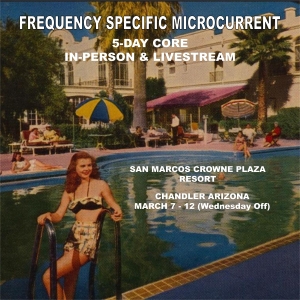 Chandler Arizona
2027 March FSM Core Arizona – In-person and Livestream
Mar 7 2027 - Mar 13 2027 -
$1,695.00 ADD TO CART This product has multiple variants. The options may be chosen on the product page
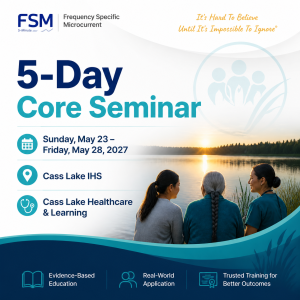 Cass Lake Minnesota
Protected: 2027 May Minnesota 5-Day Core
May 23 2027 - May 28 2027 -
$1,695.00 ADD TO CART This product has multiple variants. The options may be chosen on the product page
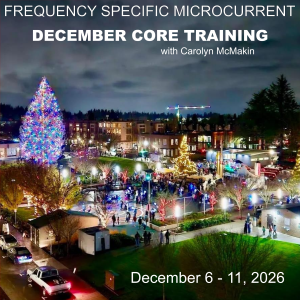 Troutdale, Oregon
December 2026 In-Person 5-Day FSM Core Training – Troutdale Oregon
Dec 6 2026 - Dec 11 2026 -
$1,695.00 ADD TO CART This product has multiple variants. The options may be chosen on the product page
 Online Course
5-Day FSM Online Course – India Only
-
$1,695.00 ADD TO CART This product has multiple variants. The options may be chosen on the product page
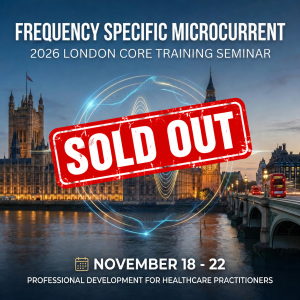 LONDON ENGLAND
2026 London FSM 5-Day Core
Nov 18 2026 - Nov 22 2026 -
$1,495.00 ADD TO CART This product has multiple variants. The options may be chosen on the product page
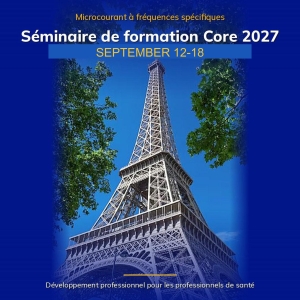 Paris, France
2027 Paris France FSM Core
Sep 12 2027 - Sep 18 2027 -
$1,495.00 ADD TO CART This product has multiple variants. The options may be chosen on the product page
 Online Course
FSM Core Deutschsprachiger Online-Kurs – Deutsche Vertonung
-
$1,495.00 ADD TO CART This product has multiple variants. The options may be chosen on the product page
 Online Course
FSM Core Online Course – Multilingual Subtitles – 2023
Not ready to register yet?
Get the free practitioner guide How to Choose Your FSM Core Training: a side-by-side breakdown of the in-person seminar, the online course, and the livestream.
Get the free guide